


Hey, fam!
So, this couple planted 3 million trees on an abandoned farm to rebirth a forest. And it’s as badass as it sounds.
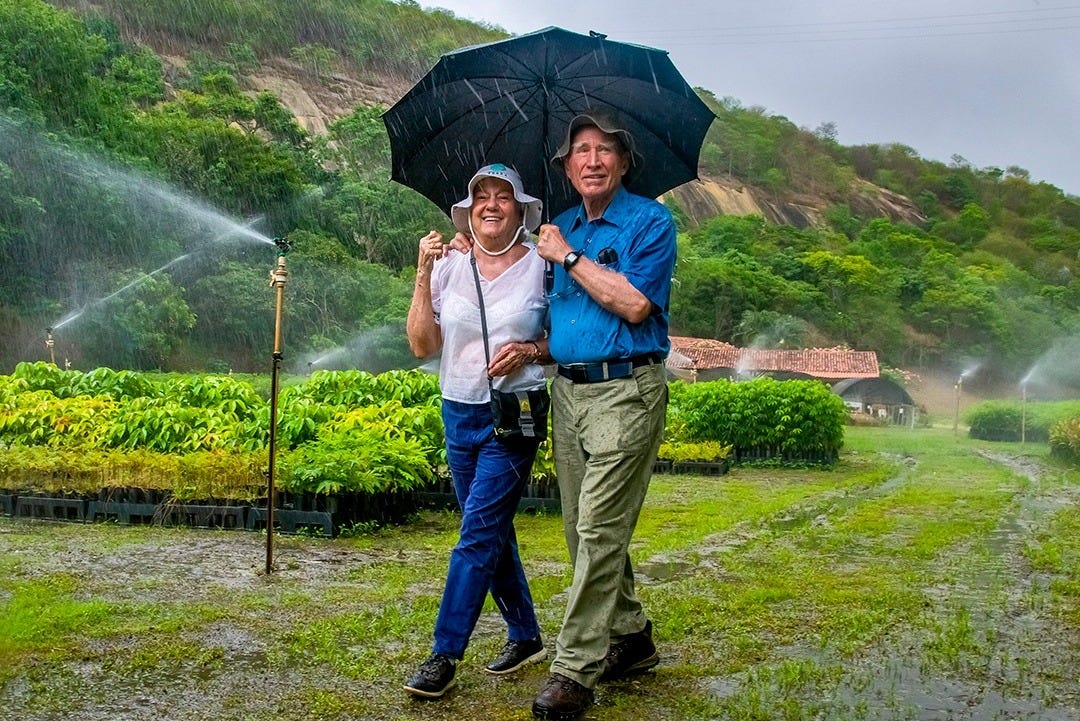
Sebastião Salgado was an award-winning photographer and journalist, and after documenting the atrocities in Rwanda in 1994, he returned home to Brazil to take over his family’s land. But the tropical forest paradise he grew up on had been cut down and destroyed for a cattle ranch.
Devastated, he didn’t know what to do until his wife Lélia suggested they replant the forest.
So they decided to try; with the help of a forestry engineer alongside hundreds of friends, neighbors, and students they planted 10,000 trees in the first year, seeing the return of insects, birds, and fish.
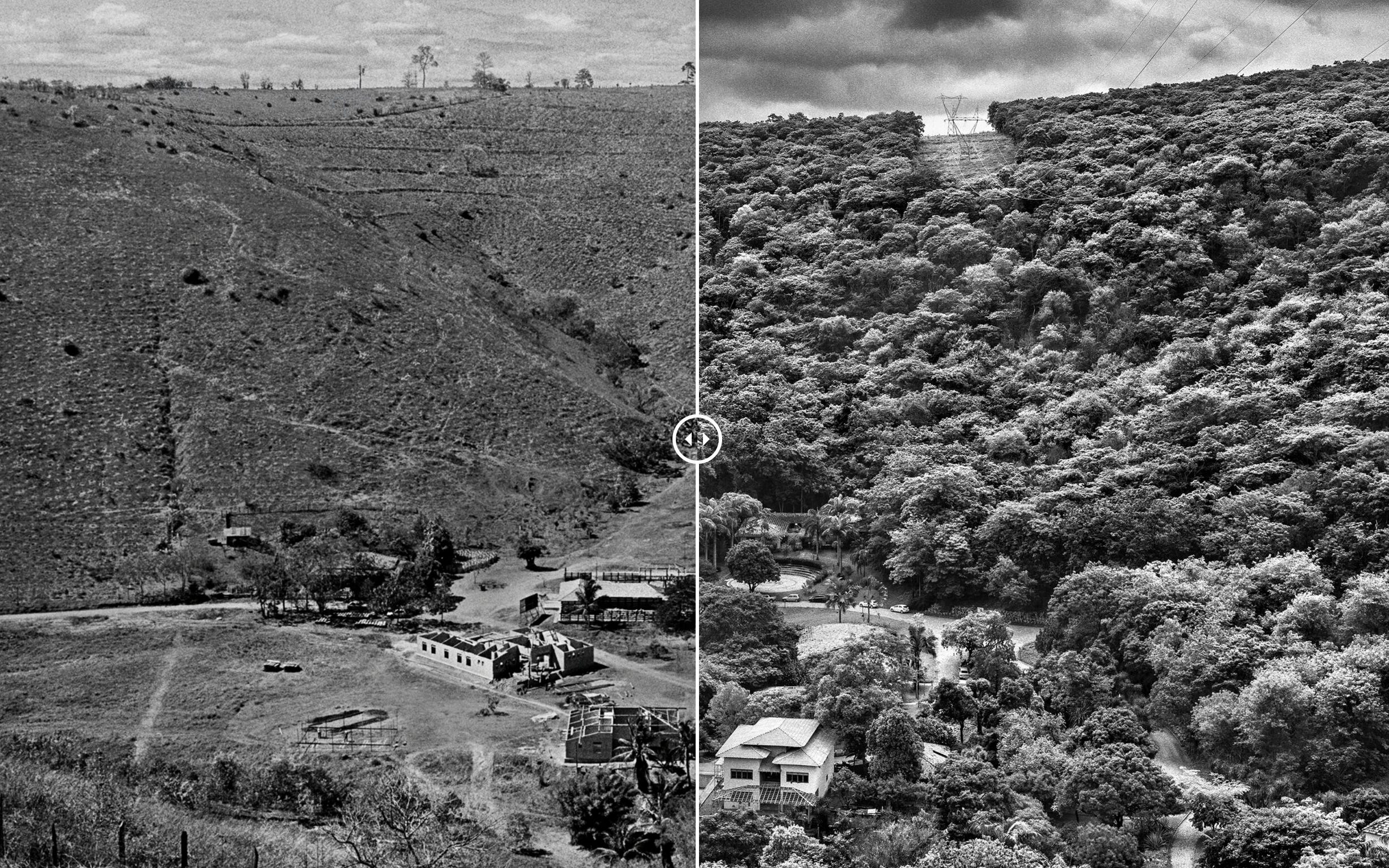
They made many mistakes over the next few decades like planting trees too close together, while seedlings died in the degraded soil, and they battled money issues. Yet they overcome them all to continue their rewilding mission through their organization Instituto Terra, opening a native seedling nursery, starting an educational center, and successfully turning the property into a thriving nature preserve.
And while Sebastião sadly passed away last year, he leaves behind a reforested stretch of land that’s helped millions of animals and plants, plus a legendary legacy of literally leaving the Earth better than he found it while inspiring countless people along the way.
What if everyone with degraded land followed their epic lead?
Underrated stories of progress
This River Cowboy is herding away littered tires
When Russ Miller man saw a tire stuck in his local river, he knew it would stay there forever unless someone did something about it, so he hatched a plan.
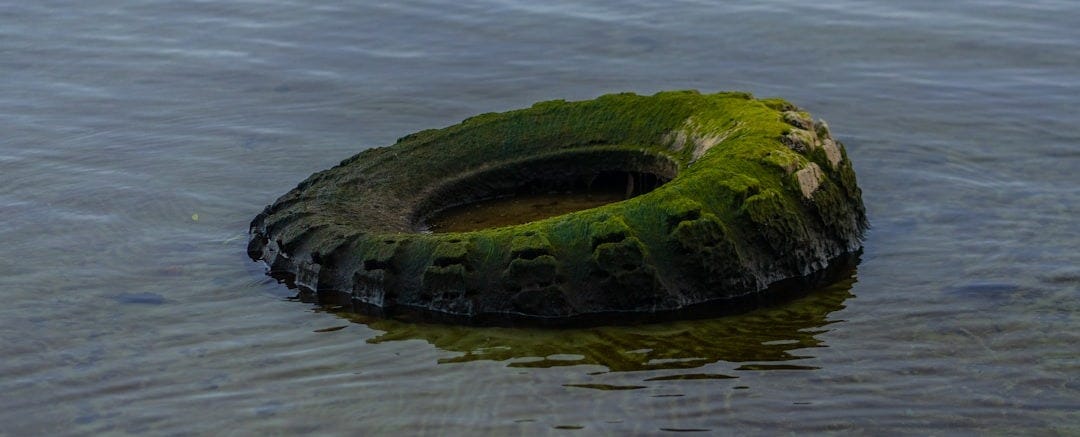
He got his friends to go in and help him gather hundreds of tires, but since they didn’t have enough boats, he stuffed empty milk jugs inside to help them float. He then herded the tires off to be properly disposed of, earning the nickname River Cowboy.
And decades later, he’s still paddling through all types of rivers through Kentucky while pulling out almost 4,000 tires so far, inspiring others to join cleanups, and spreading awareness of the little-known tire waste issue where an astonishing 3 billion tires are made each year while 800 million become waste.

While legal disposal is difficult, costly, or nonexistent in some areas, figuring out what to do with them next is even harder, meaning millions get illegally dumped.
But thankfully, some states like Connecticut have a new extended producer responsibility law, making the manufacturer pay and collect tires (and other things like mattresses and batteries), while environmentally friendly designs or reuse solutions get incentivized.
Which to me seems like the natural standard every product should have, because if you make and sell something, shouldn’t you also think about what happens after it’s used?
She’s turning war rubble into building materials
When a Ukrainian woman saw landfills overflowing with war debris, she wondered if it could help rebuild people’s homes.
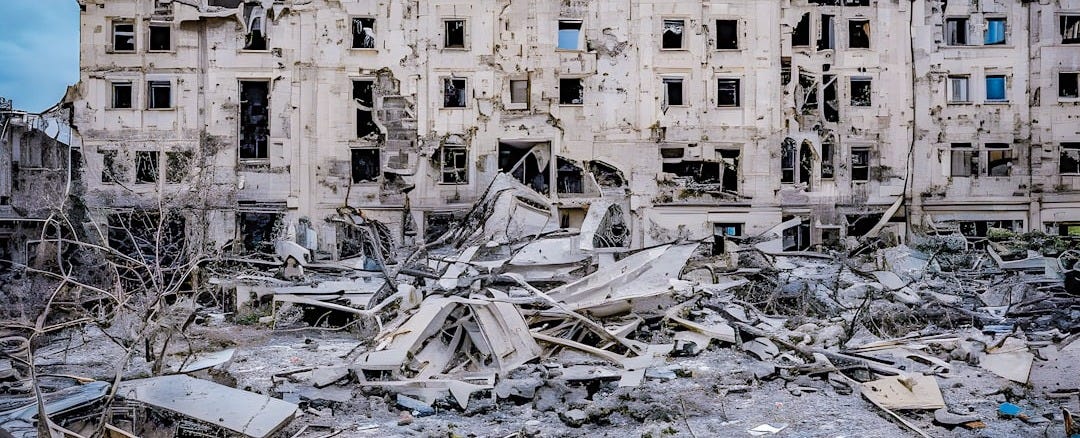
Her name’s Anna Prokayeva and she was living in Kharkiv when people were looking for reconstruction materials to start rebuilding their homes and lives.
And with over 1.5 billion tons of war debris generated from Russian bombings, she launched an initiative with her organization Zero Waste Kharkiv where local volunteers sorted through huge piles or rubble where their village hall used to stand, searching for usable building materials.
This group of seven people over the age of 50 worked every weekday for a month, sorting and transporting the remains into what they called a “circular construction yard”.
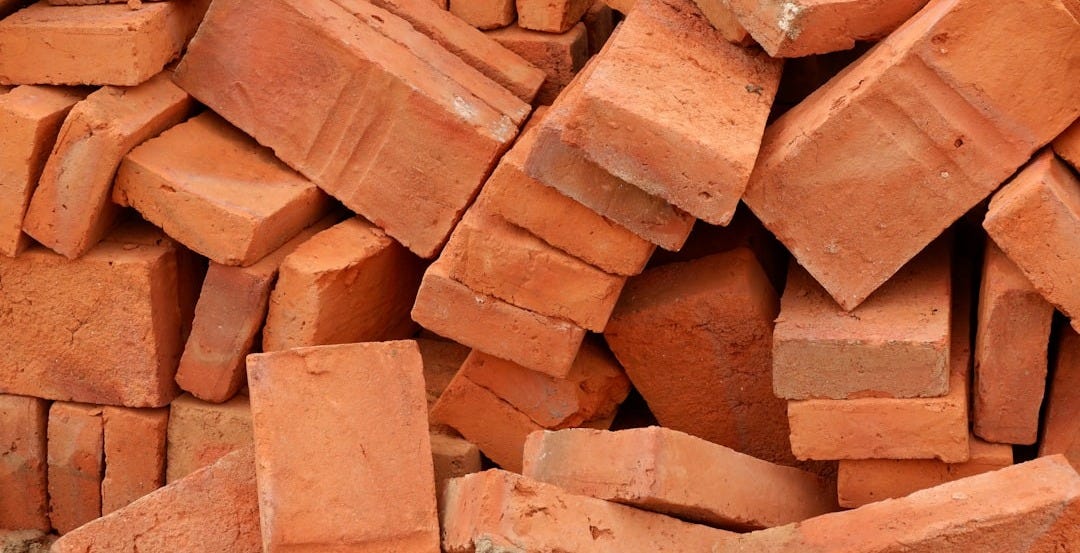
Anna even had her bring her two year old son when daycare was closed, but that didn’t stop her from giving 13,000 recovered bricks to local residents, filling potholes and craters, creating insulation for walls, and repurposing all the war wreckage they can find, sending nothing to landfills or incinerators.
And while these brave people are turning rubble into homes, maybe cities around the world should rethink their waste and join in the push towards a circular system without landfills?
+ What else is going right?
🥘 They published a cookbook of ancestral Indigenous recipes. (Noor Mahtani|El Pais)
🏔️ A man just became the first double-amputee to climb the highest peak on all 7 continents, to boost disability awareness and inspire others to conquer their metaphorical mountains, with 46-year-old veteran Hari Budha Magar finishing with Antarctica’s Mount Vinson. (Good News Network)
🥬 The tallest vertical farm in the world just opened in Singapore, which operates in a made-to-order model with retailers to avoid waste, has a redesigned lighting system using 30% less energy, and automatically detects crops issues to grow several types of lettuce on far less land than traditional farming. (Shabana Begum|Straits Times)
🚫 The UK banned junk food ads on TV before 9pm and completely online (with exceptions), to combat childhood obesity, which is hopefully the beginning of a trend of banning all harmful, misleading, and immoral ads like fossil fuels or vaping ones. (Mark Sweney|The Guardian)
🧶 torrintaigh from our community started crocheting blankets for the homeless and foster care children.
This newsletter was written by Jacob Simon. Over 1 million people are in our community across Instagram, TikTok, and YouTube. You can say hi on LinkedIn, or by hitting reply. Brand illustration by Andrea Miralles. Thanks for helping spread some positivity, and see you next week for more.
Sebastião has Leila to keep his work alive for the present. And their 'land' trust will continue the same.
But for those of us with small parcels and no one to continue our same works in urban areas, all that carbon storage we've shrived to sink into the ground gets torn up.
But the legal packaging for individual foundations and trust are expensive. I'm looking for a way to keep our small Meso American food forest maintained into our dotage and afterwards.