


After three weeks of travel around the world for work, immediately followed by the loss of a family member, I’m especially aware of how much of a roller coaster ride life is right now. But putting together this breath of fresh air every week gives me a lot of purpose, and hearing how many of you benefit from it makes me even more motivated to continue.
We have a lot of new people in The Hopemakers fam this week, so if that’s you: welcome!
The number one question I get asked by people is how I find all the good news that I report.
I wish I had some top secret tool that makes it easy. If I did, I’d share it! But the reality is I spend most of my morning every day searching for stories that I think deserve more attention. I comb through countless newsletters, publications, journalists, social media sites, messages, etc. to find what’s going right in the world. And then do a lot of fact checking, researching, and writing. But I pay special attention to the stories that are great despite not being reported or talked about very much.
This week, I’m framing them as “underrated stories”. Which is exactly what they are to me, and I hope to you too.
Enjoy!
7. Humpback whales bounce back big time
In Eastern Australia, the commercial whaling industry had brought humpback whales to the brink of extinction with an estimated 150 left.
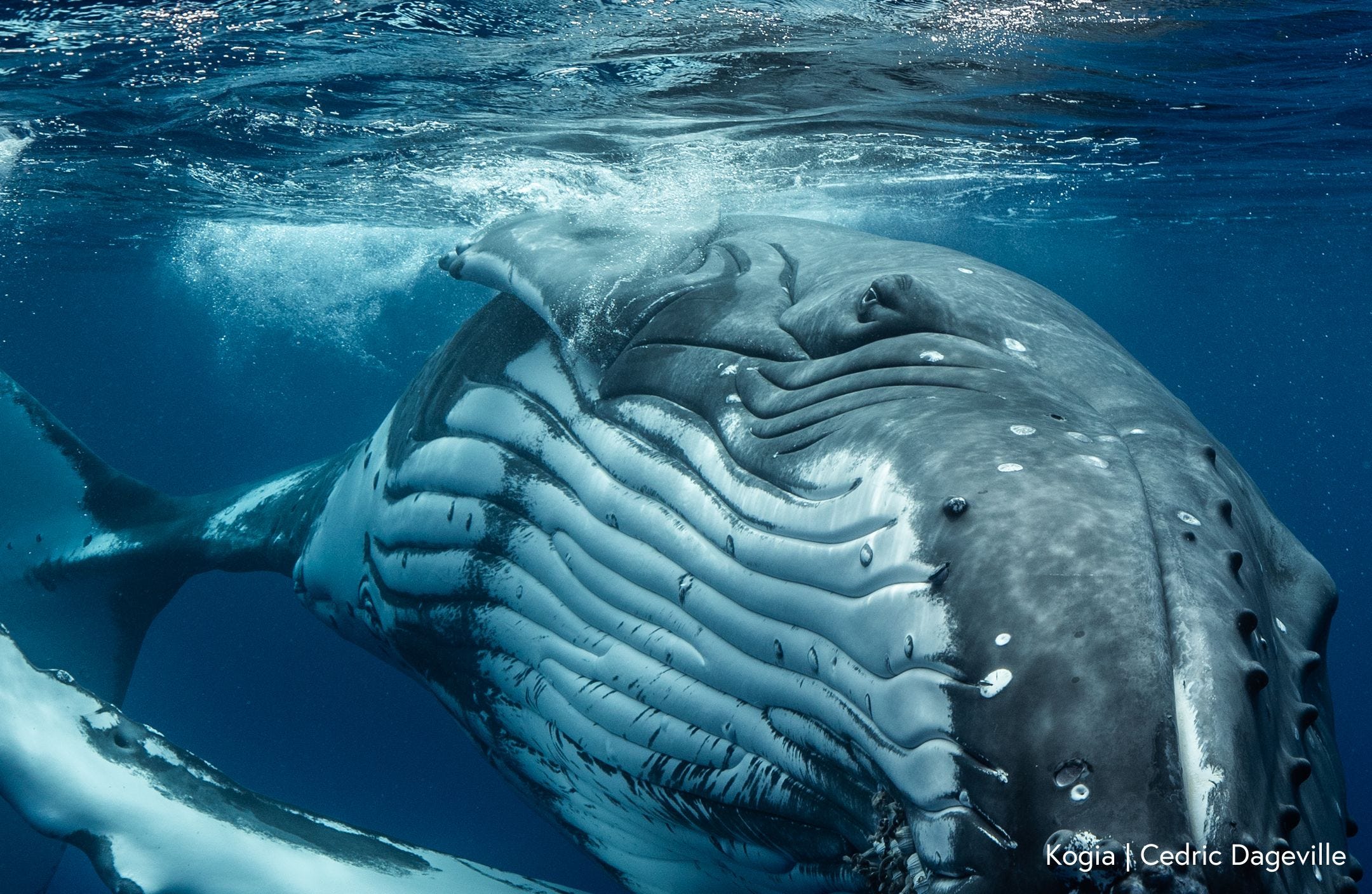
Yet in the 50 or so years since then, their population has returned so strongly that the current estimates for their numbers are about 20,000 more than pre-whaling levels! This updated number is made possible from both researcher observations, and community scientists submitting pictures of whale tails (each whale has unique flukes that make them identifiable) on apps like Happy Whale. (Belinda Smith|ABC)
6. Local community saves their sacred caves
When a company was trying to bulldoze sacred caves in Kenya for cement productions, local communities like the Chonyi brought them to court to prevent it.
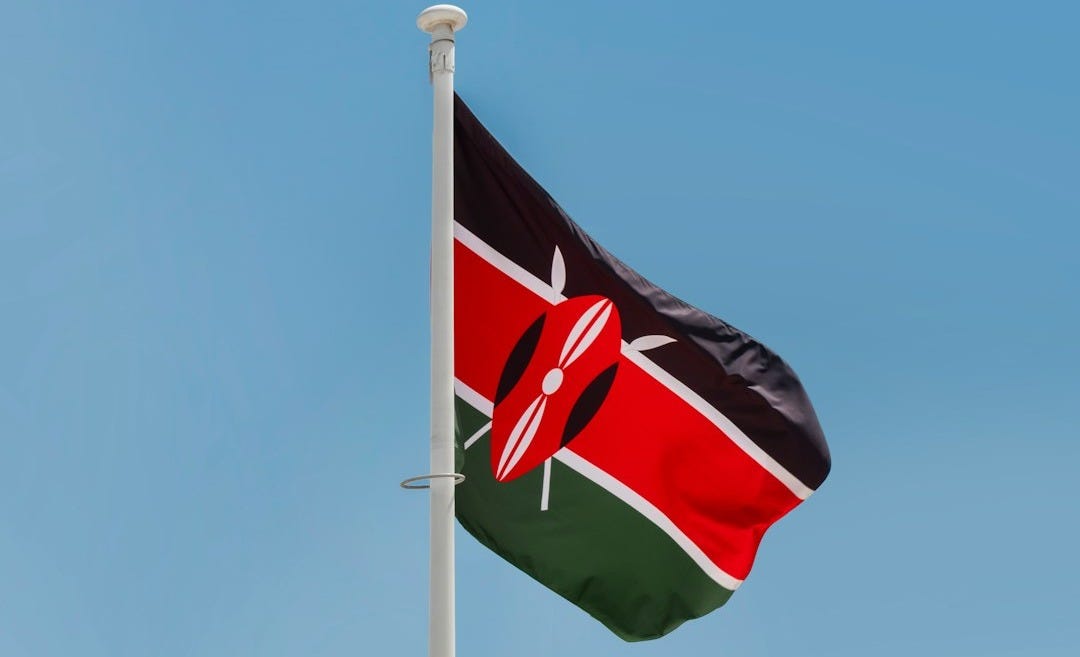
After years of shady practices like coercion and threats to encourage people to sell their land, the court finally ruled that the community was not properly consulted and the land’s significance not considered, signaling that locals can’t be ignored any longer. (Sarah Hurtes & Mohamed Ahmed|NYT)
5. 40,000 peanut allergies prevented
Peanut allergies are some of the most common and severe food allergies. Which sucks, since peanut butter is so tasty (don’t fight me on this one).

But a new study found that tens of thousands of children that would have likely developed peanut allergies actually haven’t. Guidance from about a decade ago that recommends feeding infants small amounts of allergens like peanuts was first received with hesitation, but the evidence shows it’s working. In the simplest terms, this early exposure to potential allergens helps prevent harmful and severe reactions. (Jonel Aleccia|AP)
4. A vending machine with only local books
Writing a book is no easy feat, and even if you manage to pull it off, you have to compete with the big publishers for shelf space and publicity. But there are so many smaller books that deserve people’s attention.
That’s why Lauren Woods created the LitBox, a vending machine that’s completely filled with books written by local Washington DC authors. Each story is local and meaningful, thus uplifting smaller publishers and helping to combat recent funding cuts for the arts. (Brittney Melton|NPR)
3. Discovering the 1,500th bat species
Did you know that bats are the only true flying mammals? They make up about 20% of all mammal species, and now there’s now even more than we knew.

A student named Laura Torrent has officially discovered the 1,500th known bat species called Pipistrellus etula, which is a tiny insect-eating bat found on an island volcano in Equatorial Guinea. Scientists are now determined to implement conservation measures to protect its habitat. (Bat Conservation International)
2. A new “search engine for life”
This one’s a bit more technical, but basically, there’s an astronomical amount of data on DNA, RNA, and protein sequences across species and studies. But before now, it was hard to sort through it all.

Enter a huge new “search engine for life” called MetaGraph. with more entries than all the webpages in Google’s indexes. It was made by a team of biologists to create new connections and enable new discoveries by democratizing access to terabytes of open information, sharing unprecedented amounts of data. Keep an eye out on this story, there could be much more to come from it! (Elie Dolgin|Nature, Scientific American)
1. Our community took action
🛞 LauraHarms turned old tires on their property into planters with their grandchild.
🌷 keeskeef_ is working with their city’s conservation commission to replace invasive plants with native pollinator gardens.
🌿 I (Jacob) planted some basil on my window sill a few months ago that’s really started to explode with growth, meaning some homemade pesto is in my near future.
… How are you making the planet better this week?
+ Bonus stories worth reading
🦜 After being runner up three years in a row, the tawny frogmouth was finally was crowned Australia’s bird of the year.
🍄🟫 This wild mushroom played the drums. Trust me, it’s worth a watch.
👞 We have lab grown meat, fish, and now… leather?
The newsletter was written by Jacob Simon. Over 1 million people are in our community across Instagram, TikTok, and YouTube. You can say hi on LinkedIn, or by emailing jacob@jacobsimonsays.com. Brand illustration by Andrea Miralles.
Thanks for helping spread some positivity, and see you next week for more!
I'm sorry for your loss and grateful for you hard work and desire to be uplifting. It is very helpful for me to read your compilation of "Good Things"!
My science club (high school) is planting microgreens for the community!