


Hey fam,
This week I learned about a man who turned rotting fruit into a flourishing smoothie business that empowers thousands of young people in his community. And we’re diving into it in this special edition of The Hopemakers newsletter!
This piece will look a little more in-depth than usual (let me know if you like these longer stories!). I met today’s featured Hopemaker through an organization called RIVET, and we decided to partner up to co-create this article. They’re an inspiring organization with a goal to initiate the largest investment in youth-led social change ever. They support young innovators who are tackling our biggest problems, and they write their own newsletter on Substack called RIVETED, which shares stories of young people who are changing what we think is possible, shines a light on next-gen innovators, and builds support for their bold ideas.
Check them out if that’s interesting to you, and enjoy this impressive story of a young man coming up with an awesome waste solution, making it successful, and seeing what comes next.
So much food waste
Mark Memga, who is now 29 years old, grew up in a rural area of Nigeria where most of the community makes a living by farming delicious and nourishing crops. Yet over time he started to notice huge quantities of their food were rotting away.
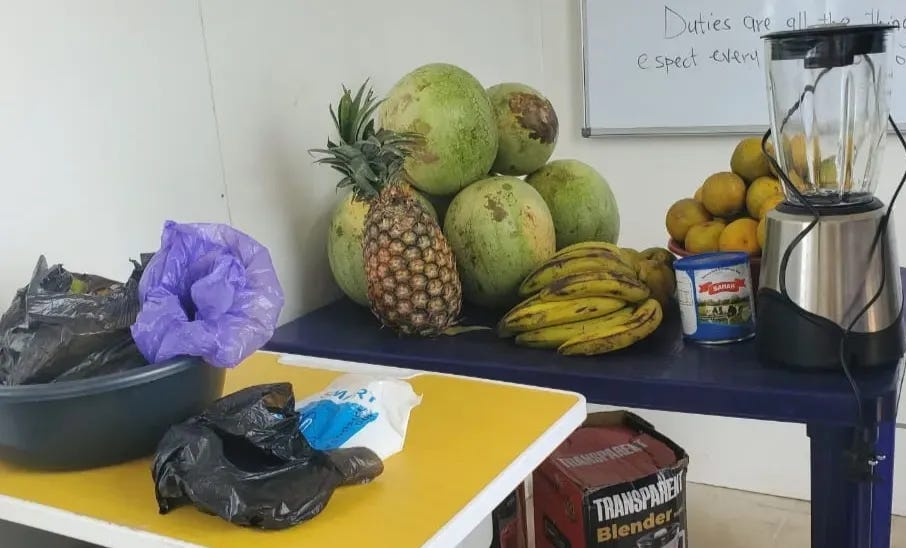
This was particularly apparent with mouthwatering yet short-lived fruits. With a lack of storage and inadequate food processing facilities, fragile fruits would often spoil before they even reached the market. Over 40% of produce gets lost post-harvest, which not only wastes all of that work that went into growing these foods, but also leaves more people to go hungry.
So Mark began to wonder if there was a way to transform fruits that were literally wasting away into something useful and valuable. Perhaps he could even team up with some of the many young people in the area that lacked opportunities to better their circumstances, to help both the community and the planet together…
Finding the right idea
His first big idea was to start a factory that produced fruit juice. He would gather all of the fruit in his community, squeeze out the juice in large quantities, and supply the juices to neighboring states. But without enough funds to enact such a big operation, he kept brainstorming.
Next came an idea for an DIY-focused app that educated young people on recycling and other sustainable practices. He also wanted to let people post their own ideas to improve the system, and the best submissions each month would get a nice prize. As he started to develop this, he also explored a recommendation component that offered ideas and advice to improve nutrition.
But based on feedback from his community on their needs and experiences, none of these ideas were quite right for the moment.
That changed when he struck gold with his idea for Smoothie Arena Hub.
The answer: Smoothie Arena Hub
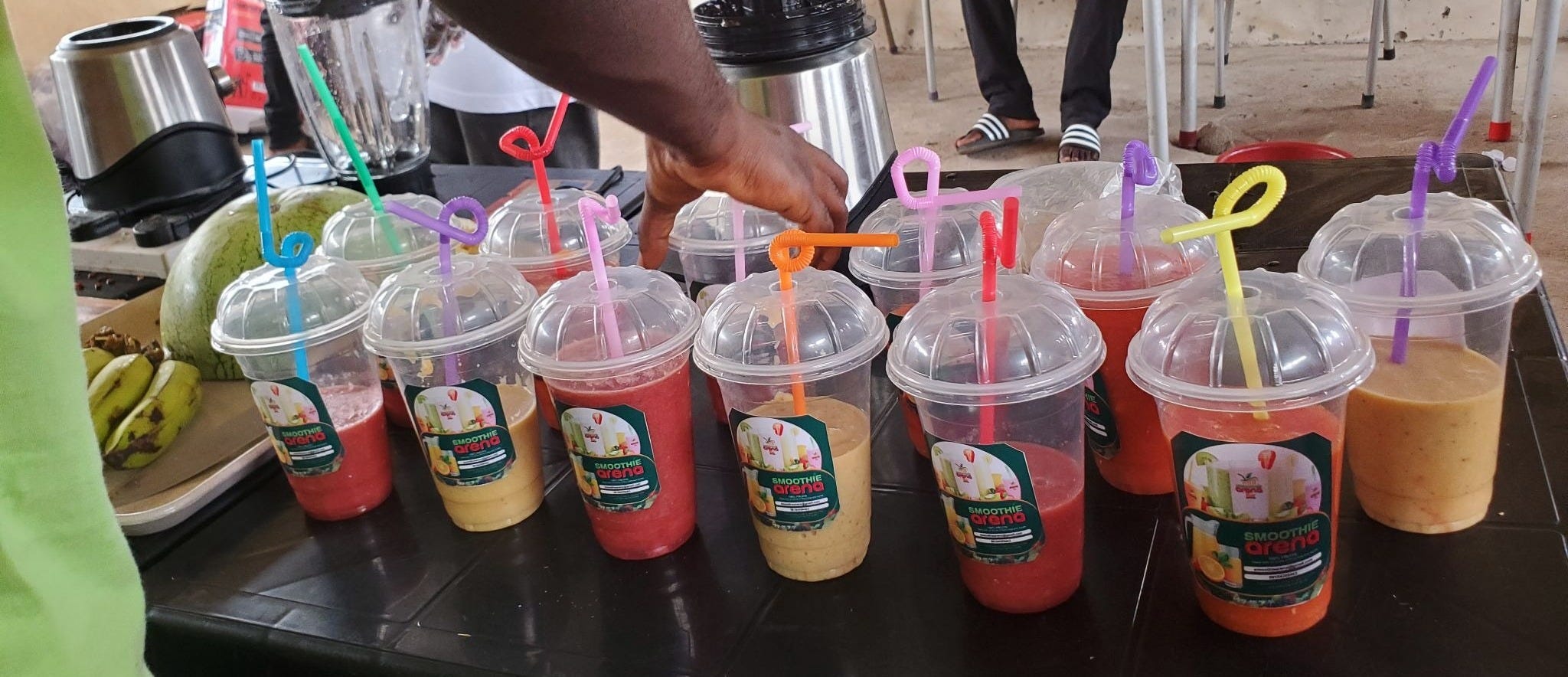
If you’re sitting at home with some fruits that are about to spoil, what do you do to avoid throwing them away? Maybe you can store them in the freezer until you’re ready to eat them, bake some banana bread… or throw it all into a blender and create a smoothie.
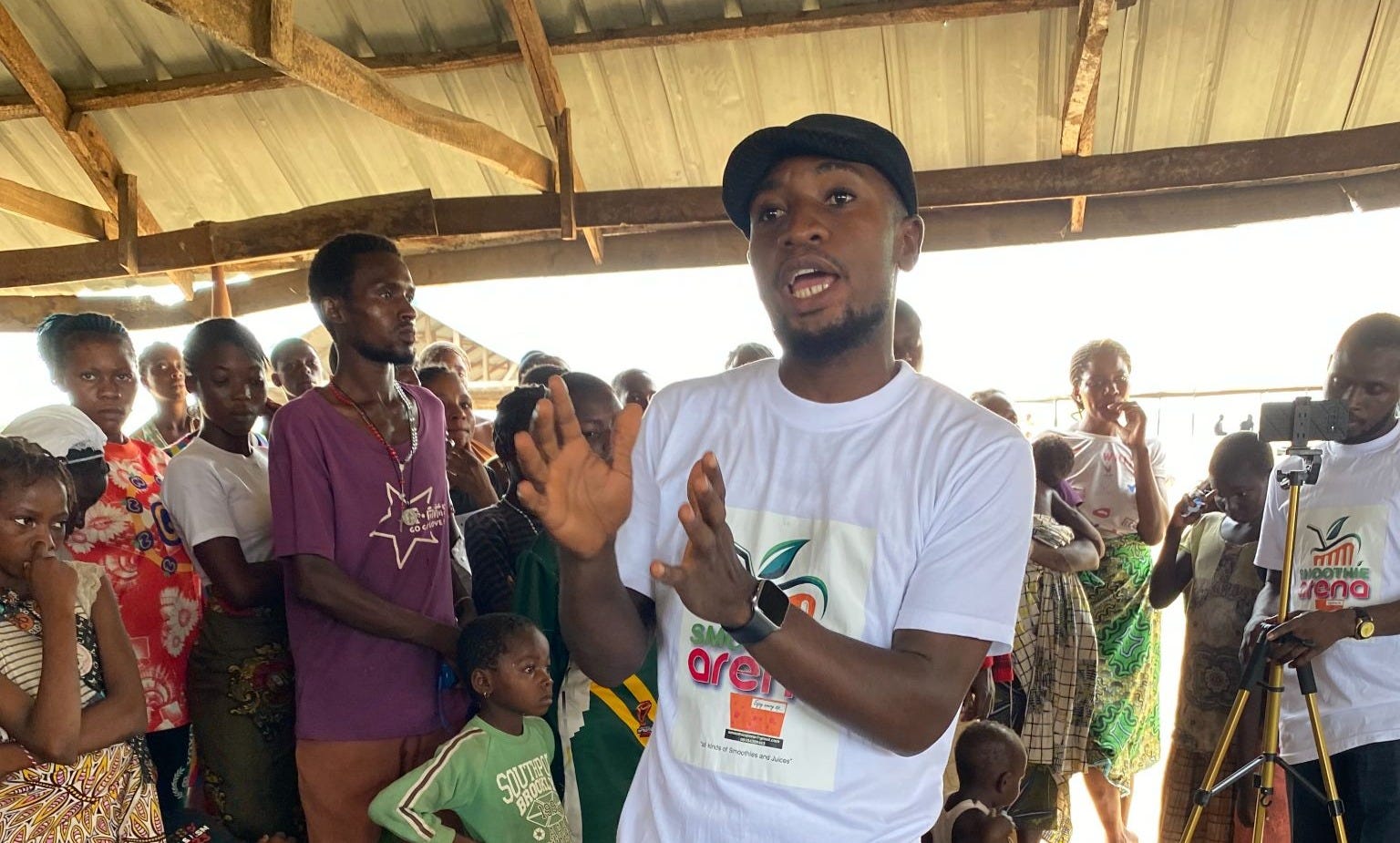
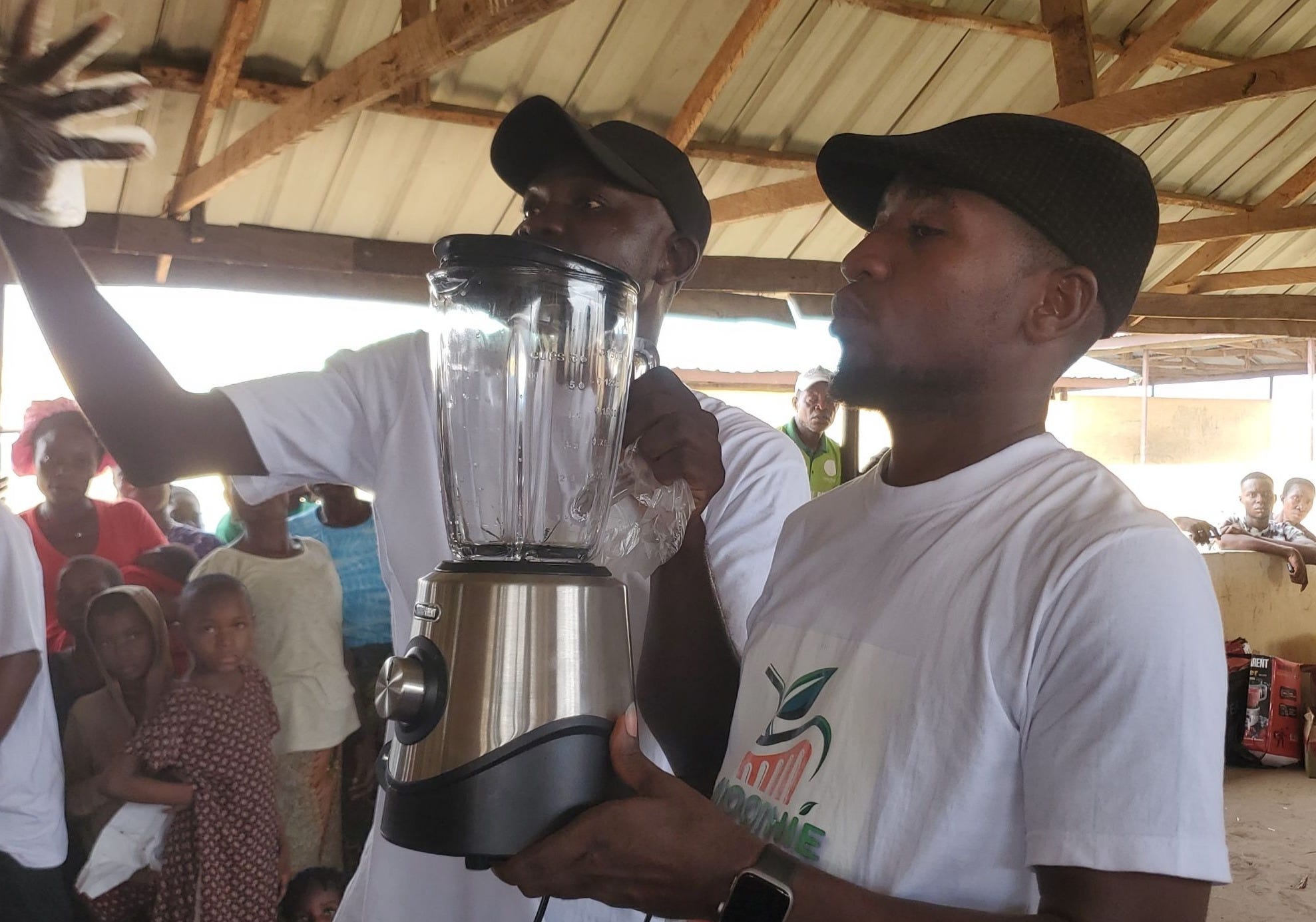
Mark acquired an electric blender and started crafting healthy, nutritious, and delicious smoothies for his community made of mangoes, oranges, watermelon, banana, pawpaw, strawberries, coconut, and pineapple. He gathered the fruits just before they were on their last leg and worked on different recipes that became an instant hit, plus a way to connect with his customers and bond over ingredients. He would then gather the pulp from processed fruits, dry and grind it, and combine that with special formulas to either create livestock feed or organic manure. Impressively, the process wasted nothing.
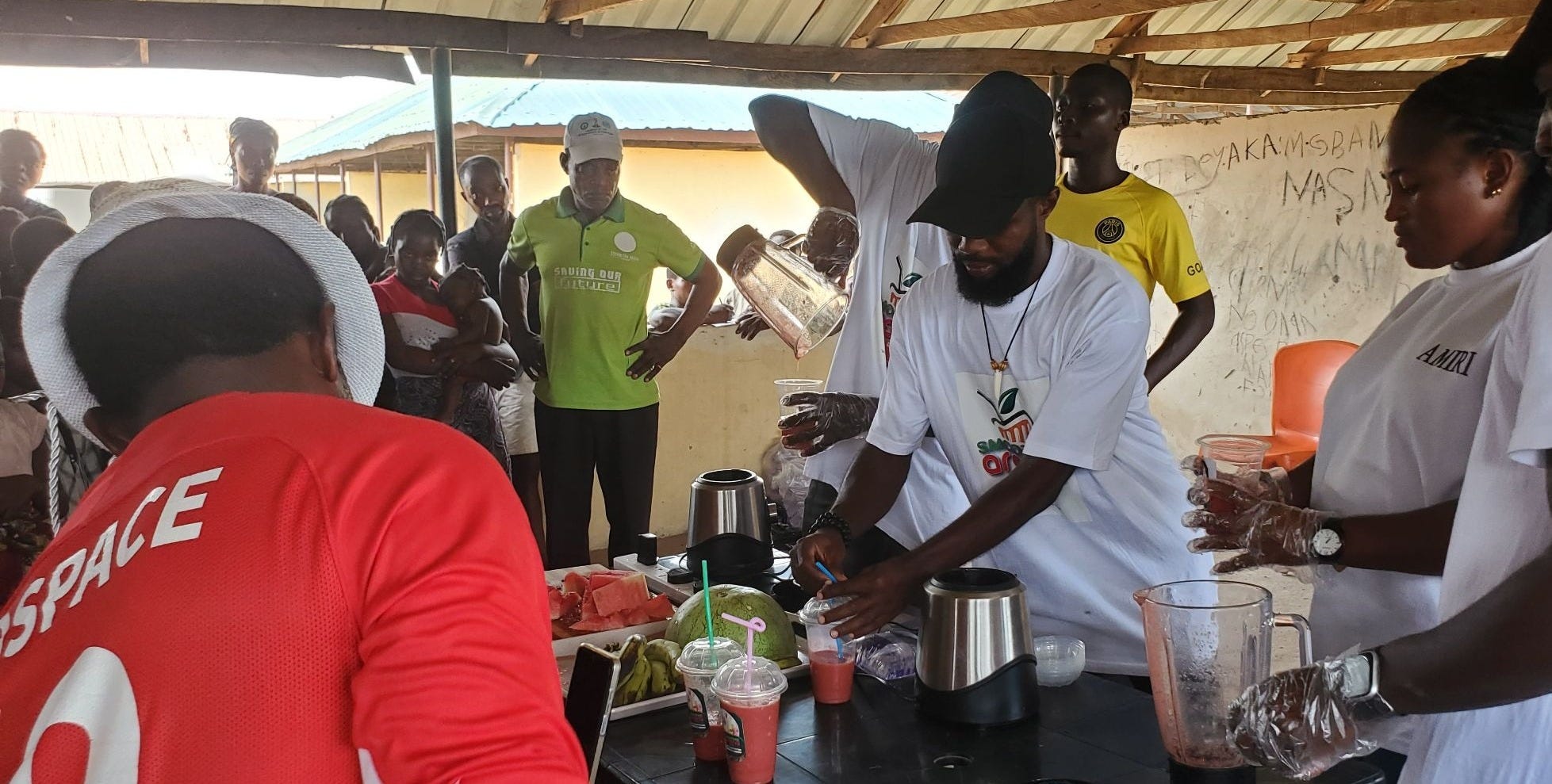
How did Mark know how to do all of this? He studied biological science at Benue State University Makurdi in Nigeria, and later joined the International Federation of Red Cross. He learned about climate change, participated in programs focused on designing solutions, and was connected to RIVET who were looking to provide financial support with their NGO partners to areas that are in “capital deserts” and lack the same access to funding that other areas have. Along the way, Mark gained the knowledge, drive, and resources needed to get to where he is today.
Helping the next generation
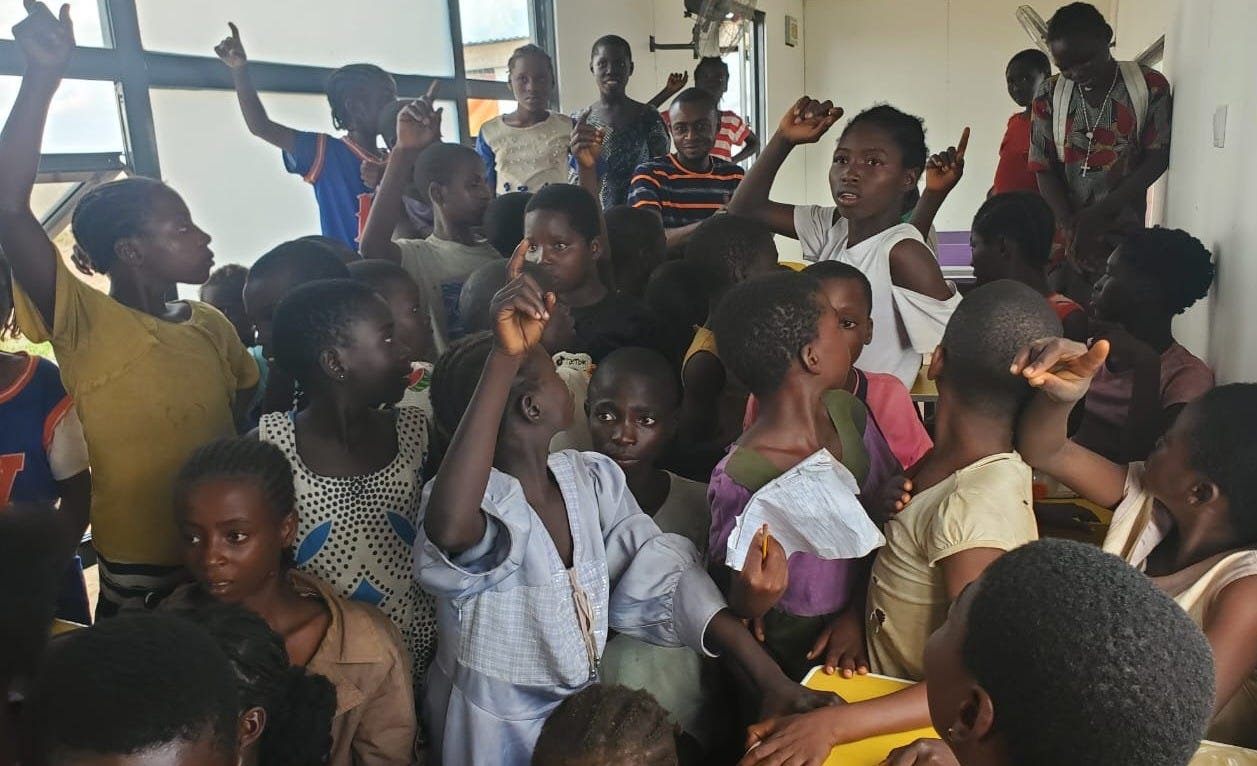
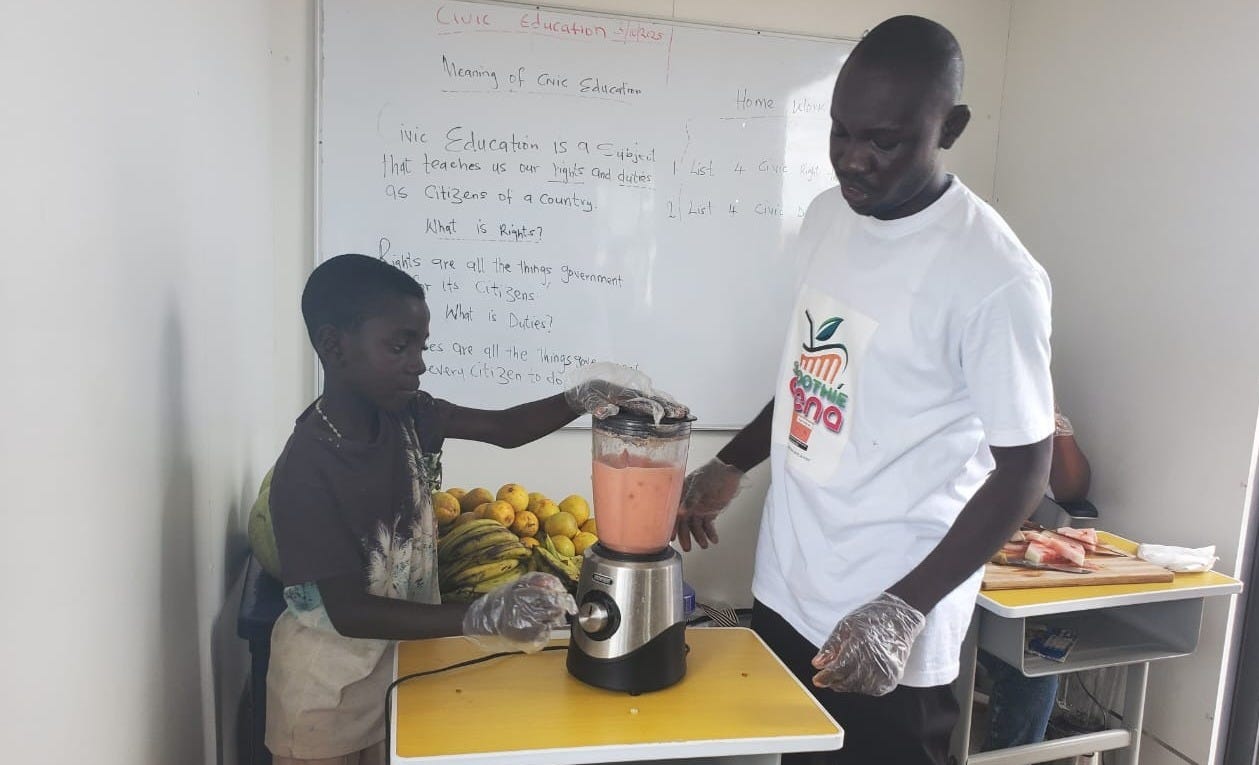
Mark didn’t stop at just making some smoothies. He doesn’t think his vision of ending food waste can be done alone, so he’s dedicating his platform to educating young people. In his words, “if [someone] can make a smoothie or juice at home, with fruit that would have gone to waste, using this new knowledge can help them combat this waste themselves and go even further”. He hosts school workshops and community camps to teach young minds about entrepreneurship and how value-added products can be created from the precious items you typically watch go to waste. He also explains the negative impact of food waste in landfills. In countries like the US, such waste generates more than half of planet-warming methane emissions (a greenhouse gas more potent than carbon dioxide) from landfills.
In an area where young people often don’t have opportunities to lift themselves up and make a good living, he’s so far trained over 5,000 people in a steady effort to change that. Meanwhile, Smoothie Arena Hub has rescued more than 50 tons of food from the landfill, storing that food in the community’s bellies instead.
Together with a team of about 10 people, they’re trying to see how they can expand and scale. Part of this is made possible by the support of RIVET, enabling them to diversify their offerings, replicate the food waste smoothies in neighboring areas, and amplify the impact of what they’re already accomplishing. They have a goal to train 30,000 more young people by 2030, and with the right support, Mark is confident that it’s possible.
What’s next
After working on this for the last three years, Mark gave me some advice on making a positive difference in the world. He told me that the key is empathy. The only way to create a successful solution is to put myself in the shoes of the people actually experiencing the problem. It’s not possible to have a true solution as an outsider, without feeling the pains of the people experiencing the problem.
Yet he also warned me not to be too rigid. He explained that having a personal connection to the solution is essential, because the only way to be sustained in the long run is to link it to a passion, but don’t fall so in love with the solution that it hinders you from evolving when you need to.
I also asked his favorite variety of smoothie, and he told me: banana, pineapple, and watermelon. Semi-confidentially (but with permission to share with you) he told me the key ratio for the recipe is ½ cup of sliced watermelon, ½ cup of sliced pineapple, and 2 bananas.
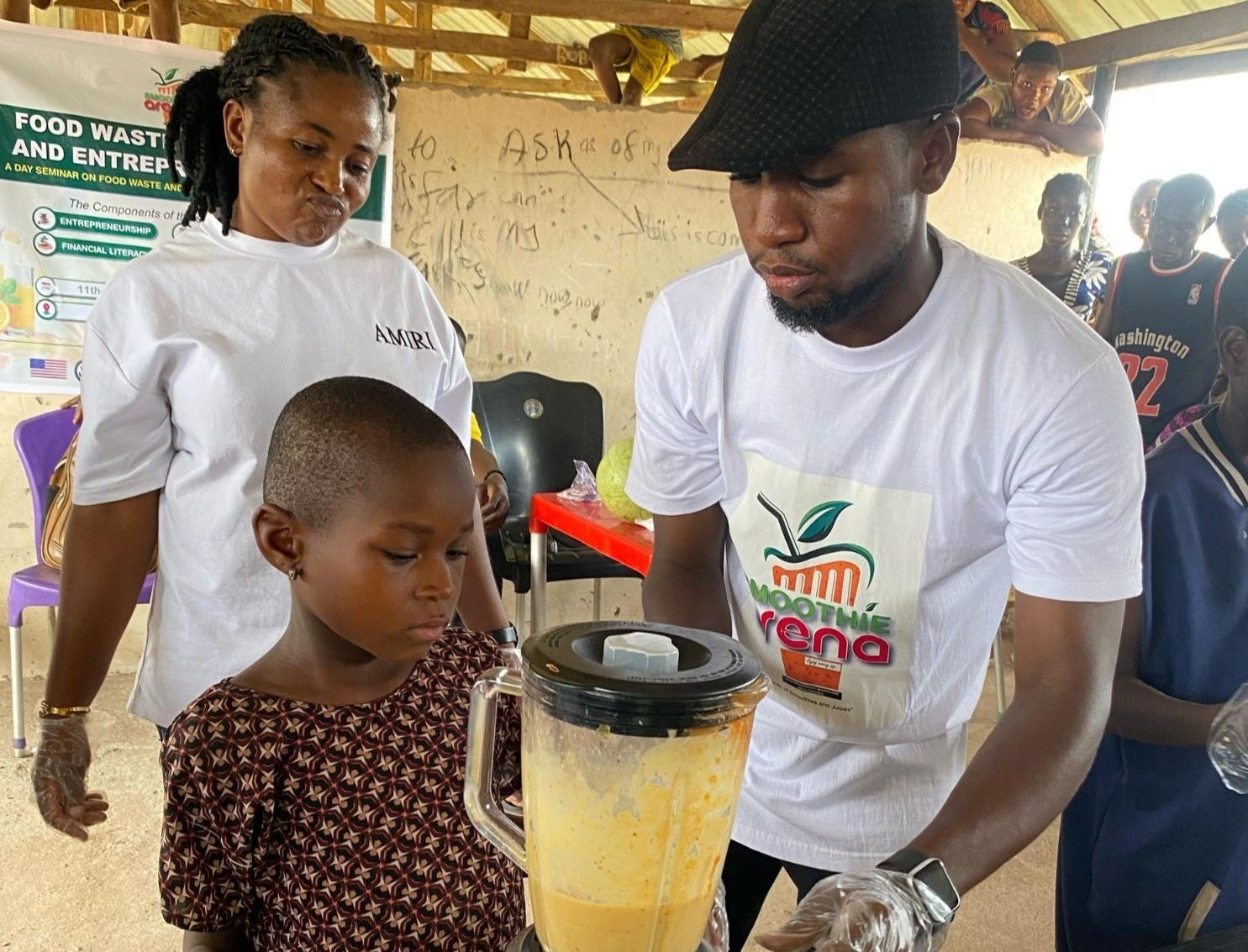
Thanks to Mark, a problem that has plagued the area for years is now getting better alongside thousands of others who are being trained to implement solutions. Mark is leading the way, and many of these young minds are sure to come up with their own great ideas as well.
Check out Smoothie Arena Hub to see how their work progresses, and the next time your fruit is about to rot, maybe save it with a smoothie.


What else is going right in the world this week:
🌞 Solar energy just passed coal to become China’s largest source of installed power capacity.
🔌 Meanwhile, California voted through a bill to legalize plug-in balcony solar, just needing the governor’s signature, which would make them the 11th state to legalize.
🛠️ A “right to repair” law just started in Texas, requiring companies to provide parts and instruction to repair our tech at home or in third party shops.
🎤 The all-female Daisy Chain Fields music festival raised $20 million for women and girl-focused charities.
That’s all for this week, fam. Let me know if I missed anything, and have a great weekend!

This newsletter was an official collaboration/partnership co-written by Jacob Simon and RIVET. Brand illustration by Andrea Miralles. Thanks for helping spread some positivity, and see you next week for more.
I DO like the longer story! You feel a little more connected to what’s happening. And I also enjoy the short summaries. Well done!
I love this story! My high school students work on projects to help their community, and I think they will be inspired when they hear about this. Thank you so much. I love the longer format, by the way.