


Hey fam - only three weeks left in 2025! Hang in there, and let’s finish this year on a high note. As the days get colder and it gets harder to get outside, I’m particularly grateful for cozy blankets and hot cocoa at the moment. And getting some fresh air, even when I don’t want to face the freezing wind. Thankfully, the good stories haven’t slowed down! Enjoy this week’s roundup, and have a great weekend.

After more than six years of folding origami animals for fun, 14-year-old Miles Wu took it to a whole new level.
He recently designed an origami pattern that can hold 10,000 times its own weight to be used for emergency relief structures following disasters.
Based on a pattern called Miura-ori, his creation took 54 hand-folded variations and 108 trials until he figured it out, testing all sorts of different papers, angles, and iterations. And in the end, his design won him a $25,000 prize to try and scale up the trifecta of having a structure be small, strong, and easily deployable at the same time.
Up next for the young talent? Prototyping this structure to use in the real world, followed by many more years of origami-related research.
If this isn’t proof that picking up fun and quirky hobbies is important, then I don’t know what is!
Top stories of progress from this week…
10. Manta & devil rays get protections

70 species, including all ten species of manta and devil rays, were granted the highest level of protection by unanimous vote from more than 100 governments, banning their international trade and hopefully flipping around their decreasing populations. (Alexa Robles-Gil|NYT, Rob Hutchins|Oceanographic)
9. London hits a huge school lunch milestone

100,000 free school lunches have now been given out in London thanks to their program addressing rising costs while making sure kids don’t go hungry. The initiative started in 2023 and has given each child 435 free and healthy lunches on average. (BBC)
8. New speed limits to save whales
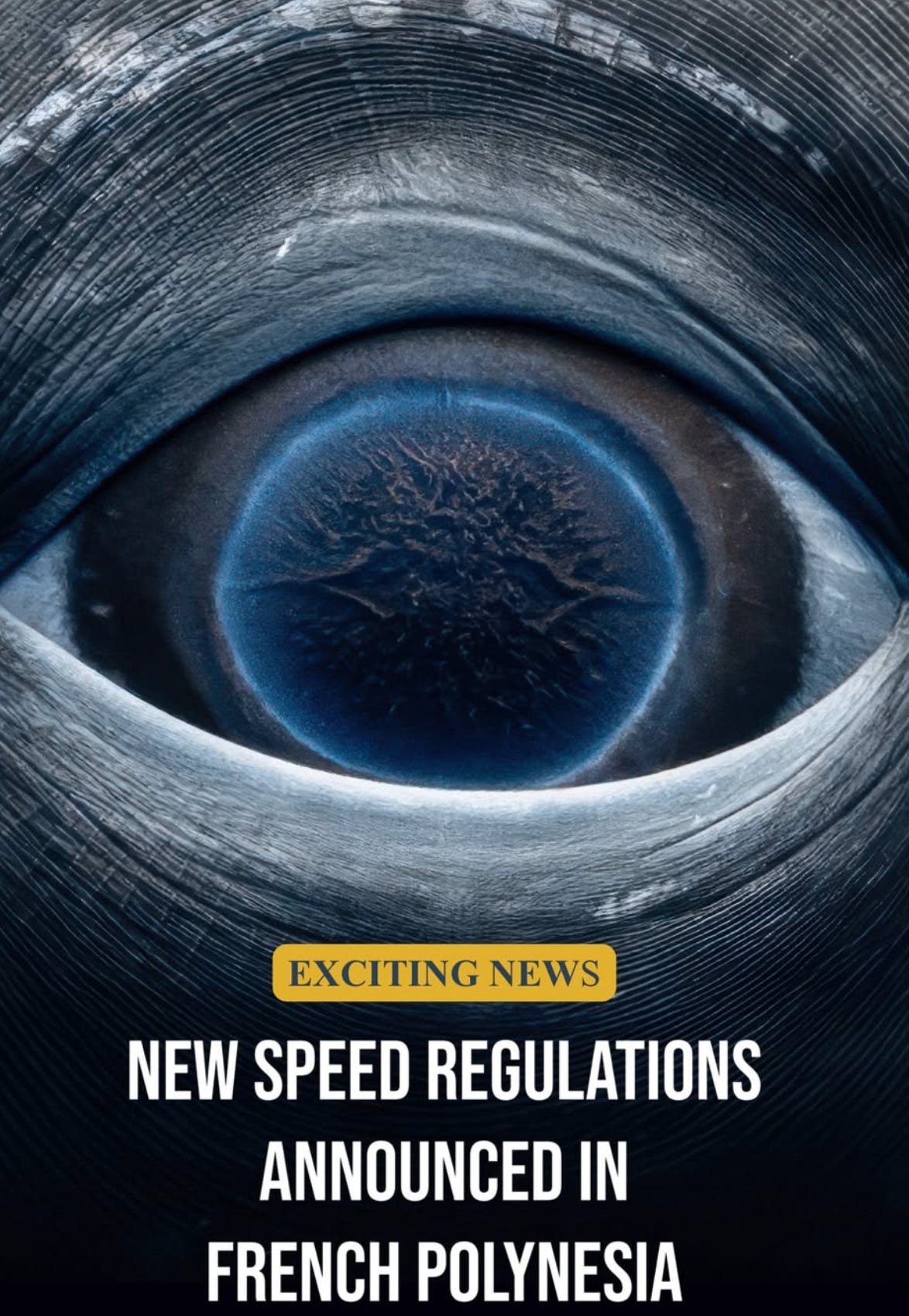
When the star of one of the most stunning photos ever taken by Rachel Moore of a humpback whale named Sweet Girl was struck by a boat that ended her life, a campaign for change erupted. 50,000 people demanded new boat speed limits to avoid future collisions in French Polynesia, which finally just passed, showing the power that our voices and art can have. (Rachel Moore, Charlie René|Radio1 (french))
7. Indigenous anime released

Ecuador’s Indigenous Otavalo community are using anime to preserve their language and customs which are fading away due to globalization. The effort is aimed at defending their culture and spirituality with stories aimed at attracting youth. This first anime piece is called We’re Aya and while I don’t understand what they’re saying in it, it’s beautiful to watch! (Gonzalo Solano|AP)
6. A fairy lantern plant found on a picnic

While visiting a picnic site in Malaysia, Gim Siew Tan spotted a peculiar plant with whitish-peach flowers that turned out to be new to science. Now, it was just classified as a species of fairy lantern which lives underground and only emerges to briefly flower. Coolest of all, it hasn’t been spotted anywhere else in the world! (Shreya Dasgupta|Mongabay)
5. Switching to 100% renewable power in NYC
*This story was produced in collaboration with my partner Climate Power. I was compensated for my time & efforts creating it for social media. I only collaborate on authentic ideas I truly believe in & want more people to know about, so I’m including it here to provide another great story that you may like :)

I didn’t know this was possible to do yet, until I was sent a site called Power to Choose. They explain that in 1990, the state of New York opened utilities up to third-party competition, letting consumers choose who provides our energy, which means while the delivery of electricity is set, we can pick from dozens of Energy Services Companies to generate and provide the energy.
I put this to the test, and it’s an official government website so it’s not the most beautiful thing in the world, but I entered my zip code, got 62 different energy offers with 47 of them having renewables, and more than half of those being only clean sources like solar, wind, hydroelectric, and even tidal-ocean. The price comparisons are shown, as well as information on each provider so we can do necessary research on the company and their sources, and there’s a record of any past complaints.
But what’s the actual point of doing any of this?
Besides potentially saving money, clean energy investments are at risk because of powerful people trying to stop them, despite a huge amount of proof that they’re the future of energy for lowering prices, cleaning up the planet, and creating good jobs. So the more of us that show we care and go out of our ways to willingly switch over, the more we can prove to decision makers this is what we want.
4. Transforming vacant lots into flower farms

40-year-old Quilen Blackwell started a nonprofit called Southside Blooms which is transforming Chicago’s vacant lots into flower farms while hiring at-risk youth. So far, they’ve transformed six lots while employing 25 people aged 16-25 to grow and sell the flowers, winning Quilen and the team a $100,000 prize and the honor of being named the 2025 Hero of the Year by CNN. (Kathleen Toner|ABC)
3. Norways stops deep sea mining before it starts

Norway just paused deep sea mining through at least 2029 which, could have started next year until parliament voted to overturn this decision. They’re following the lead of 40 countries that have banned the destructive activity to protect their waters and diverse ocean life. (Elizabeth Claire Alberts|Mongabay)
2. Texas solar passes coal

For the first time, Texas, which is home to the largest power network in the US, is set to generate more energy from solar than coal over the full year. After they built record levels of panels and battery storage, it’s looking like the fast and cheap future of energy is renewables, even in unlikely places. (Gavin Maguire|Reuters)
1. Our community took action
🤝 craftsbypetalouda started doing an act of kindness whenever they feel angry or hopeless to turn those feelings around and help their community.
🎓 maisha_ebooks finally got accepted into their environmental graduate school program to make a difference for the earth.
🧣 closetgoblin_shop hosted a clothing swap to exchange free winter clothes while collecting cans to donate to their local food pantry.
Do you have a good story to share?
+ Bonus stories worth checking out
🛰️ Space-based solar energy might be coming soon. Scientific American explains the pros and cons.
🛑 Can AI data centers be stopped? 230 environmental groups are demanding it.
🐝 Stingless bees earned the world’s first legal rights for an insect, born in the Peruvian Amazon and now having the right to exist, thrive, and be represented in court.
This newsletter was written by Jacob Simon. Over 1 million people are in our community across Instagram, TikTok, and YouTube. You can say hi on LinkedIn, or by hitting reply. Brand illustration by Andrea Miralles. Thanks for helping spread some positivity, and see you next week for more!