


Hey fam,
I had a conversation with a potential collaborator this week and she mentioned how cool my job was, getting to meet amazing people and tell such interesting and meaningful stories. I honestly hadn’t thought about it in a little while, but she made me remember how fortunate I am to do this for a living, and tell stories that not only uplift important people but also help all of you learn and get inspired.
In my never-ending search for people that are working on something cool and important that we probably haven’t heard of, I was thrilled to get a DM and email from a student working on something (literally) pretty cool…
Here’s their story!
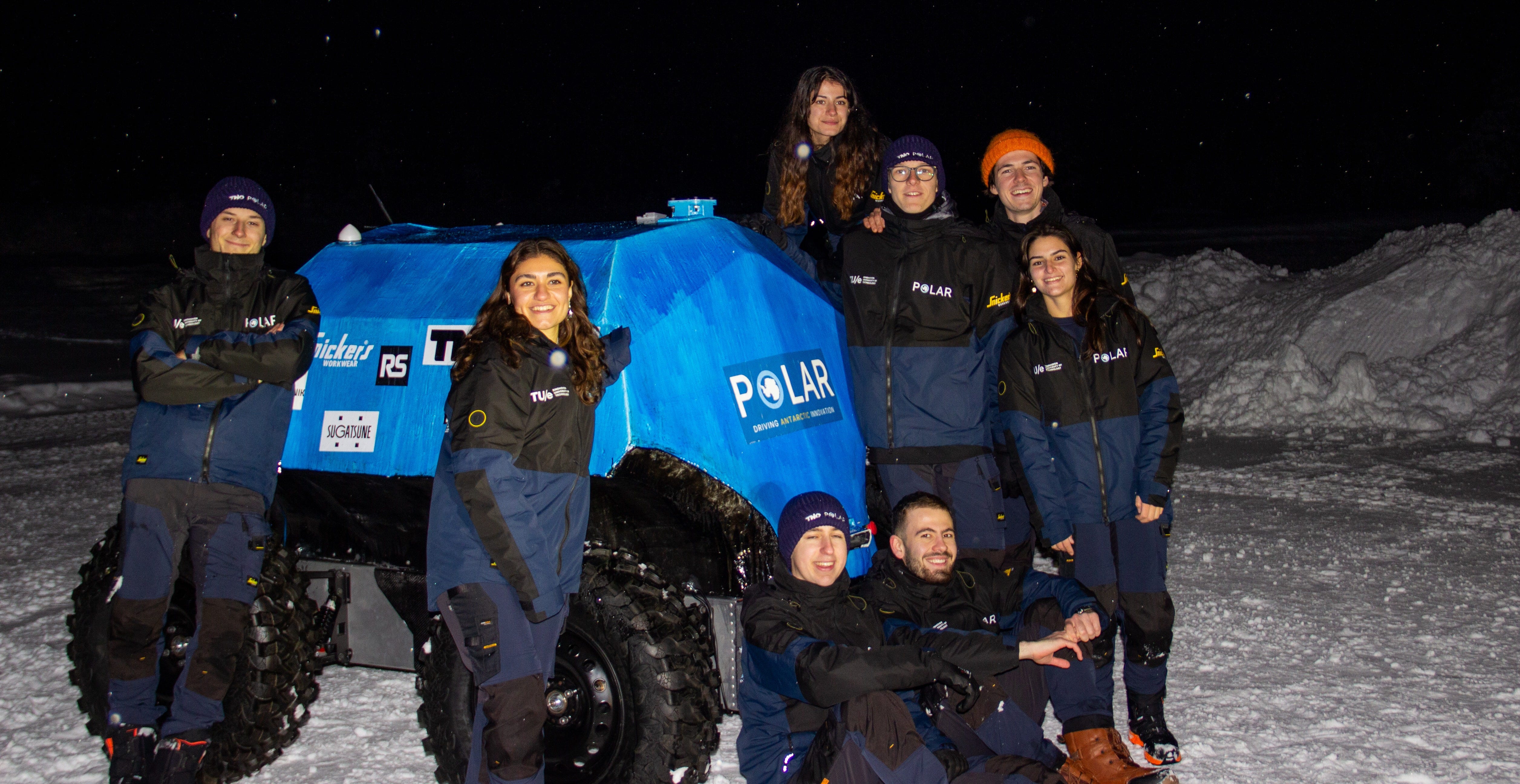
This group of students is creating a solar-powered autonomous rover that can survive in one of Earth’s harshest environments.
Getting scientists to Antarctica is difficult, expensive, and dangerous while they gather data on one of Earth’s least understood places. Once they are there, most research expeditions use big and expensive equipment like diesel-powered vehicles, heated shelters, and of course food and necessities.
But, “what if researchers didn’t always have to be there in person?”
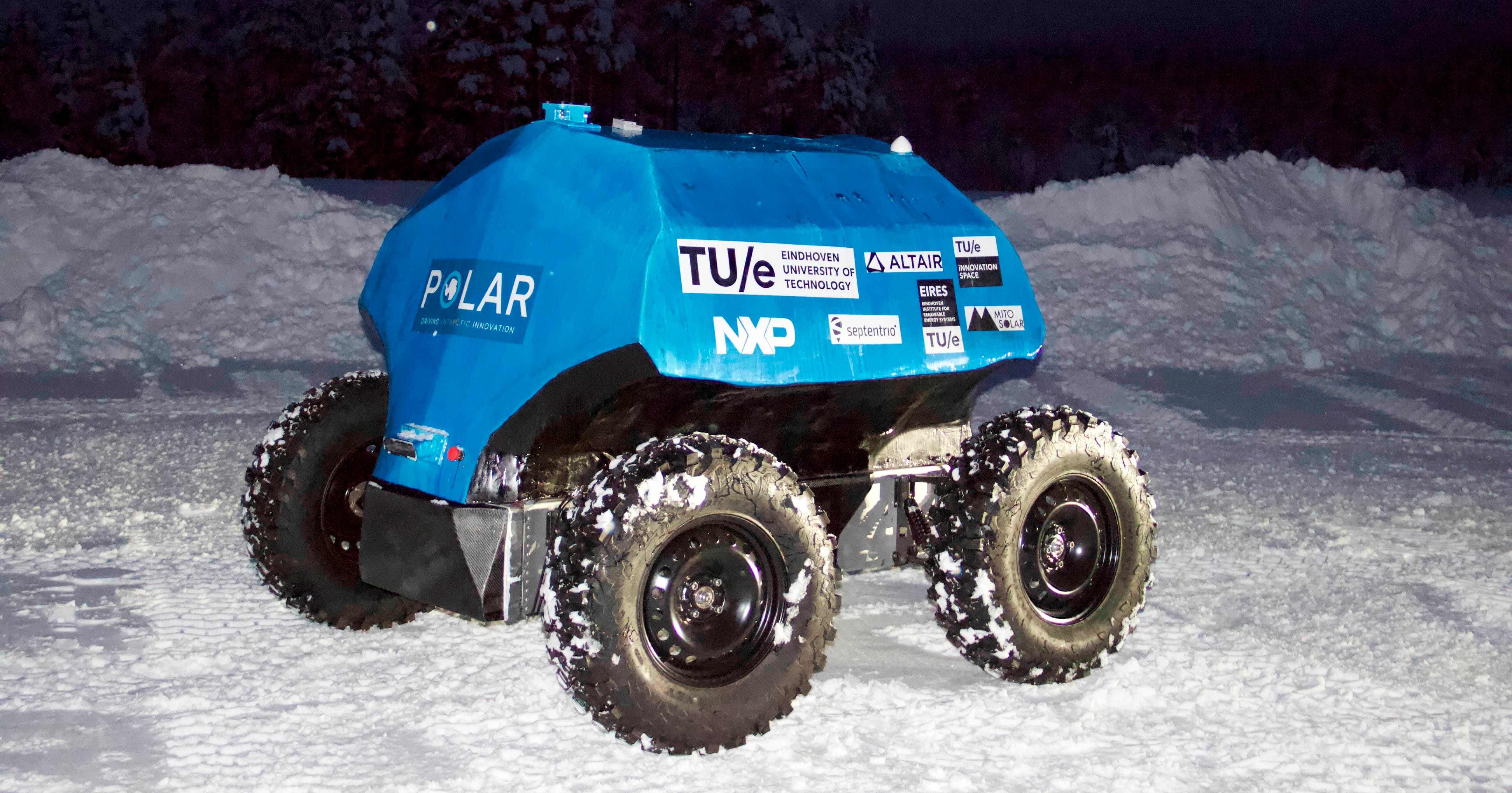
A team of 60 students from 20 different nationalities set out to answer that by developing a rover that operates without humans needing to be on site, making important missions safer, cheaper, longer, and have less of a negative impact on the environment.
But with treacherous terrain and unpredictable weather, this isn’t easy to pull off. So students from over a dozen majors at Eindhoven University of Technology spanning engineering, software, sustainability, and design all came together to create this rover called Gentoo, and make their vision of a zero-emission Antarctica a reality.
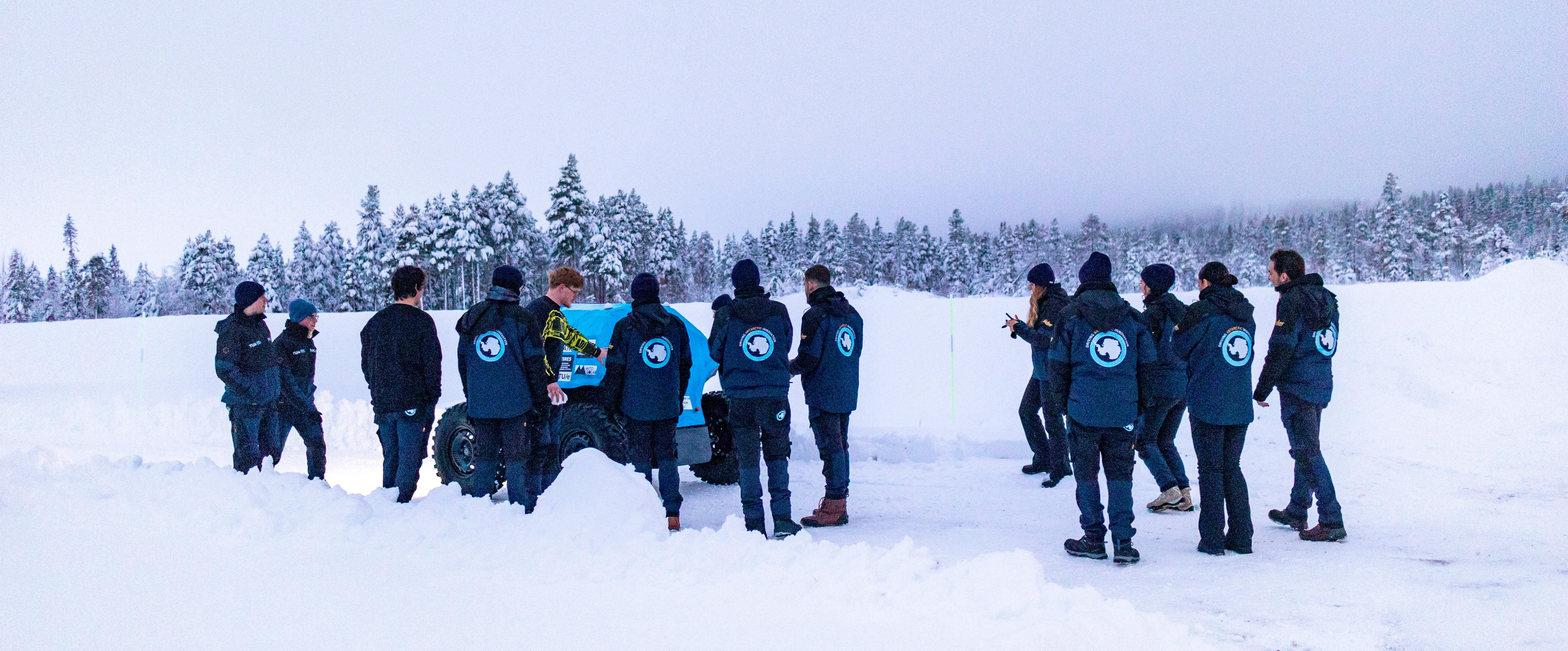
They’re still testing and refining the design, but maybe this is the future of scientific expeditions in the most extreme areas of our planet?
What’s going right in the world?
7. Millionaires gotta pay up in Washington
A “millionaire’s tax” just passed in Washington state after a day-long debate, creating a 9.9% tax on earnings over $1 million. This applies to less than 0.5% of residents yet will be the state’s first income tax to “rebalance the system” and raise billions of dollars to fund education, healthcare, and tax credits for small businesses and low income families. (Anna Griffin|NYT, Washington State Budget & Policy Center)
6. Plug-in solar comes to state #2
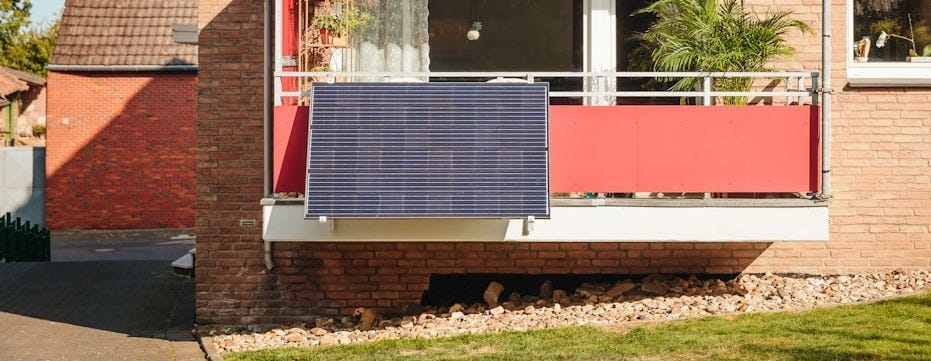
Virginia just nearly unanimously passed a bill to legalize plug-in balcony solar panels. They’re set to become the second state after Utah to remove complicated barriers for approvals and wiring to instead just let people buy and set up their own panels on their patio or yard, offsetting household electricity costs. (Elizabeth Ouzts|Canary Media)
5. Train upgrades in California
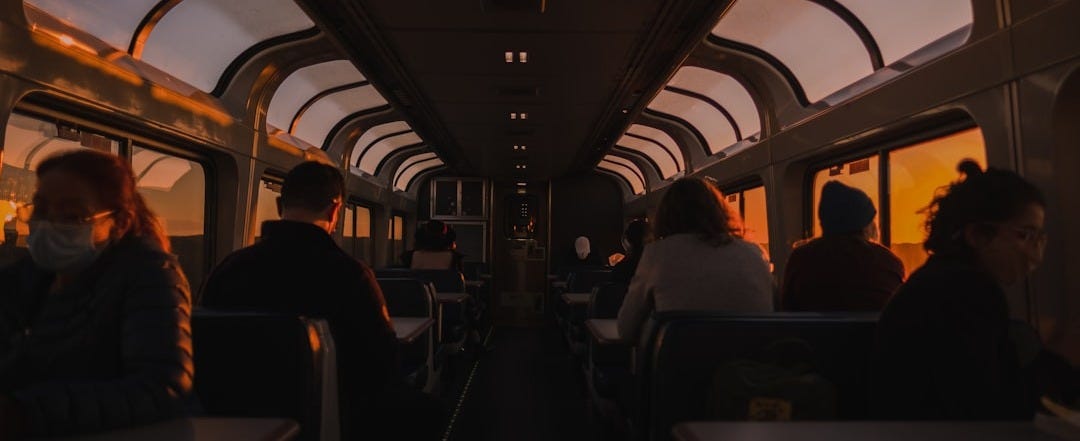
After the Caltrain commuter rail in California upgraded 51 miles of track from diesel to electric, they’ve shaved off up to 23 minutes on rides that are quieter and smoother, while substantially reducing pollution. This has more than doubled weekend ridership, once again proving that the people want more trains! (Benton Graham|Grist)
4. First tribal nation to clean a superfund site
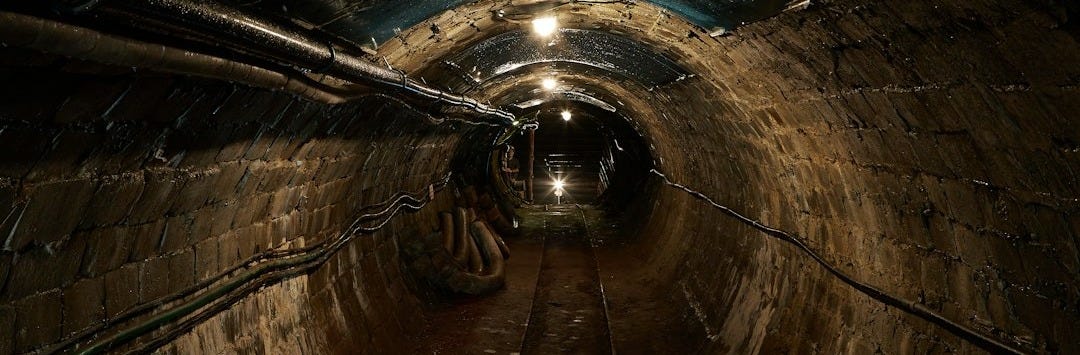
The Quapaw are now the first tribal Nation in the US to clean up a superfund site, taking over after the government failed to clear remnants of a lead and zinc mine. They achieved this by seeding, mulching, and composting the land until the soil was restored and healthy enough to grow food, and they even got the EPA to cover their expenses. (Todd Price|The Guardian)
3. Wildlife bridges keep working
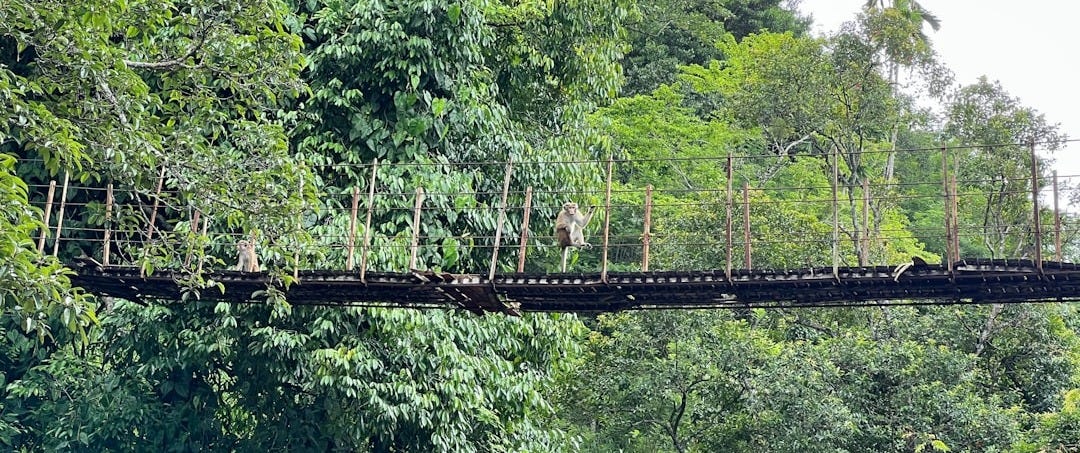
Canopy bridges that connect treetops and allow animals to safely cross over roads are continuing to prove their effectiveness in re-connecting forests, saving lives, and helping threatened species cover more ground. According to research, it turns out this helps the animals avoid isolation which in turn keeps populations genetically healthier (Luis Partiani|Mongabay)
2. NYC says out with gas, in with induction

10,000 gas stoves in New York City public housing are getting upgraded to induction which heats up using magnets, if a test of an initial 100 succeeds. They’ll be swapping out the old stove that leak asthma-causing pollutants for new ones that plug into a standard wall outlet and have a built-in battery that can cook 150 cups of soup in a power blackout. (Laruen Dalban|Inside Climate News)
1. Our community took action
🎨 Jeanna is making amazing art out of cardboard, thrifted supplies, and materials that would otherwise be thrown away.

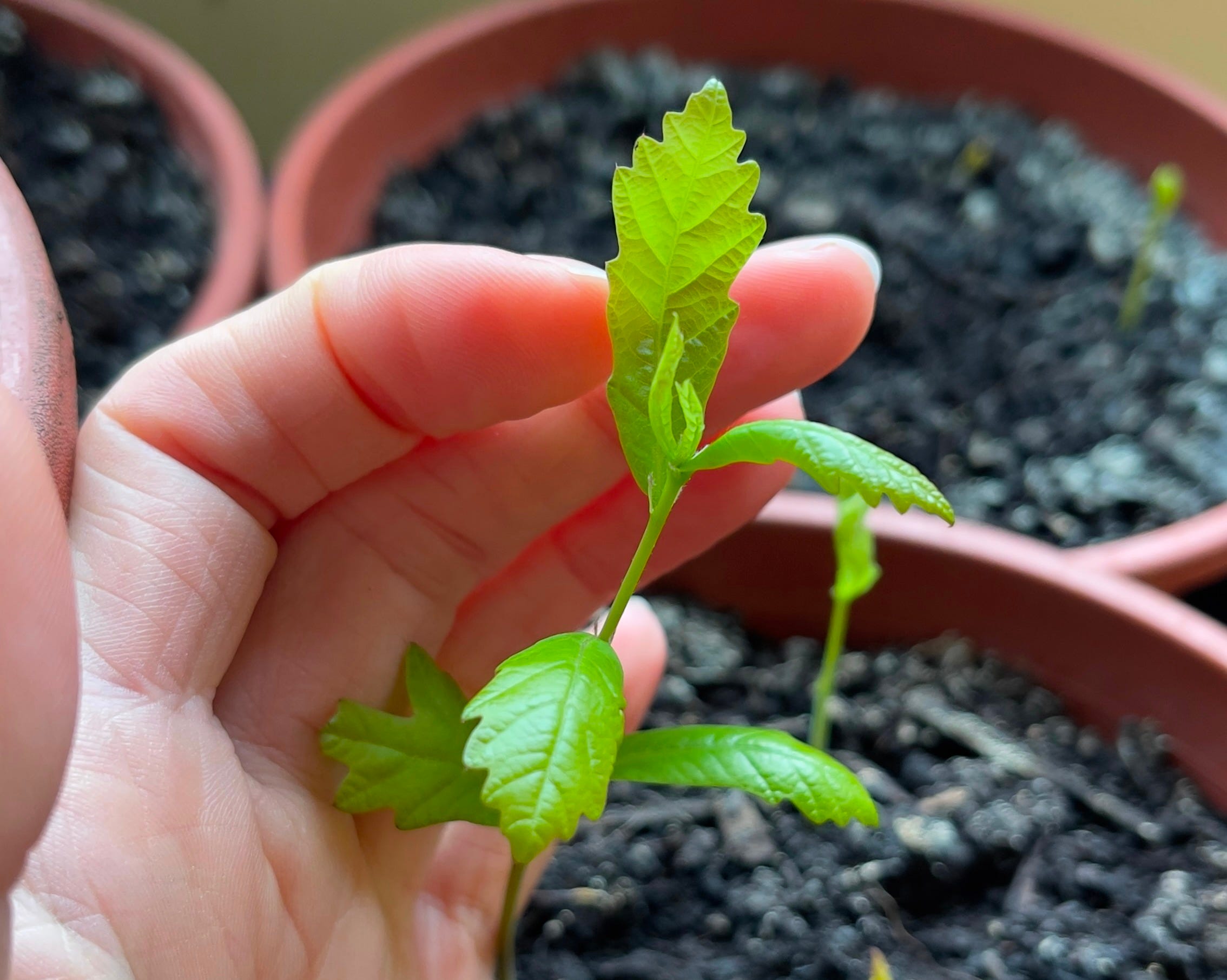
🌳 Frankie planted 30 oak trees that are now sprouting, which will be keystone species in their area and live for 500 years while helping countless lives.
What did you do this week that we should know about?
This newsletter was written by Jacob Simon. Over 1 million people are in our community across Instagram, TikTok, and YouTube. You can say hi on LinkedIn, or by hitting reply. Brand illustration by Andrea Miralles. Thanks for helping spread some positivity, and see you next week for more.
Hope is so contagious and I love giving it to twenty somethings (I'm a mid '60's).
Just today a young contractor (for his dad's business) was estimating fence repair and upgrades. He couldn't miss the Meso American food forest, aquaponics, muscovy birds, and tricked out 1966 schoolie bus in the driveway that I've been working on for 20 years. Says "I'm coming here for the apocalypse". And then "Right on!!" when told we could 'sleep 40 but you'll have to compost your own poo'.
We want more of these young'uns!
Thank you! Always good news if we look.