

Hey fam,
Somehow, there’s only one week left in February! They say time flies when you’re having fun, but I feel like time flies no matter what these days.
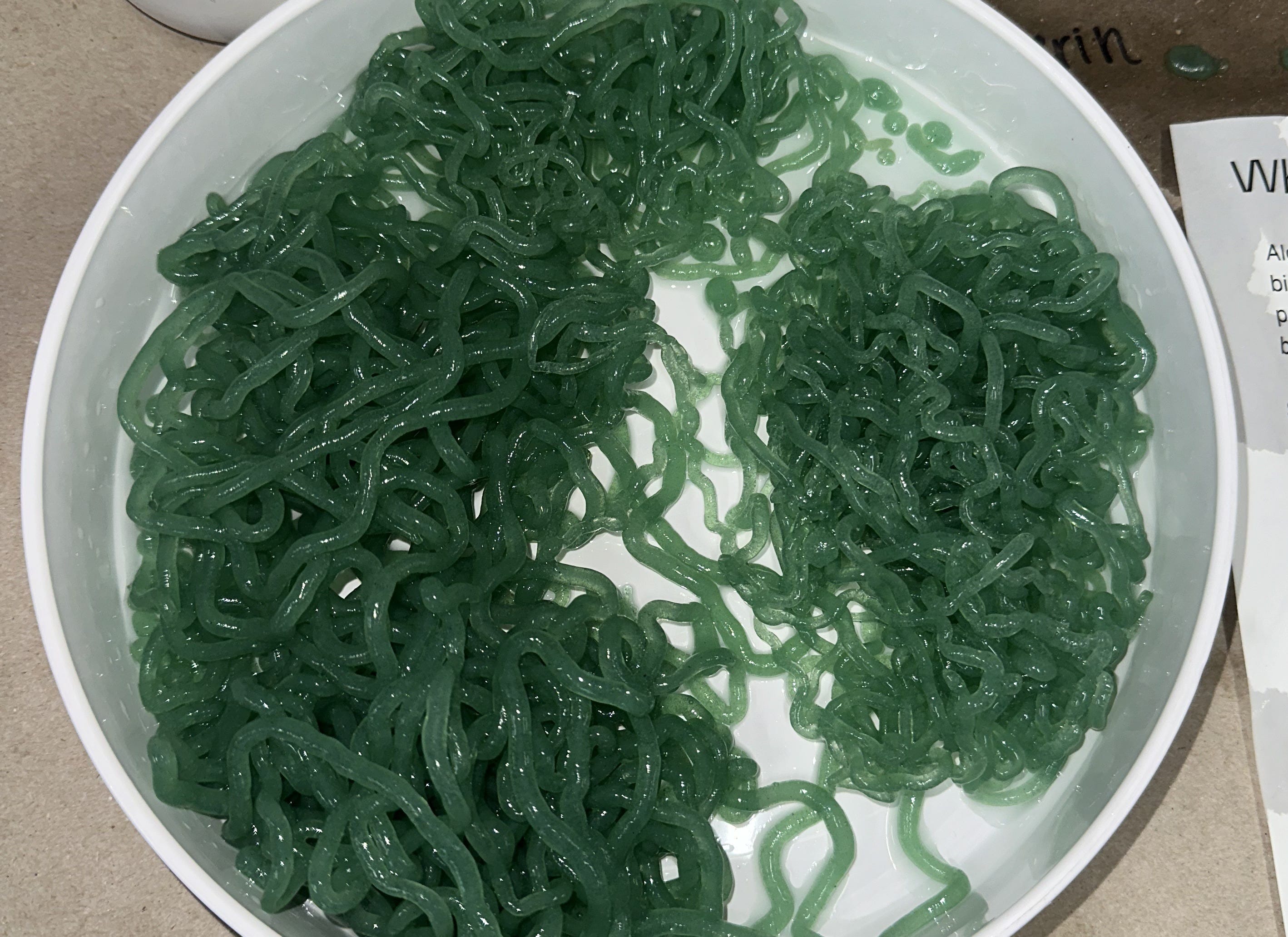
Earlier this week, I had the immense pleasure of attending a workshop where I learned how to make algae yarn. It was epic! And pretty simple. We basically combined a few common(ish) ingredients into a squeeze bottle, squirted out long curvy threads of yarn, and let is solidify and then dry out. Not sure what I’ll make yet with my new threads, but I’m thinking maybe a bracelet?
And I’m now off on a quick ski trip and then some exciting work opportunities. Stay tuned for something I’ve never done before…
Hang tight for that. But today, before we dive into all the good news of the week, I wanted to start things off with the story of how a man walking through an alley led to an international rescue mission that saved an entire extinct snail species.
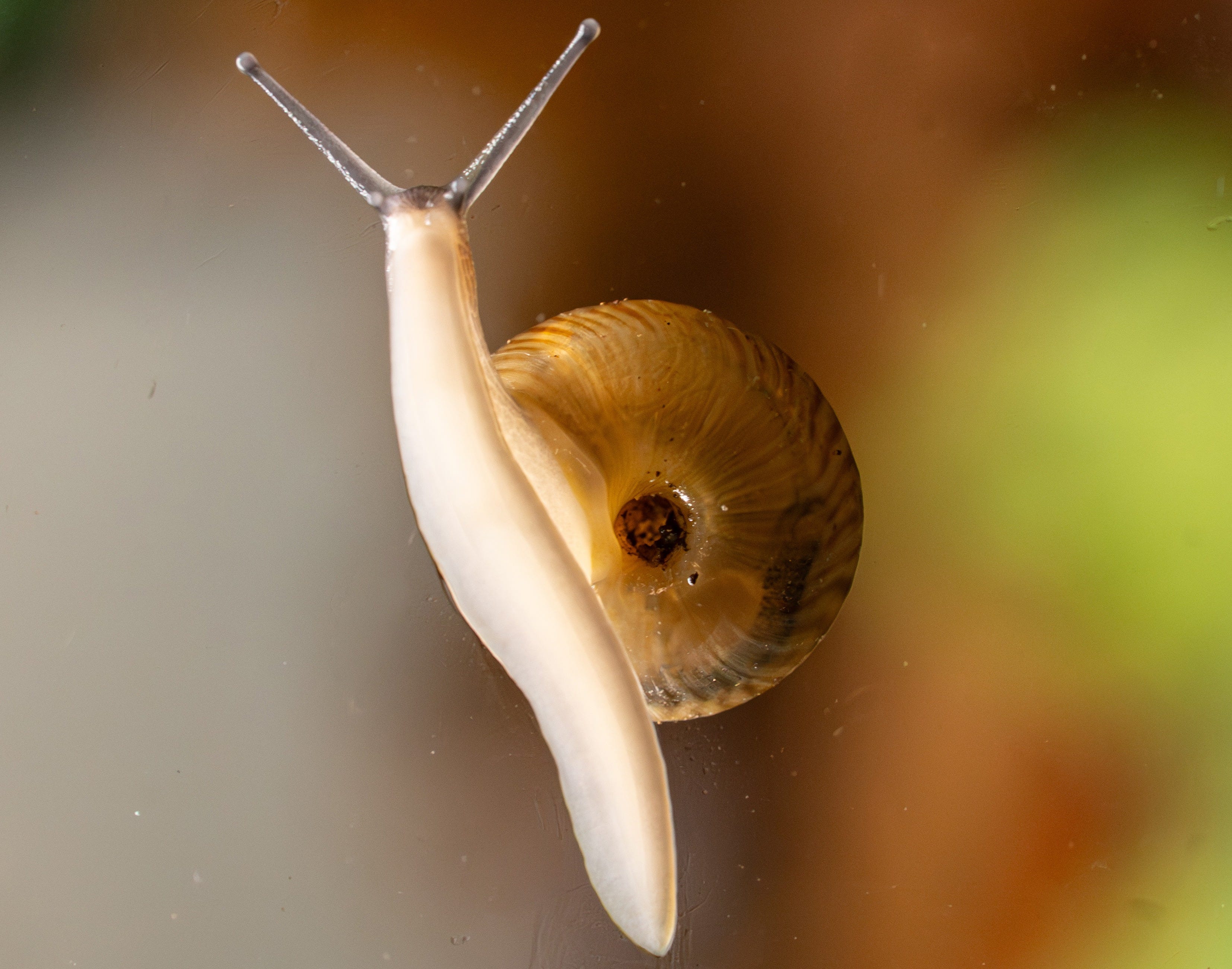
It started in the capital of Bermuda where a local resident named Bruce was moving flower pots in an overgrown alley when he spotted some tiny snails and sent a picture to his son Alex, who couldn’t believe it.
Coming over straight away, they realized this was the Greater Bermuda snail, last seen about 40 years ago and confirmed many times to be extinct after nonnative predators and habitat change wiped them out.
If the odds weren’t small enough yet, they were probably only one of five people in all of Bermuda who would’ve known what the snail was, since they’d been involved in past conservation work.
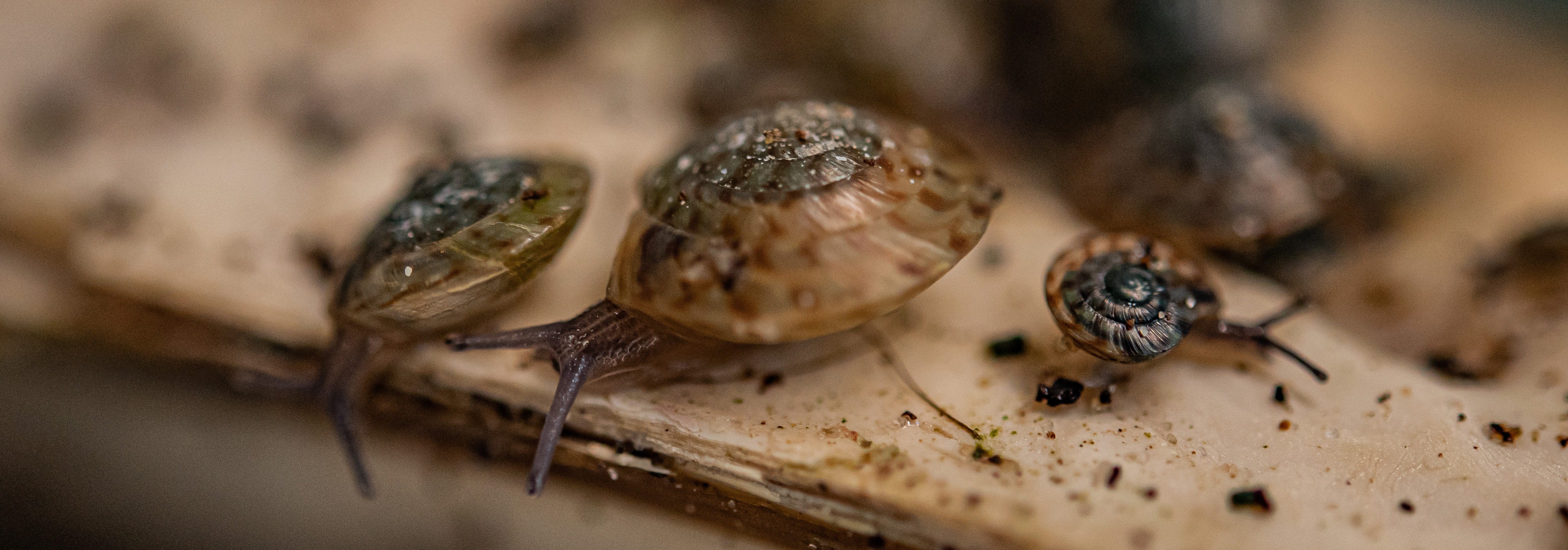
So an international program commenced with Bermuda, a Canadian researcher, and the UK’s Chester Zoo setting up a safe breeding program.
But hardly anything was known about the species, in part because snails are some of the least studied animals in the world, probably because people find them slimy and gross, yet they adapted existing techniques and learned the optimal conditions for breeding so well that they even helped create a guide for the species.
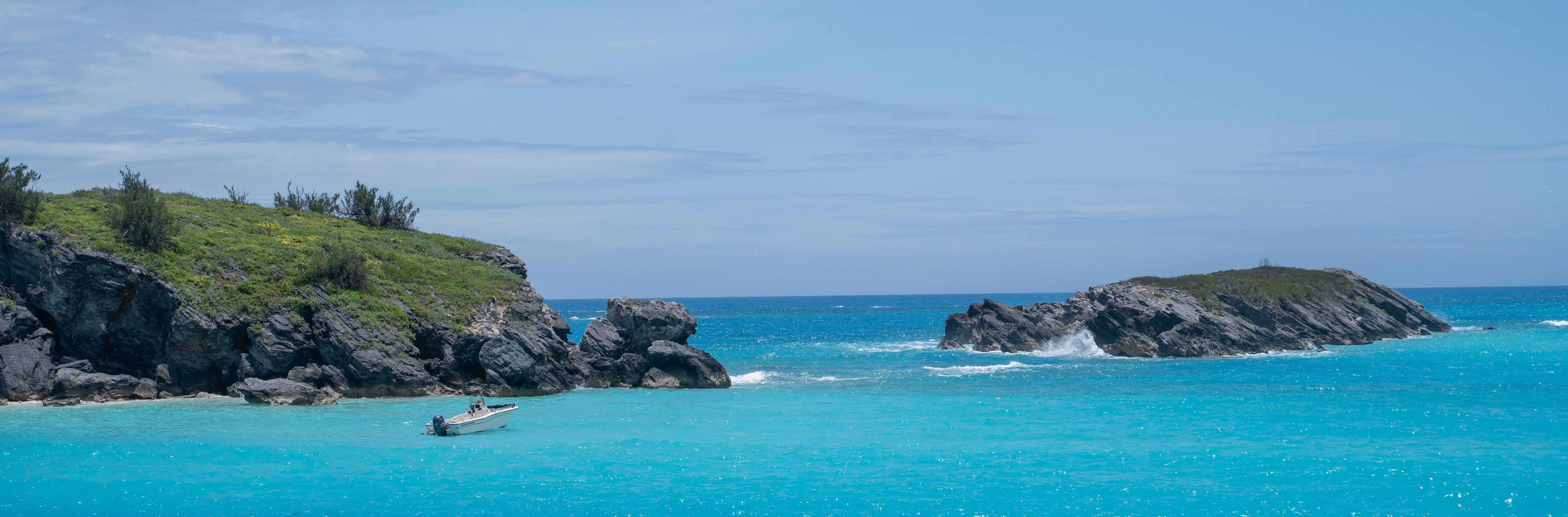
And eventually, it was just announced on Reverse the Red Day that six populations were reintroduced to their natural habitats, numbering over 100,000 as they returned home and started to restore their damaged ecosystem, in one of the biggest conservation success stories.
Which really proves that you’ll never know what you’ll find until you start looking!
Underrated good news I found this week:
The world’s longest underwater time lapse
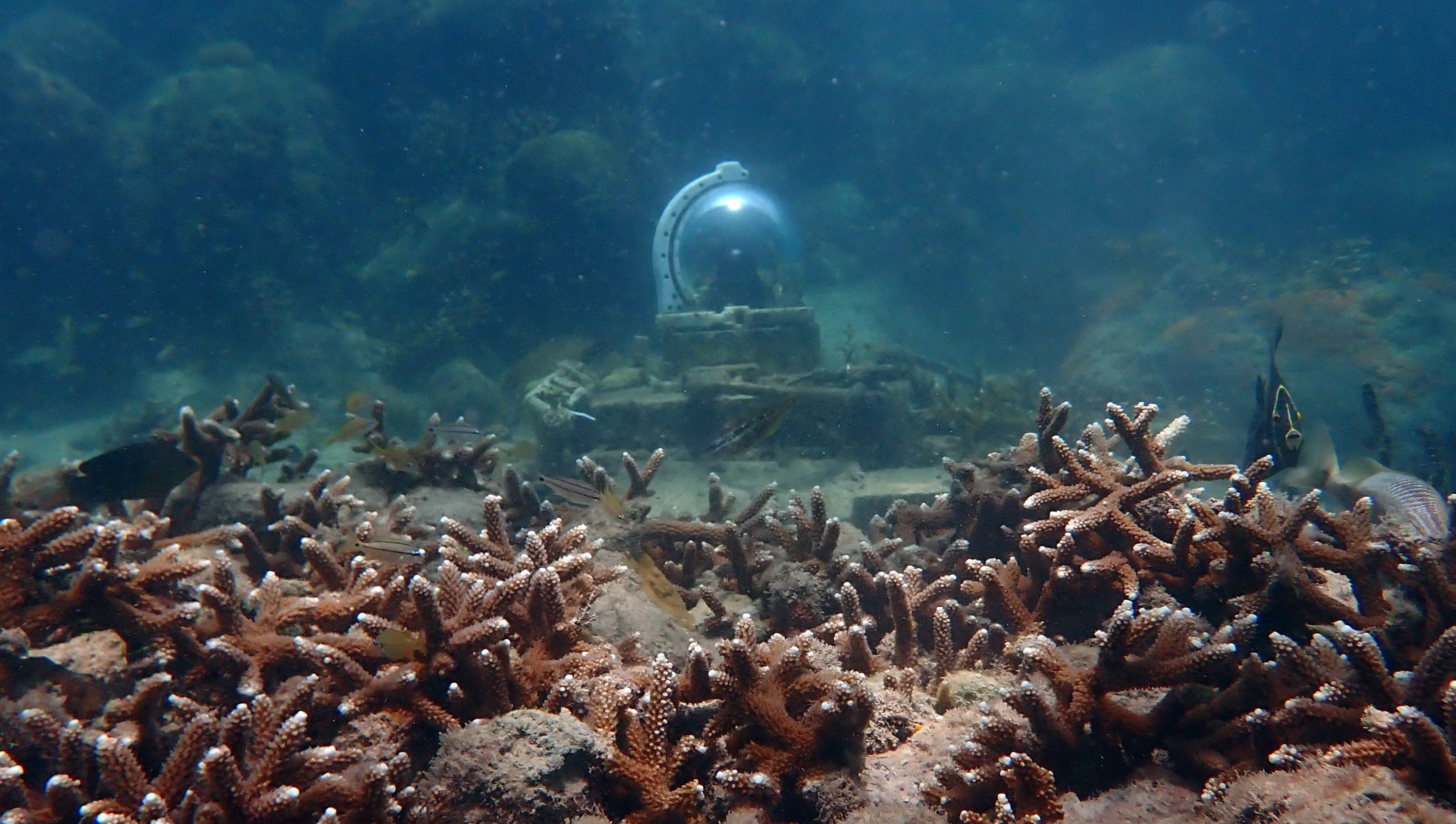
Spanning 1,000 days from May 1st, 2023 - January 28, 2026 off the coast of Miami, the world’s longest underwater time lapse was set up by Colin and Jared from Coral Morphologic. I reached out to them to hear their full story, and it’s a beautiful one.
A family snorkeling vacation planted the seed for Colin’s love of coral, and when his best friend Jared was in a low point of his life, he sent over equipment to set up a home aquarium that Jared says regulated his emotional wellbeing and ultimately saved his life. So with both of them on board, they started cloning coral for research and collectors, then telling the stories of these fascinating animals that have been around for 500 million years. Through time lapses, livestreams, projections, and audio recordings, they’re working to connect humans to these important creatures and learn from them, while ensuring they’re protected. This impressive time lapse is just one of many initiatives they have to give us a sense of wonder and awe of marine life.
If you wanna learn more, check out the video I made about their story!
Protecting one of the darkest places on Earth

A dark sky area in Chile’s Atacama Desert was about to be ruined by a power plant, until public concern and engagement backed by science got the company to withdraw their proposal, saving this dark sky area for astronomy, ecosystems, and nearby communities. (Dark Sky)
10,000 acres of tribal Land Back

One of California’s largest tribal Land Back deals just took place where the Washoe Tribe bought 10,000 acres of land they had been forcibly removed from near Lake Tahoe, working with organizations, grants, and private donors to raise enough money to purchase their land and conserve it. (Dani Anguinao|The Guardian)
Testing battery-powered cargo ships
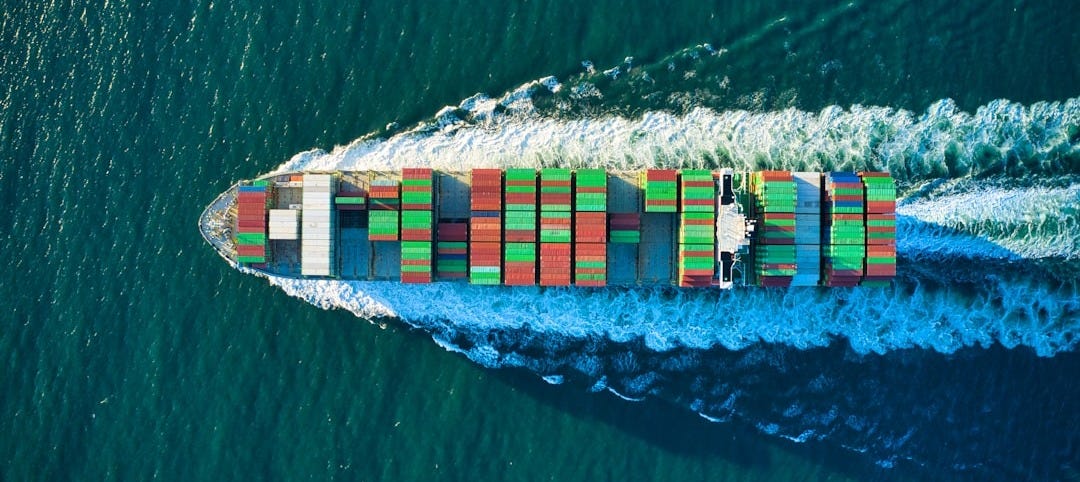
China has started testing battery-powered electric cargo ships, in an attempt to clean up shipping with swappable batteries that get extra charge via on-board solar panels, which if all goes well could improve some shorter distance operations. (The Maritime Executive, MI News Network)
+ Bonus stories
🥘 Miranda from our community started rescuing surplus foods from rural food banks, cooking them into fresh nutritious meals, and delivering them to food insecure individuals.
💨 These people are building wind power from scratch!
🔥 The EU has banned the practice of burning excess clothing and shoes, hopefully a first step towards a more circular economy.
Have a good story we should know about? Drop it in a comment!
This newsletter was written by Jacob Simon. Over 1 million people are in our community across Instagram, TikTok, and YouTube. You can say hi on LinkedIn, or by hitting reply. Brand illustration by Andrea Miralles. Thanks for helping spread some positivity, and see you next week for more.
This all made me smile. And my heart and eyes open. If we each take care in our own back and front yards we can make a difference in the world!
So many good stories! Dark Skies- one of my passions.