


Have you heard of the woman who just became the fastest person to row 2,400 miles unassisted from California to Hawaii?
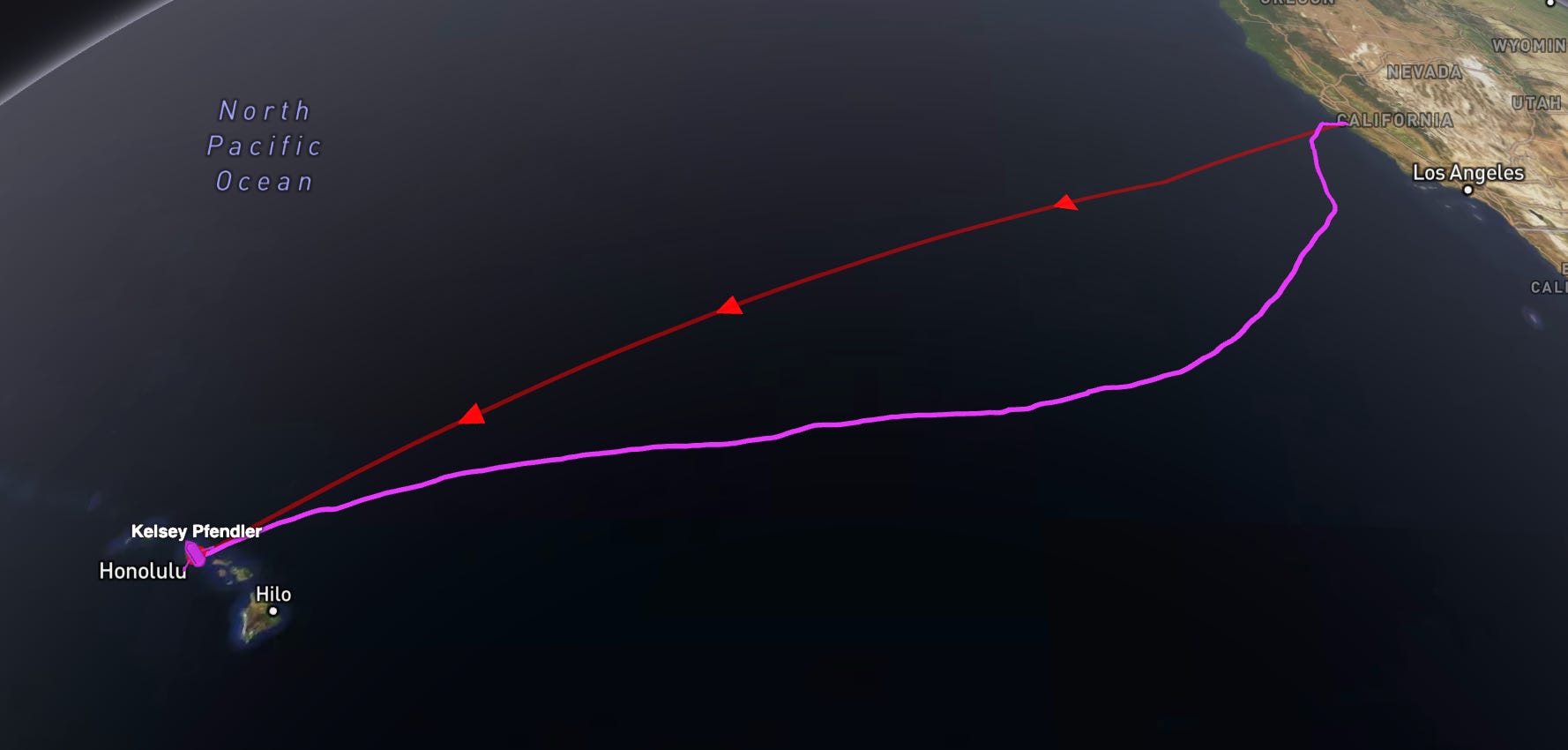
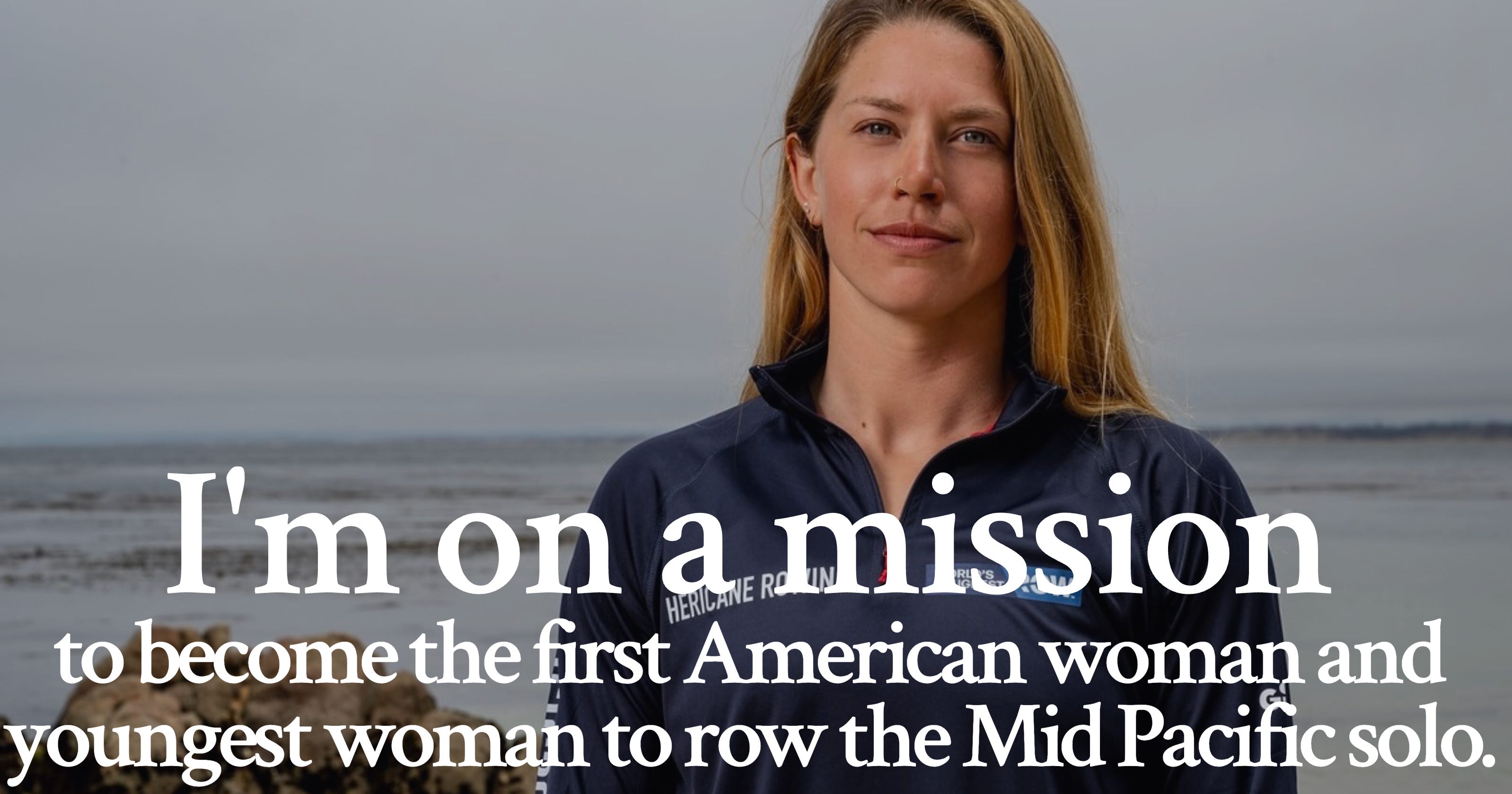
Her name is Kelsey Pfendler and her final time was beyond impressive as she became just the 3rd woman to ever complete this journey.
On May 21st, she loaded into a 21-foot rowboat named Lily and set off to beat the previous woman’s record of 86 days and the man’s record of 52 days.
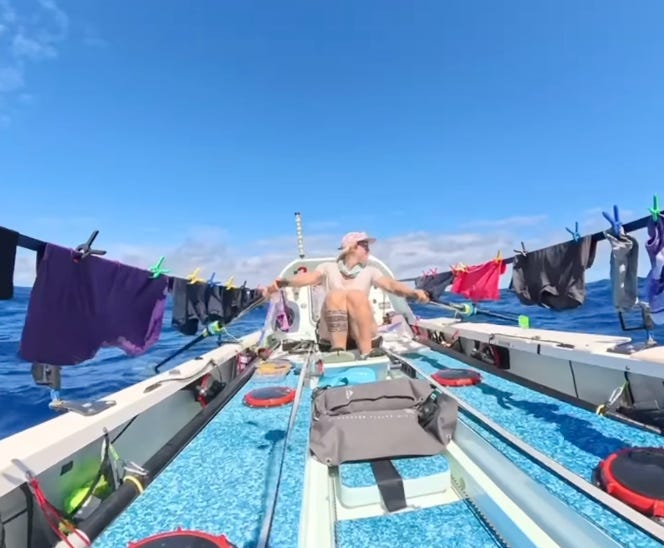
And she documented how she pulled it off: filtering seawater, doing laundry, making food, meeting new friends and lots and lots of rowing (of course).
Despite being a professional rafting guide since 18 and guiding tours through the Grand Canyon, the journey was grueling as she battled currents and winds, blistered hands, lack of sleep, and she even had her 32nd birthday along the way.
Yet in the end she became the first woman to succeed, plus the youngest and fastest person to complete the route without assistance at a final time of just under 43 days and 18 hours.
She did it as a fundraiser for the Whale Foundation which gives free mental and physical support to the river guiding community, raising $200,000 for her journey and at least another $30K directly to the organization.
So the next time someone says your idea is impossible, think of Kelsey and say, “watch me”.
What else is going right in the world:
A game that leads to real-world discoveries

There’s a game that lets anyone at home discover actual planets, uncover long lost history, or find threatened frogs in real life…
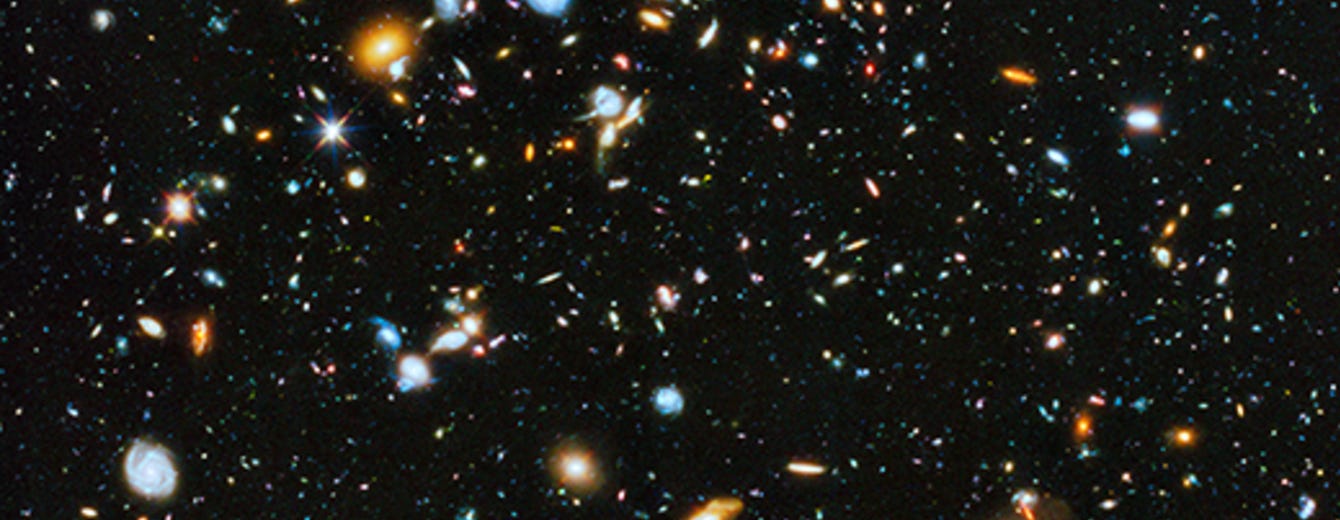
The story goes that in 2007, scientists trying to understand the formation and evolution of galaxies were faced with a monstrous amount of data, so they invited the general public to help them out.
Half a million people heeded the call and started visually inspecting galaxies through the internet to determine if they were ellipticals, spirals, or mergers. In two years they racked up more than 50 million classifications of 900,000 galaxies, and the creators called the project Galaxy Zoo.
But after finding the results from the public to be consistent with professional astronomers, and having enough people to minimize inaccuracies or individual bias, they realized this strategy could help other areas of science too.
So they launched many more projects and expanded into gravity, wildlife, handwritten manuscripts, climate patterns, and hundreds more, helping unlock new knowledge and even guide policies.
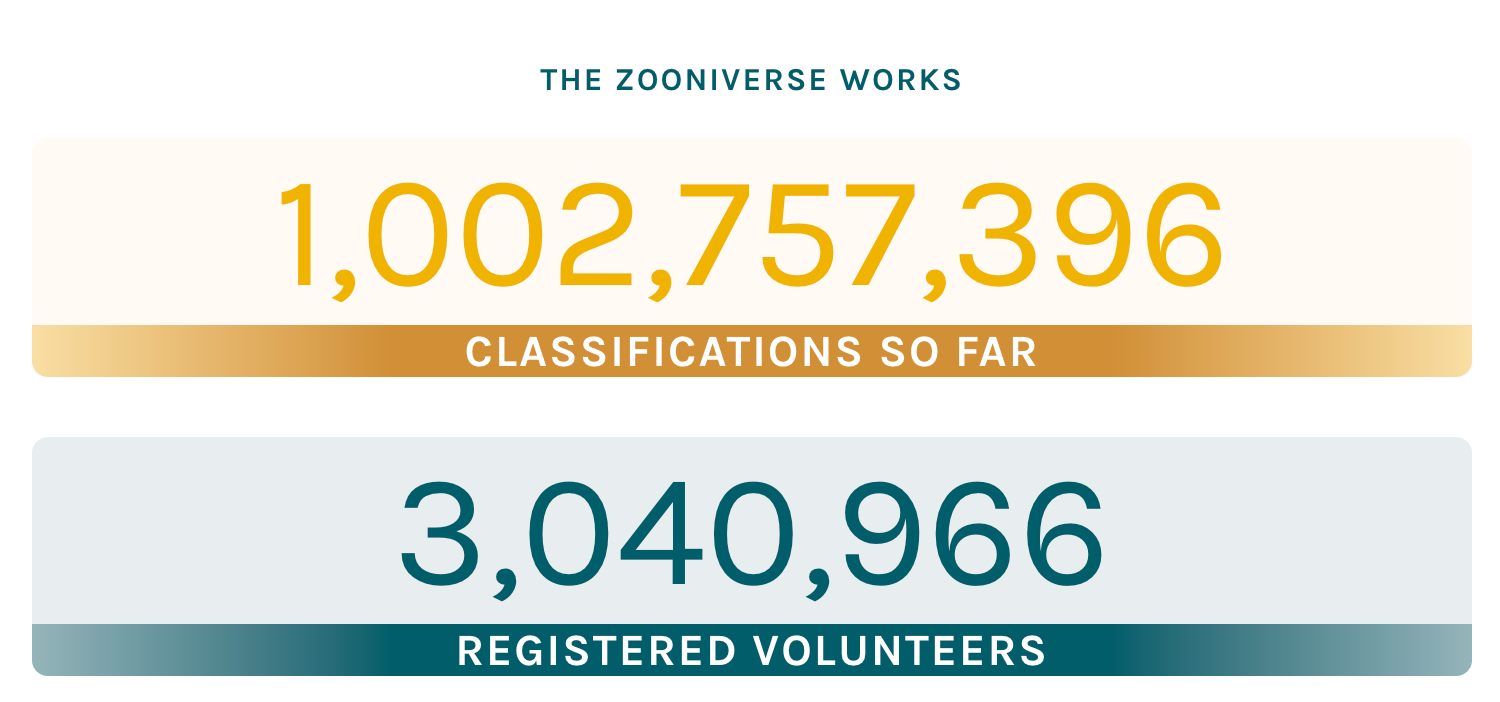
Today it’s called the Zooniverse, where 3 million registered volunteers have made over 1 billion classifications through exciting games, letting anyone participate in science without needing a PhD, yet also helping scientists complete research that otherwise wouldn’t be possible.
So you now have a fantastic excuse to take a break and play some games for a while!
Three new flower discoveries


The first is hemiparasitic (which means it photosynthesizes on its own but needs a host plant for water and minerals), and it was found in California by chance when researchers were looking at community scientist photos uploaded to iNaturalist and realized it had enough unique characteristics to be designated as a new species.
The second is a whimsical orchid found in the Philippines with less than 10 mature specimens ever being documented, with such a cool shape and pattern that it almost looks like it wants to have a conversation when it’s facing forward.
And the third is a passiflora that looks like a firework. It was found in the mountain forests of Peru, literally looks like it explodes open, and a woman named Sara Terreros made a beautiful illustration of it for the paper that deserves a big shout out.
What else is out there, waiting to be found?
Our community took action
👧 Mi Pc is starting a local union to fight child poverty, expanding on a national union, and launching this September.
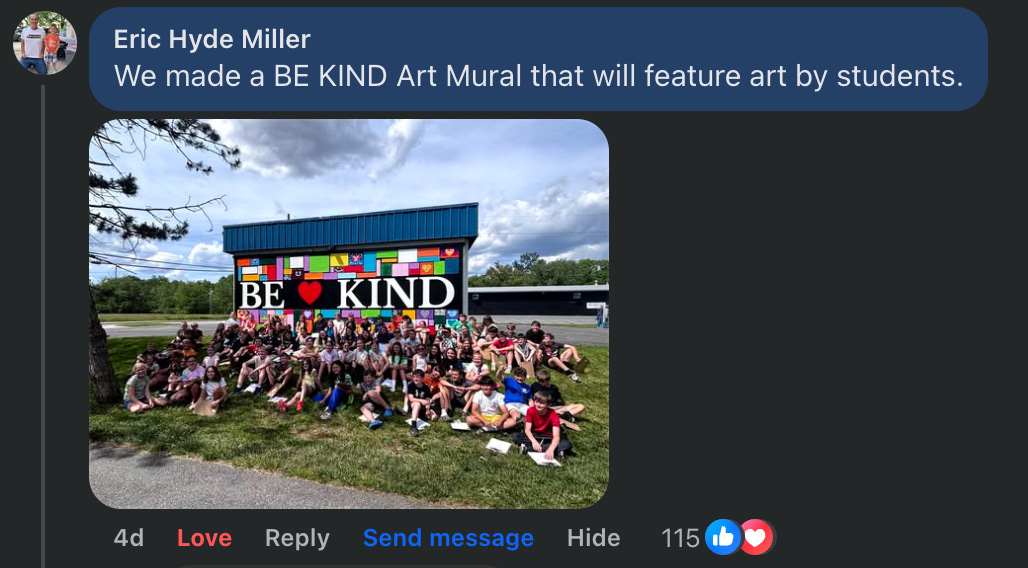
🖼️ Eric Hyde Miller helped create a giant BE KIND art mural made up of student art.
🦋 EmilyLovesStories created a “pollinator pocket” in their garden that they’re calling a polly pocket.
What about you?
+ Bonus stories!
🔋 Delhi, one of the most polluted cities in the world, is finally starting to clean up its act with a $2.5 billion electrification shift, which includes future bans of many fossil fuel-powered vehicles.
🪼 An invertebrate called a sea squirt found in Antarctica might hold the key to treating melanoma. (Yes, I realize this was a ridiculous sentence to write). It’s toxins have been shown to kill melanoma cells in mice, and researchers are optimistic as it didn’t kill the treated mice.
🛤️ Switzerland continues to prove that adding solar panels the the empty spaces in between train tracks is a genius way to generate clean power, using the land that’s already just sitting there and doing nothing most of the time for something good.

Thanks for reading! This newsletter was written by Jacob Simon. Over 1.5 million people are in our community across Instagram, TikTok, and YouTube. You can say hi on LinkedIn, or by hitting reply. Brand illustration by Andrea Miralles. Thanks for helping spread some positivity, and see you next week for more.
So impressed! But why I am I not surprised? It was about time and I am very pleased with the demographics and completion.
Should have taken front and center stage and in a normal world had a 2 week news cycle.
Well done!