

This firework flower was extinct for 58 years until two Beans rediscovered it.
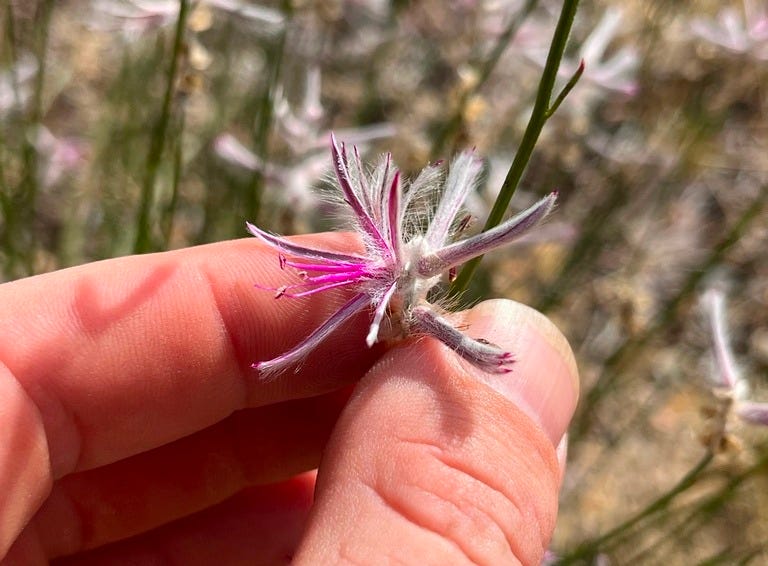
The first Bean is Aaron, who’s in a remote corner of Australia looking for birds when he spots a small shrub with bright pink flowers that looks like an explosion of feathers frozen in time. He snaps a few photos with his phone and once he regains service, uploads it to a community science app called iNaturalist where anyone can upload pictures they take of the natural world.
Then, our second Bean Anthony enters the picture, who’s a botanist that actually named this very flower species 10 years ago, but only based on dead samples since no living ones existed. Scrolling through the app, Anthony instantly realized that Aaron, who shares his last name but no other relation, just re-discovered the Ptilotus senarius.
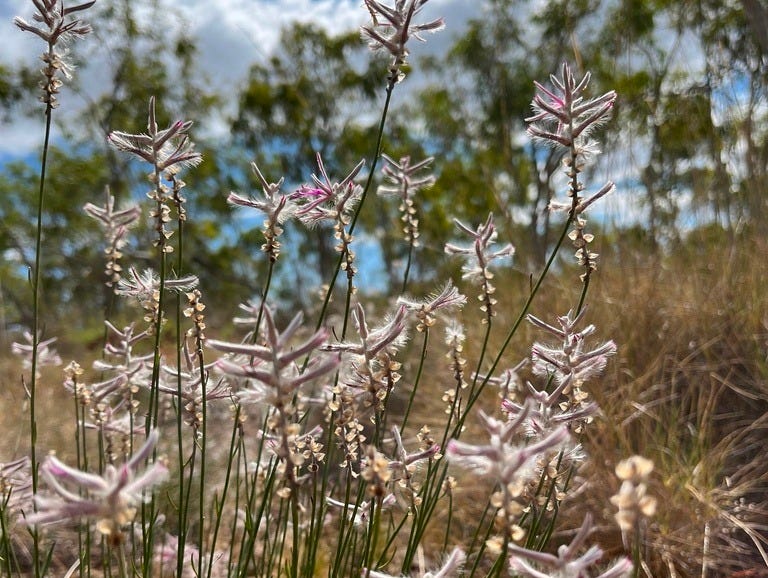
Then, a local landowner was willing to gather a sample, send it into the lab, and it was just officially confirmed, promoting the species from “extinct” to “critically endangered” which unlocks legal protections to help bring this beauty back to its former glory.
And it all started with just a snap of a smartphone photo, as citizen science continues to rise in popularity and be a useful data resource for scientific discoveries.
So, what cool piece of nature have you spotted lately?
Hey fam, I know there’s a lot going on in the world right now. They want us to be overwhelmed by all the bad stuff so we don’t take action, but we can’t let them.
In the midst of all the chaos and negativity, this newsletter serves as a reminder that good things are still happening. And it’s up to us to keep those good things going.
Take care of yourself, enjoy time with loved ones, and remember the better future we’re fighting for.
“We must accept finite disappointment, but never lose infinite hope.” - Martin Luther King, Jr.
What’s still going right in the world?
Community backlash caused at least 25 data centers to be cancelled last year
Another 99 are also currently being contested by local residents, as more people push back against these. Largely the pushback is due to the centers causing an increase in electricity prices, pollution, and water shortages, without much in return, and without the creators of them seeming to care. (Robinson Meyer|Heatmap, Ece Yildirim|Gizmodo)
70% of cancer patients in the US now survive at least five years after their diagnosis.
This is the highest rate ever recorded by the American Cancer Society! And it largely thanks to better research, detection, and treatment, with lower levels of harmful activities like smoking. (Jackie Flynn Mogensen|Scientific American)
Activism is actually help fight the loneliness epidemic
According to several folks of all ages talking with The Guardian who joined social movements to help improve the world but found a strong sense of community, larger purpose, and stronger connections in the process (Whitney Bauck|The Guardian)
This teen is building backyard bird boxes
Need another reason to get a pet?
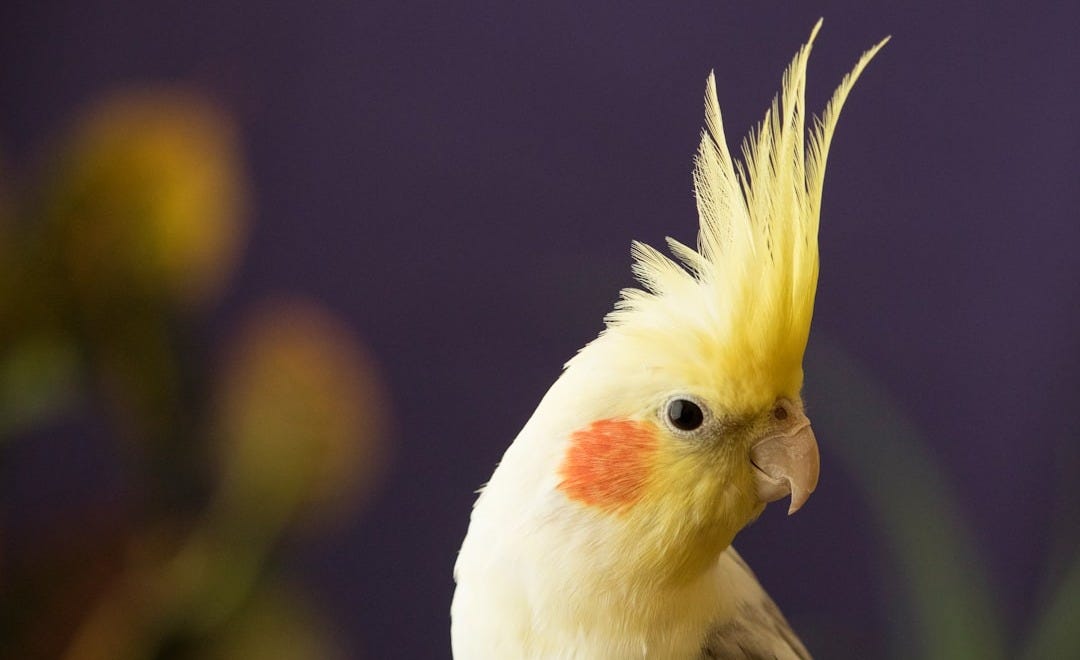
When Aamir Tinwala was 12, he begged his parents for one until they let him get a bright yellow cockatiel.
Aamir trained Koco and loved her so much that he began to research her species, and then other wild birds where he lived in Texas, learning how they pollinate plants, disperse seeds, and control insects. But after finding out that North American bird populations have decreased by 30% since 1970 thanks to urban expansion, he knew he had to do something.

So he used online tutorials to teach himself how to build a wooden bird shelter, also called a nesting box or birdhouse. He placed it in his backyard for traveling birds to stop in and safely rest, before deciding to do it again and again, building 750 so far while teaching his neighbors how to build their own.
Now in High School, his Backyard Bird Project has grown around the US and the world, connecting people with native wildlife while providing resources to create boxes tailored to specific regions based on local bird sizes and preferences. And what began as some wood and nails in his garage, has evolved into an inspiring movement of people who realize they can make a difference even from their home.
Would you put a bird nesting box in your backyard?
January 2026 recap
How is this month over already?! I made a video recap on 10 good things that happened over the past four weeks, which includes:
The High Seas Treaty signed by 145 countries to protect ocean biodiversity in international waters finally entered into force.
Despite last-minute lobbying, Amsterdam banned public ads from damaging products like fuel and meat.
While the UK banned junk food ads on TV before 9pm and completely online to combat childhood obesity.
A community scientist rediscovered a flower deemed extinct for 58 years by uploading a photo while looking for birds.
Stingless bees became the first insects to get the legal right to exist, thrive, and be represented in court if harmed in regions of Peru.
The tallest vertical farm in the world opened in Singapore, growing lettuce in a made-to-order model.
The first documented case of a cow deliberately using a tool happened by this icon named Veronika.
And our community crocheted blankets for foster children and the homeless, made food and hygiene bags for families in need, accomplished their dream of graduating college,
And more :)
But wait, there’s more…
🚫 a_insta_v from our community saw a town in Illinois veto an AI data center close to schools, with many of those folks now joining their town in fighting against another.
🪧 Protests are on the rise and more people get involved in pushing back against the US government’s illegal and immoral actions. (Lex McMenamin & Andrew Witherspoon|The Guardian)
🥯 Some bagel shops and other similar businesses are saving money with plug-in batteries, meant to maximize grid prices and use cleaner energy. (Maria Gallucci, Jeff St. John|Canary Media)
Let us know what other stories or actions are worth knowing about this week!
This newsletter was written by Jacob Simon. Over 1 million people are in our community across Instagram, TikTok, and YouTube. You can say hi on LinkedIn, or by hitting reply. Brand illustration by Andrea Miralles. Thanks for helping spread some positivity, and see you next week for more.
Love this story about community science in action. The whole loop from casual observation to taxonomic confirmation shows how democratized biodiversity monitoring has become. iNaturalist basically turned anyone with a phone into potential field data, which is pretty wild when you think about legacy botany workflows.