


Without thinking about it too hard: do you remember anything good happening in October?
I hope the answer is yes, but if not, you’re not alone. Thanks in part to the “negativity bias” where positive information doesn’t impact us as much, and also because it just isn’t reported as often, we may feel like nothing good happened.
But of course, this newsletter is here to prove that wrong, and inspire us all to create more good news of our own.
Enjoy this recap of some of the best underreported stories from last month, and some more great things that have already happened in the first week of November!
BTW - if you haven’t seen our pilot Community Project episode yet — where I help Roopa rescue food waste, turn it into a delicious meal, and take action with an awesome group of people — watch it now!
October 2025 Recap
🐋 Humpback whales have bounced back to an estimated 20,000 more than pre-whaling levels in Eastern Australia.
🎨 2,000 artists got $1,500 a month with no strings attached in Ireland’s program that had such a big return on investment, they’re now expanding and making it permanent.
💡 New data showed the world’s biggest electricity source is now renewables instead of coal.
🇮🇹 Italy became the first European country to make harmful deepfakes illegal, giving up to 5 years in prison for manipulating content to cause harm.
🌊 The UN High Seas Treaty to protect international waters reached 75 countries, finally enough to become legally binding in January.
🧑⚖️ Kenya’s Chonyi community won a court case to stop a company from bulldozing their sacred caves for cement production.
🦇 The 1,500th bat species was officially discovered by a student on an island volcano in Equatorial Guinea.
🌐 A new “search engine for life” with more entries than all of google’s webpages is sharing data between species and studies for new discoveries.
🐦 The bird photographer of the year was awarded to Liron Gertsman for this stunning figatebird (fri-guht-brd) in front of a solar eclipse.
🤝 And our community created a little seed library, started a program for students to donate unwanted items on move out day, replaced invasive plants with native pollinator gardens, and much more.
And now onto November:
Tribal youth are freeing rivers around the world

One year after the Klamath River had the largest dam removal in US history bringing all sorts of wildlife back to the ecosystem, tribal youth have reclaimed their ancestral waters and are helping others around the world “free their rivers” by sharing information and serving as a model for successful collective action. (Gabrielle Canon|The Guardian)
Free childcare for all in New Mexico

As of the first of the month, all children in New Mexico are getting free childcare, helping families deal with rising costs while ensuring young children can get quality care, increase their education, and boost well-being levels. (Andrew Hay|Reuters)
Solar canopies are now required in South Korea’s parking lots

A new law in South Korea requires all parking lots with 80 or more spaces to install solar panel canopies, in a win-win situation that will protect cars from bad weather and extreme heat while generating cheap power without needing any more land. (Jo Borras|Electrek)
6-year-old Oliver chose protecting tigers over getting toys for his birthday
When Oliver learned tigers were endangered from a bedtime story his mom borrowed from the library, it was all he could think about, hatching a plan to travel to the tigers to watch over them and make sure no one hurts them.
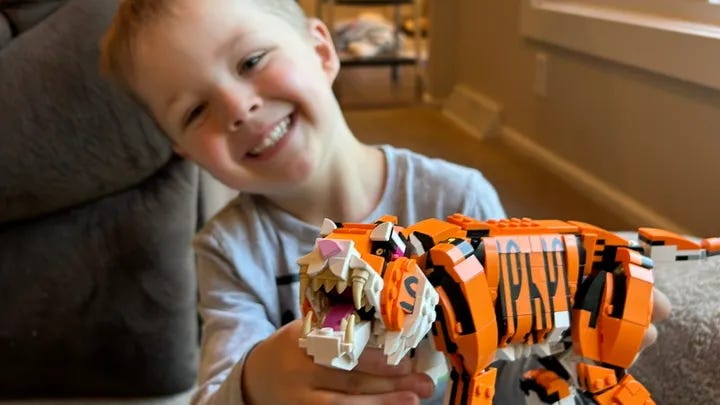
His mom wanted to make his wish come true, so they agreed on a more practical solution, by setting up a donation page for a global wild cat conservation organization called Panthera. They set their goal at $100, but quickly ran past it thanks to local news coverage, then getting noticed by GoFundMe, and finally the organization seeing the story and sending him a shirt to celebrate his wish.
The funds he raises will help protect tigers and their habitats across Malaysia, Thailand, and Southeast Asia, while fueling Oliver’s ambition of being a zoologist when he grows up. And they’ve raised more than 14 times their initial goal, proving that any of us with passion and a plan can help make a positive difference.
30 new ocean species just dropped, including the carnivorous “death ball sponge”
Out of the 1-2 million species that live in the ocean, we’ve only documented about 10% of them, meaning the vast majority of life down there is a complete mystery to us. So each of these unique and alien-looking creatures increases that number.
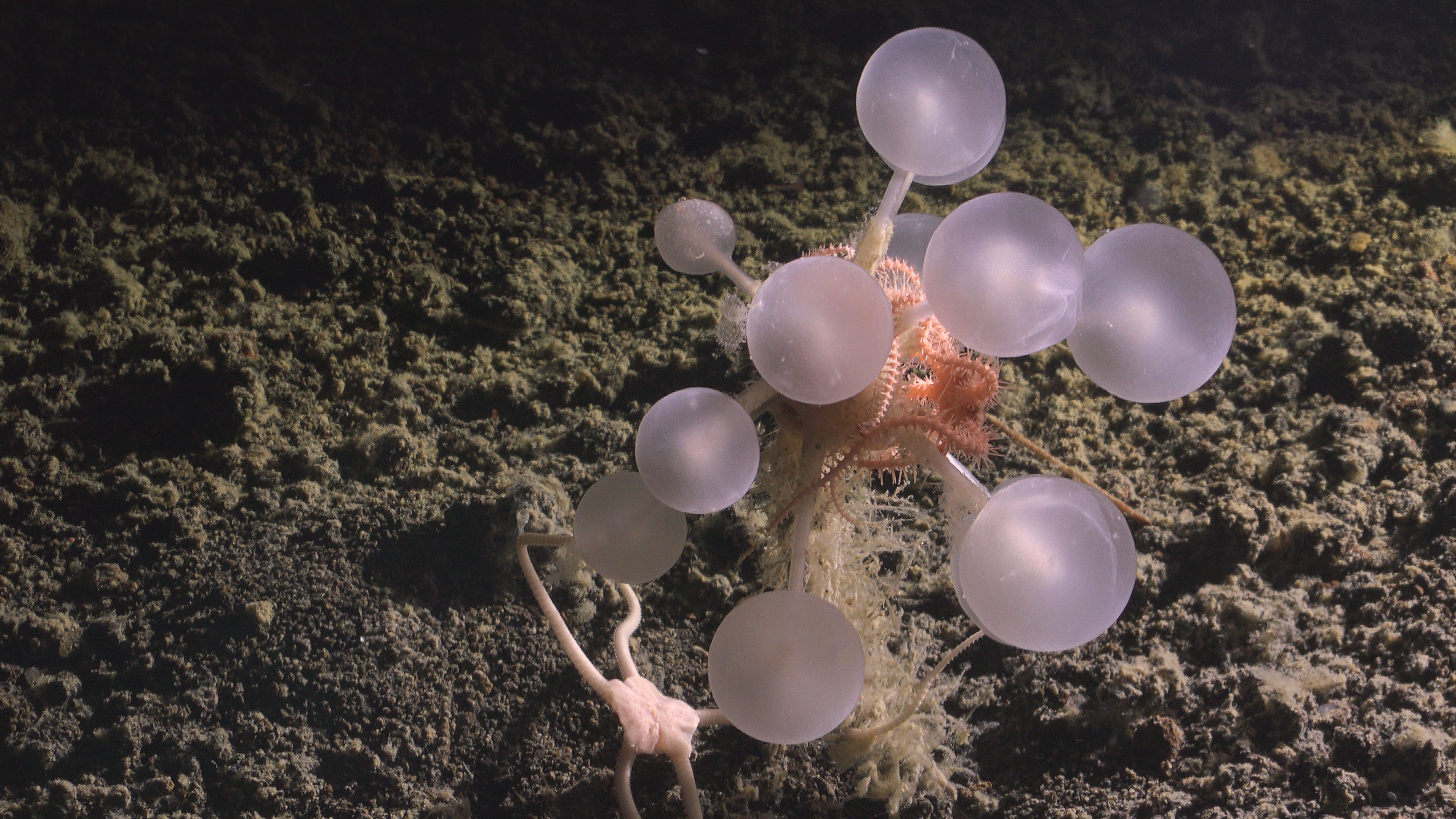
Some more worth calling our are zombie worms which don’t have a mouth or gut, and perhaps the most massive sea star I’ve ever seen. Each of these unique and alien-looking creatures increases our knowledge and chances of protecting marine life.
All of these were found on two expeditions to the South Sandwich islands and an Antarctic iceberg, diving down thousands of feet as part of The Nippon Foundation-Nekton Ocean Census mission to accelerate the discovery of ocean life, run by a global alliance of scientists.
By finding over 800 new species so far, they’re aiming to decrease the 13.5-year average time it takes to classify them, while leading to potential breakthroughs in medicine or materials, and since we can’t protect what we don’t know, the race is on to find all the life we can to know how to preserve it. Big props to these researchers for their dedication in demystifying the natural world!
The newsletter was written by Jacob Simon. Over 1 million people are in our community across Instagram, TikTok, and YouTube. You can say hi on LinkedIn, or by emailing jacob@jacobsimonsays.com. Brand illustration by Andrea Miralles. Thanks for helping spread some positivity, and see you next week for more!
I just joined Substack yesterday and still trying to navigate it, but I can tell you right now - I love The Hopemakers! Thanks!