


When a man challenged the world to create a tracker light enough to live on a Monarch butterfly, it seemed impossible… but a lot can change in a decade.
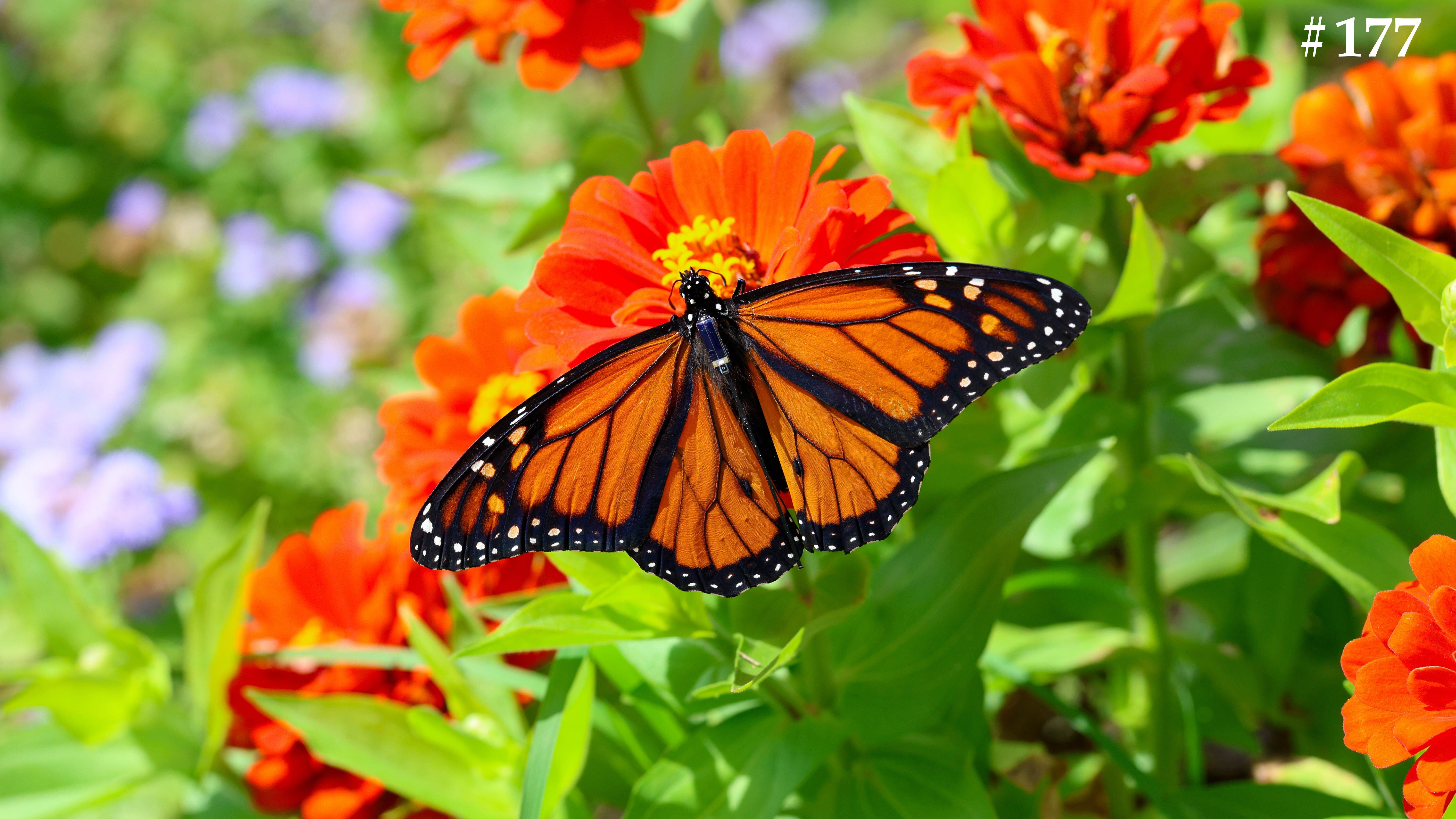
Conservationists use behavioral data to understand and protect species, particularly now that many insects are quickly declining. So 20 organizations in four countries came together across borders to find a way of getting real-time data on the travel patterns of the iconic butterflies.
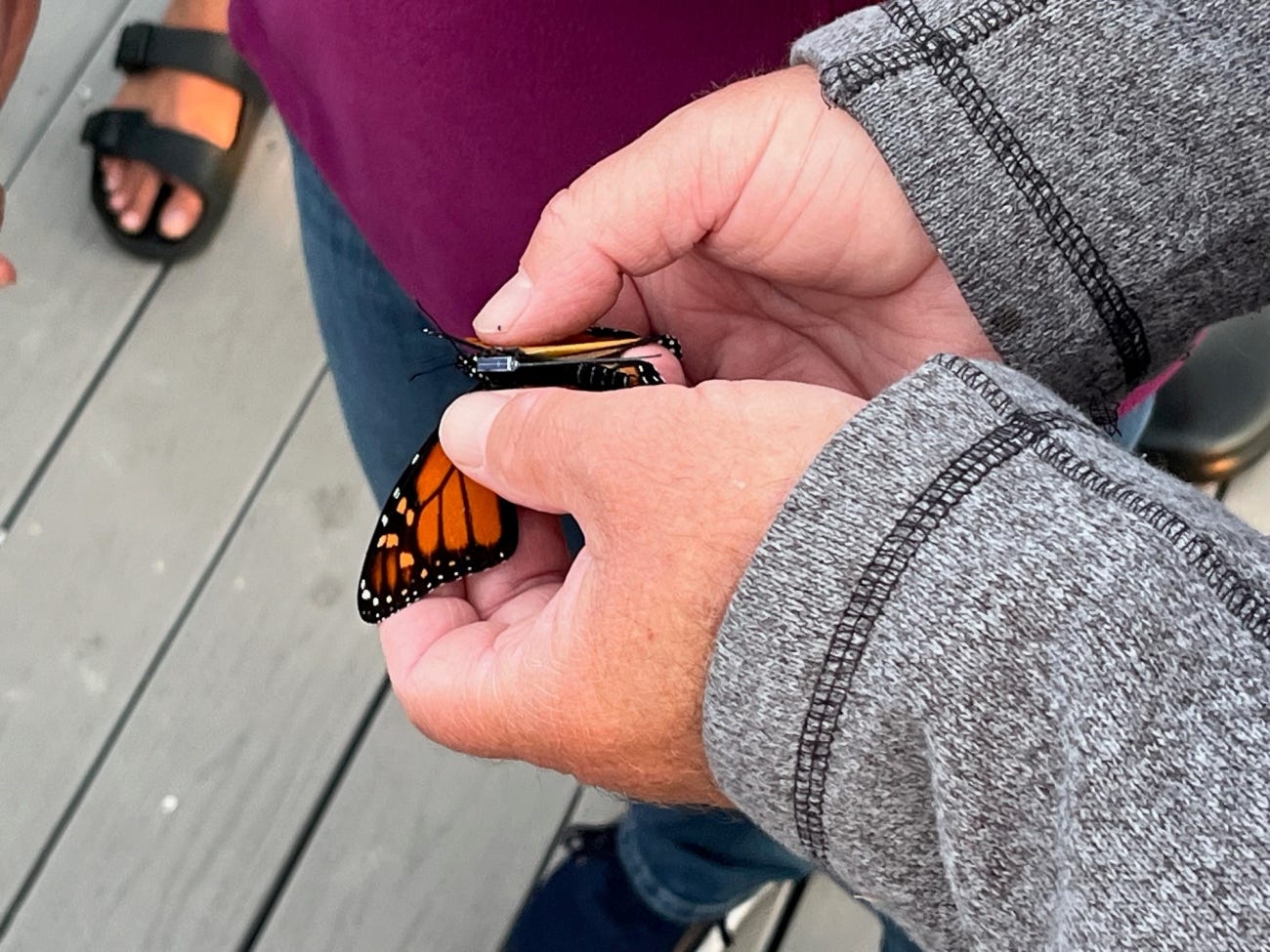
But since they weigh less than a gram, a tracker would have to be as light as just two grains of rice, which didn’t exist when Mark Garland raised the idea back in 2015. Yet a new chip development, a tiny custom solar panel, and community scientists made this radio tag possible.
Connecting through an app called Project Monarch Science, anyone with a smartphone can detect signals within 300 feet of the animals, meaning the more people that download the app, the more accurate the data will become.
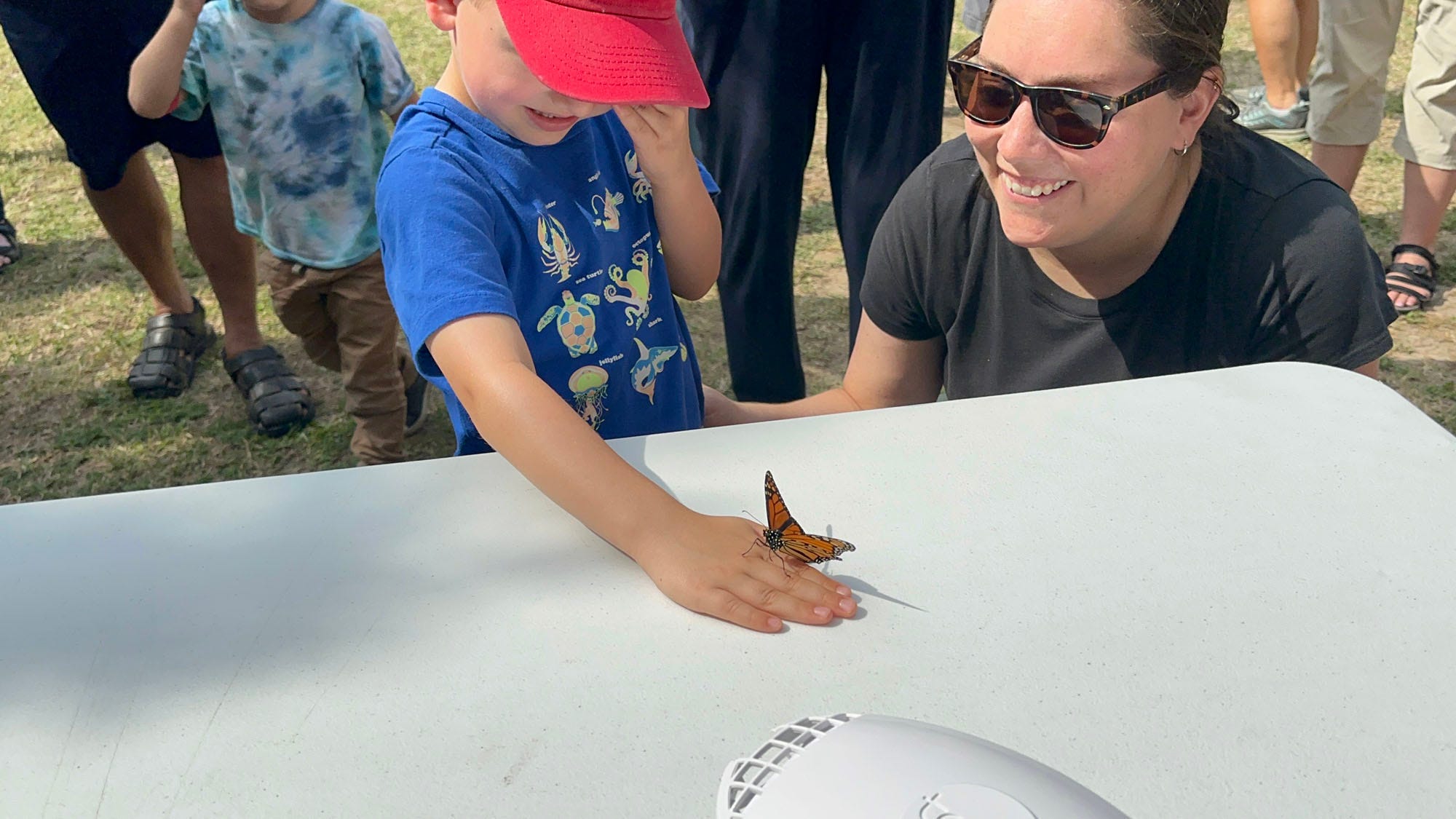
More than 400 tracked butterflies have been deployed so far, as they migrate from Canada and the Northern US down to Mexico, while researchers collect and study the unprecedented data to determine what comes next.
It’s only happening because of a bold challenge and incredible teamwork, but maybe this can help us truly understand these insects?
And now, enjoy seven of this week’s underrated stories of progress:
7. Saving a dying Indigenous language

With only 8 fluent speakers left of a “critically endangered” Indigenous language called Nyiyaparli, a smartphone game called Nyiyaparli Widi was developed to attract kid’s attention and keep this Australian First Nations language alive forever. It’s early success has won it five international awards as they plan to add more words and languages to preserve these important native cultures. (Charlie McLean, Mietta Adams|ABC)
6. Nature keeps its constitutional right to exist

Nature’s inherent right to exist is remaining in Ecuador after citizens voted against a proposal that would rewrite their constitution. Nearly two-thirds of voters opposed the change, meaning they are keeping the world’s only constitutional recognition of the rights of nature to exist and regenerate. (Katie Surma|Inside Climate News)
5. Animals evolved to kiss 21 million years ago
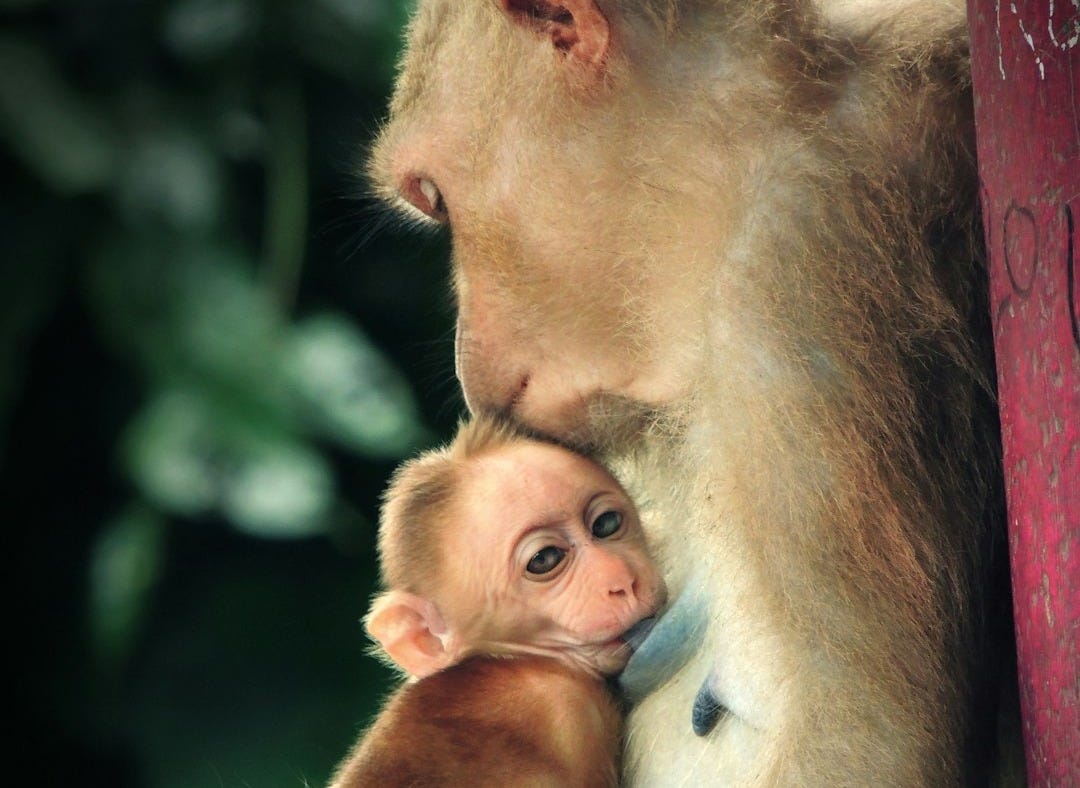
You read that right! Mouth on mouth kissing dates back about 21.5 million years, per a new study. Scientists found that kissing probably evolved first in large apes, and they aren’t sure why yet, but leading theories suggest it helped assess health and compatibility of a partner, or it was a part of the grooming process. Despite what we may think, humans aren’t even close to the only kissers out there. 😘 (Victoria Gill|BBC)
4. Fungus is the new mosquito repellant?

A tweaked fungus that produces an irresistible smell to mosquitoes could be a new form of insect repellant. This more natural option could replace or enhance current methods by attracting the bloodsucking insects into a trap that’s 90-100% effective in lab experiments without needing toxic chemicals. (Jason P. Dinh|NYT)
3. A famous chopped down tree lives on

The famous Sycamore Gap tree that was illegally chopped down in 2023 will now live on with 49 saplings known as “trees of hope”. These were grown from seeds of the original tree, now being planted on important sites around the country to be symbols of remembrance, resilience, and empowerment. (Mark Brown|The Guardian)
2. Free buses work
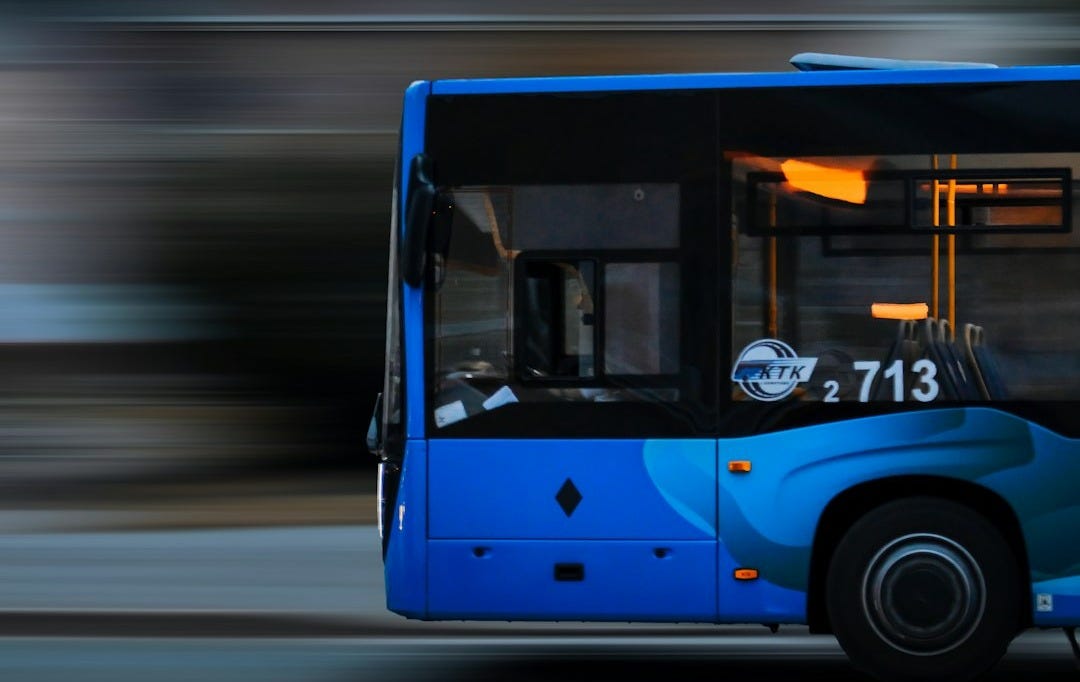
Two years after Iowa City made their buses free to ride, the program was so successful at increasing ridership and cleaning up the air that they’ve extended it for at least another year, helping more people get around the city faster. They covered the bill with a 1% increase in utility taxes while raising parking car rates from $1 to $2. (Cara Buckley|NYT)
1. 🤝 Our community took action
🔪 bun_superior convinced their college to switch to reusable dissection models instead of disposable specimens.
💪 _trisha.m_ turned 17, got their first job, and is overcoming hardships to continue charging forward.
What went right in your world this week?
+ Bonus stories worth knowing
🌾 Agricultural drones appear to be the future of farming.
🪧 A huge climate protest temporarily shut down one of the world’s biggest coal ports.
🔫 This nonprofit is destroying guns and turning them into gardening tools.
This newsletter was written by Jacob Simon. Over 1 million people are in our community across Instagram, TikTok, and YouTube. You can say hi on LinkedIn, or by hitting reply. Brand illustration by Andrea Miralles. Thanks for helping spread some positivity, and see you next week for more!
Thnk you so much. It's lovely to be reminded of all that is right with the world
I read this after a particularly brutal political newsletter. You soothe my soul, Mr. Simon!