

Hey fam,
Over the weekend, I escaped into the woods with my partner. Waking up to birds chirping and trees swaying (and absolutely no honking or screaming) is not what I’m used to in NYC, so it was the perfect reset.
I also got to try out all sorts of fun activities, including cyanotype or sun printing!
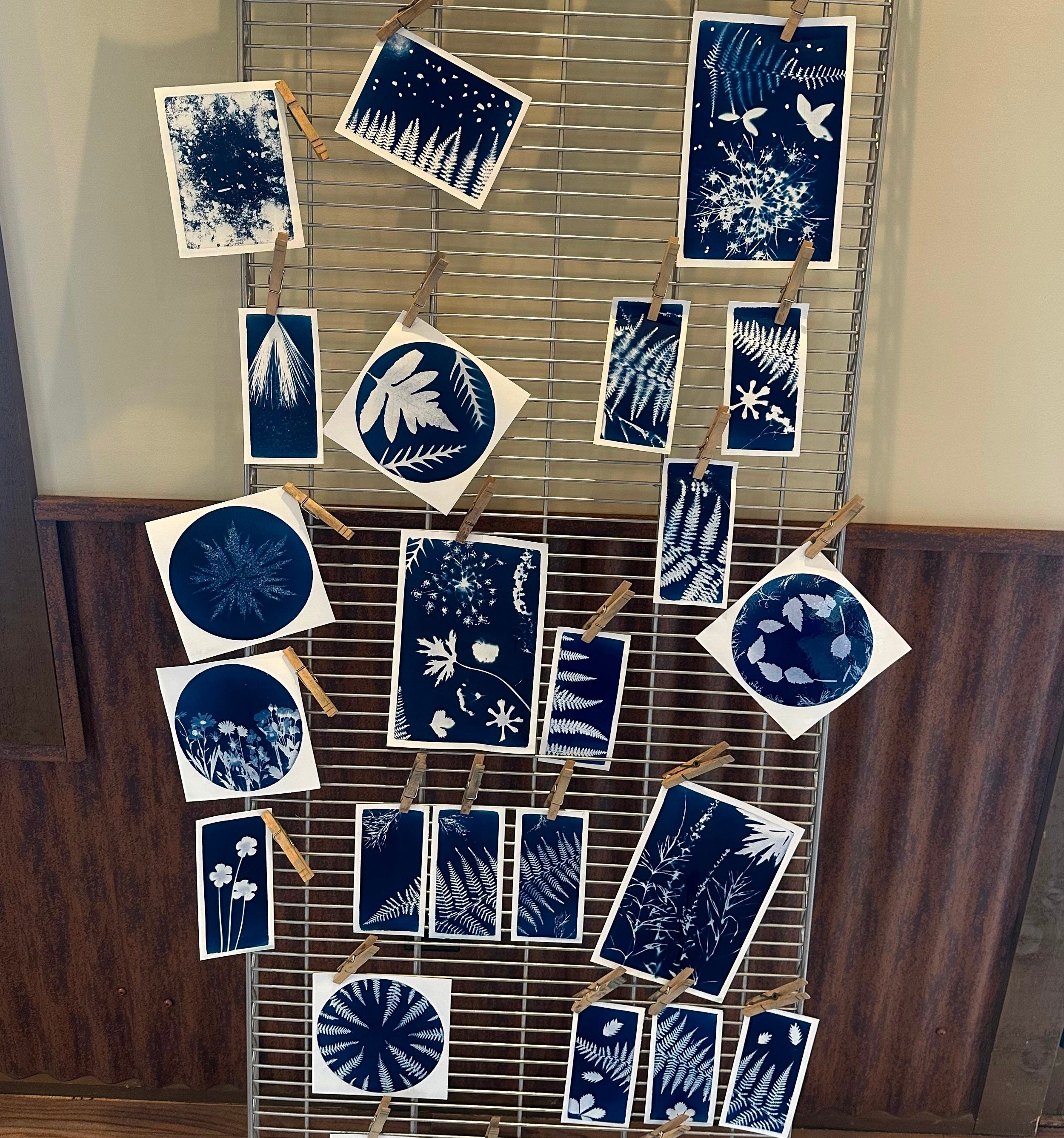
We used leaves and flowers plus the power of the sun and some chemical reactions to create artistic prints. It turned out so well that I’m gonna figure out how to recreate it at home! If you’re interested in learning how too, let me know.
And now, enjoy some stories of progress from this week, and have a great weekend!
The scientist using mushrooms to eat toxic pollution
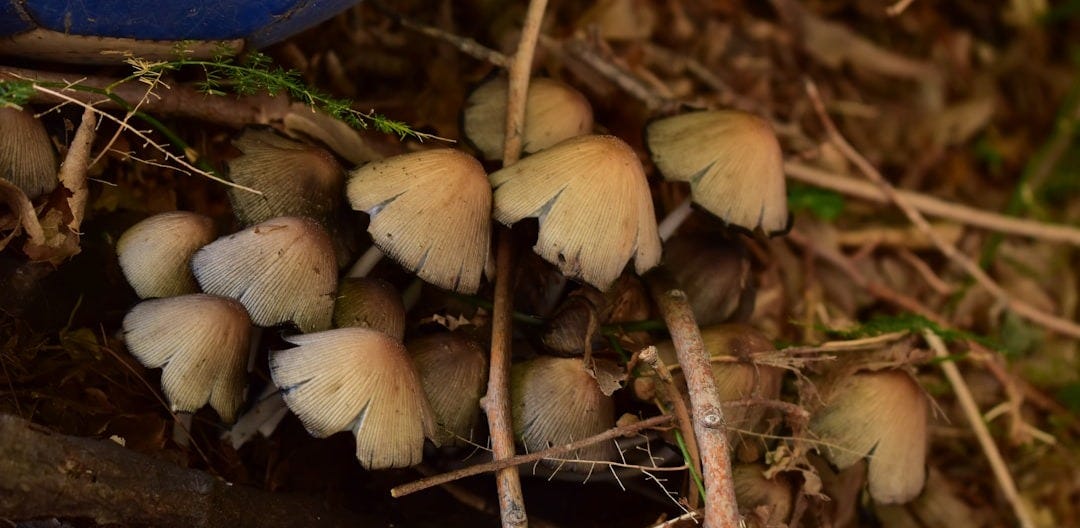
After growing up near a river that caught fire from oil spills and then seeing fungi growing in abandoned factories, scientist Danielle Stevenson connected the dots and started experimenting with mycoremediation (or bioremediation). This uses the natural process of fungi mycelium breaking down and absorbing toxic or dangerous chemicals to clean up polluted lands & waters, and turn them into something safe & useful for the community. Is this the future of cleaning up toxic areas…? (Lauren Oster|Smithsonian, Richard Schiffman|Yale e360)
Watch the full video I made on this for more! (I originally covered this story last year, but thought it was worth re-telling for most of you who haven’t seen it yet.)
Five new species worth knowing
Over 300 new species are discovered every week on average, and here’s five new standouts that are worth learning about:
A spider impersonating a fungus
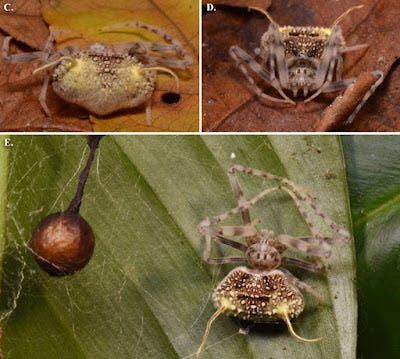
In 5th we have a spider that impersonates a fungus, which is the first documented case of this type of biomimicry in the world. It was found in the Ecuadorian Andes, and the researchers actually thought it was a cordyceps mushroom until they touched it and it moved.
Fiery flowers
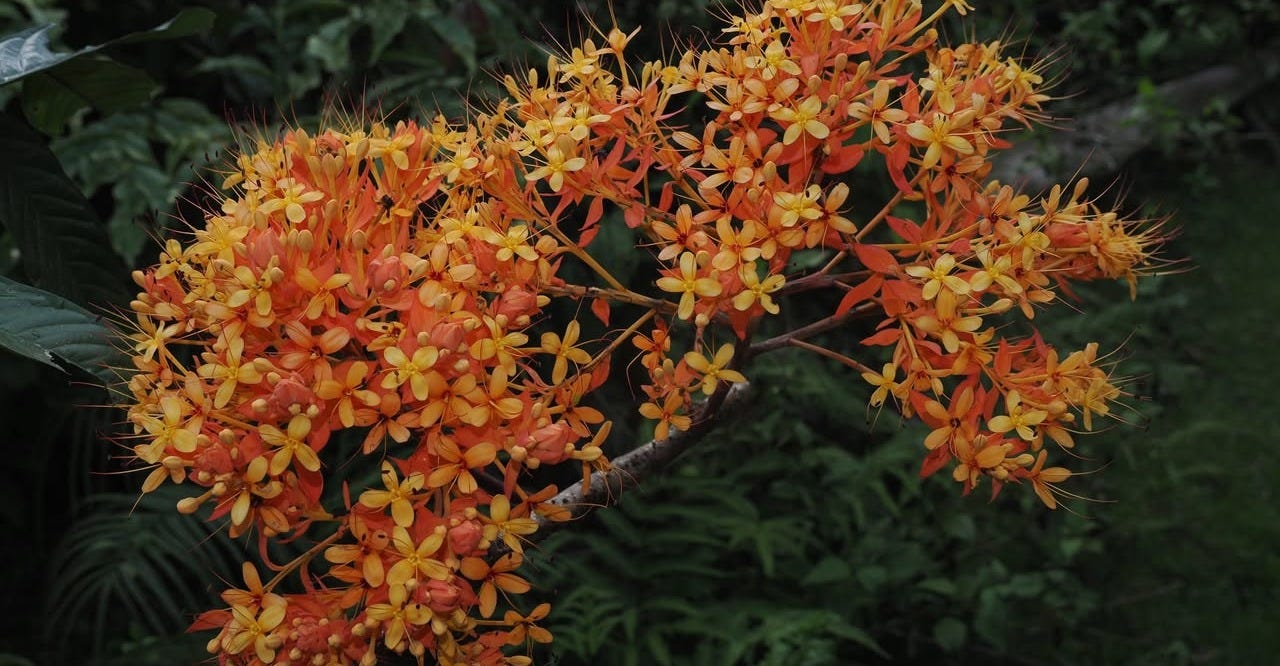
In 4th is this striking orange and yellow flowering plant which was discovered in Laos and had some hollowed out twigs with ants living inside them.
Two very similar songbirds
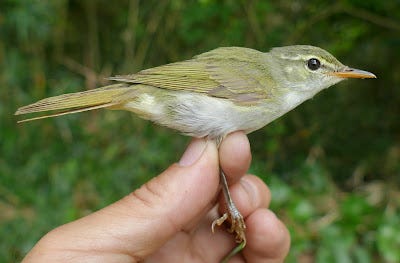
In 3rd is actually two yellow migratory songbirds found on two different Japanese islands which are quite similar physically but have different birdsong. After testing it was confirmed that they’re genetically distinct too, yet both are likely both vulnerable, partly since island species often go unnoticed.
Cave-dwelling crab with unusually long legs
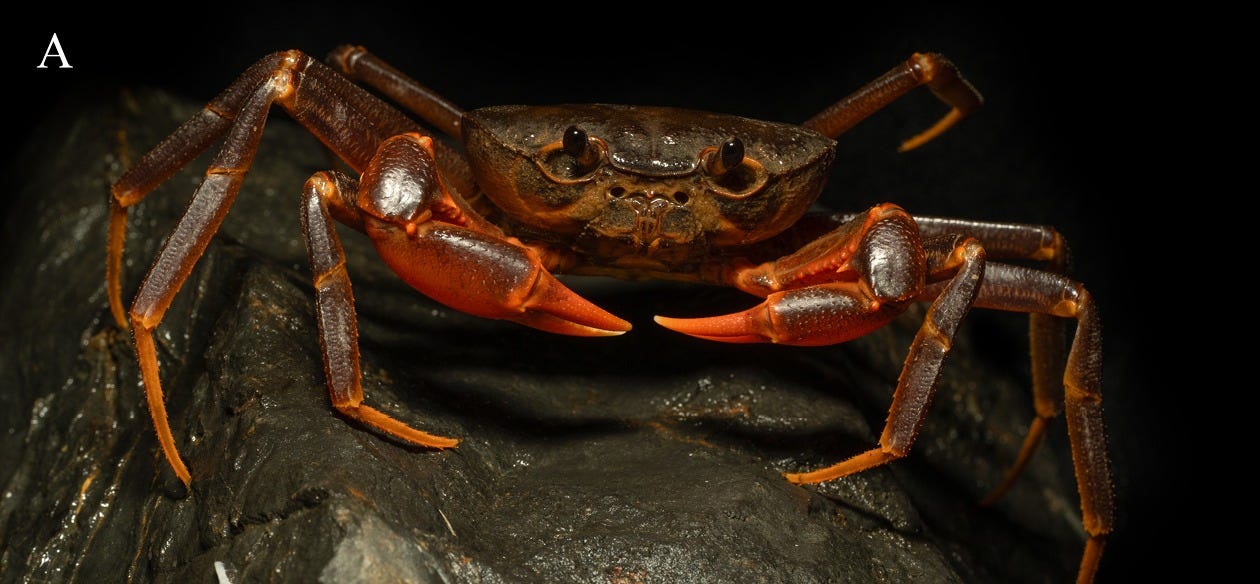
Our runner-up is this cave-dwelling crab with unusually long legs in Malaysia, which likely belongs to a new genus and gives another reason why these caves must be protected from mining.
A glassfrog from a “hidden world”

Last but not least is this glassfrog that looks like it knows something we don’t. It was found in a “hidden world” along with many other unknown species in Ecuador back in 2017 but it’s now officially described, and likely evolved around 4.5 million years ago.
Which is your favorite?
What else is going right?
🎟️ Live Nation, the parent company of Ticketmaster, was found to be an illegal monopoly by a jury, meaning penalties and a potential breakup are on the horizon.
🍟 Norway has banned junk food ads to protect children’s health.
🚌 Ho Chi Minh City, Vietnam’s most populous with 14 million people, is making busses free for all.
🦬 Bison that have been released back into the wild in Romania have increased the plant biomass by 30% through grazing, trampling, and spreading seeds.
🌞 Watch out, solar panels. They developed roof tiles that have solar cells build right into them!
Have a win to share? Join our community chat and let us know!


This newsletter was written by Jacob Simon. Over 1 million people are in our community across Instagram, TikTok, and YouTube. You can say hi on LinkedIn, or by hitting reply. Brand illustration by Andrea Miralles. Thanks for helping spread some positivity, and see you next week for more.
Thank you.
Lovely newsletter!!!