

Hey fam - congratulations! You made it to 2026. Will this be the best year yet? I don’t know, but I do know we’ll work as hard as possible to continue pushing forward and taking action, together :)
New year, same good ol’ newsletter. But as a refresher, The Hopemakers is dedicated to finding little-known solutions, progress, and people who are building a better world and deserve more attention & support.
People like Philippe Gaboriau, who was examining the stunning pearly white interior of oyster shells when an idea struck him to give them a second life.
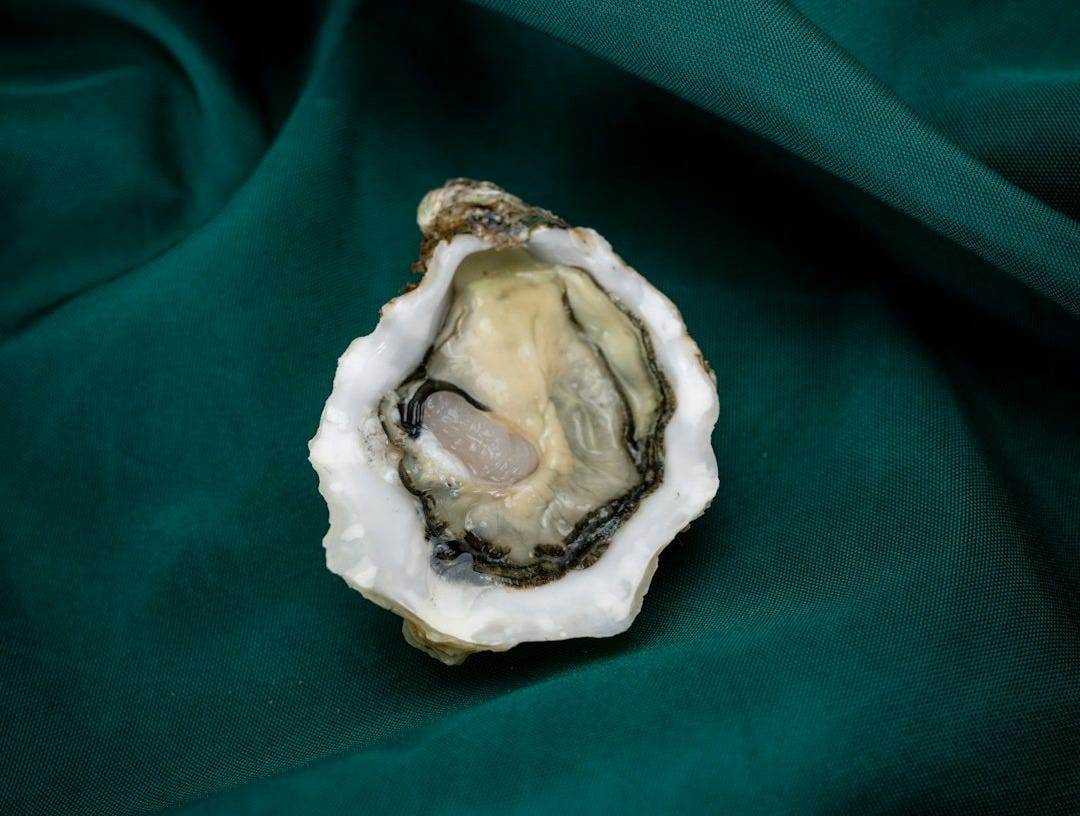
Particularly because France loves oysters, consuming an estimated 150,000 tonnes each year (!) with 95% ending up in the landfill or incinerated, wasting the material and polluting the air.
So Philippe teamed up with other innovators to create a company called Alegina, developing a process of using secondhand machinery to grind, wash, and transform the shells into a raw material that becomes paving and porcelain.
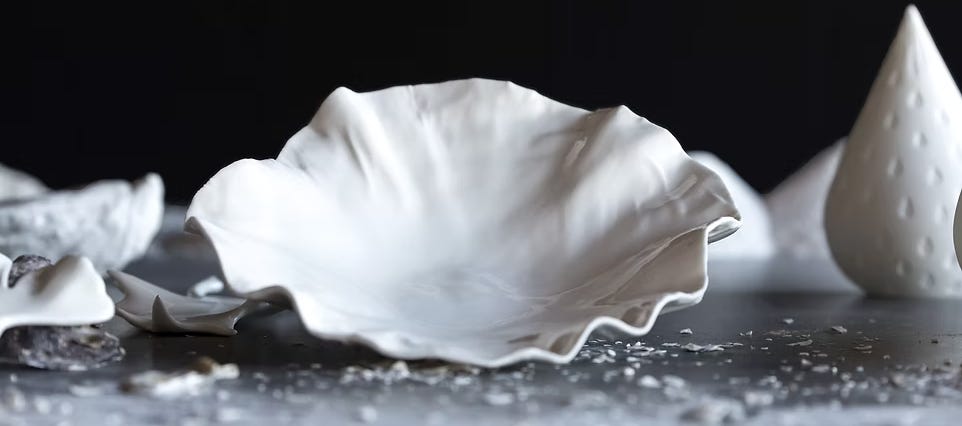
Teaming up with a master ceramicist, the team uses the sturdy yet striking raw material to shape realistic ceramic shells and tableware to use in fine dining restaurants, porous paving stones to absorb and drain groundwater, and even ocean inspired jewelry. Turning this waste product into something practical and useful in a circular economy model.
It might be a little gimmicky, but maybe this is the future of rethinking what trash can become?
This week’s underrated people, progress & solutions
6. Minimum wage gets a bump
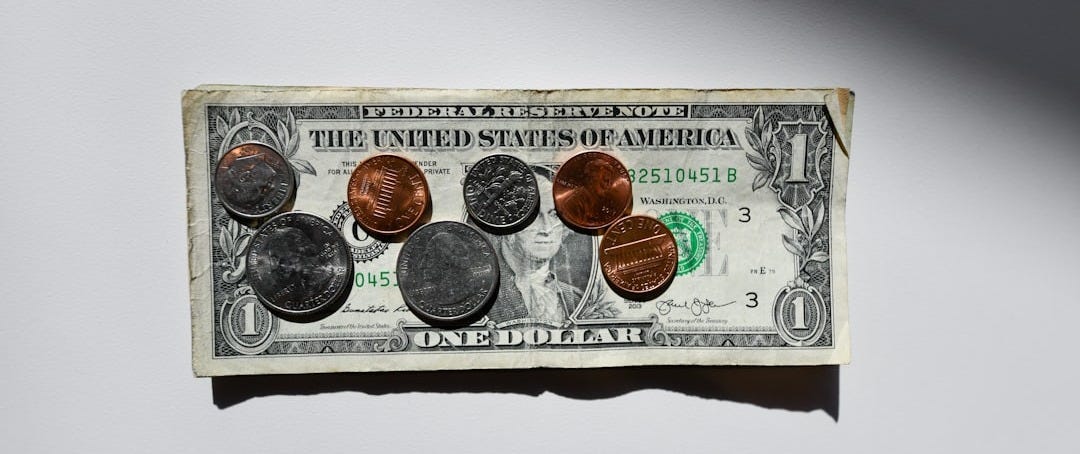
Somehow, the US federal minimum wage is still $7.25 per hour. But as the clock ticked to midnight and the year moved on to 2026, 19 states and 49 individual cities raised their minimum wages to at least $15. Impressively, many of these initiatives happened thanks to voters passing the measures on the ballot, where elected officials failed to push through. (Dave Jamieson|Huffpost)
5. The first insect to get legal rights
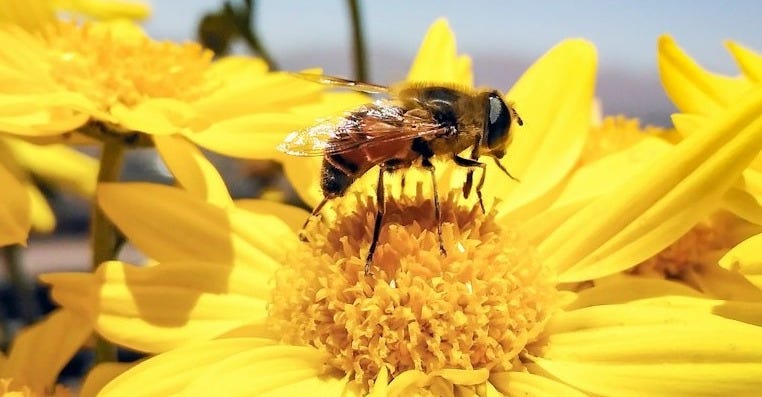
People, corporations, mountains, rivers, whales… the growing list of things with legal rights to personhood, protection, and/or representation keeps growing. Now, stingless bees have joined the party, earning the right to exist, thrive, and be represented in court if harmed. This is largely thanks to researcher Rosa Vásquez Espinoza teaming up with Indigenous people to document these key pollinators that create medicinal honey and pollinate about 80% of the Amazon rainforest’s plant species. Two regions in Peru have granted these rights amidst a push to bring them nationwide. (Damien Gayle|The Guardian, Sarah Kuta|Smithsonian)
4. France banned harmful PFAs

A ban on harmful forever chemicals called PFAs in cosmetics and clothing has entered force in France. Meaning the law has officially started, preventing the production, import, or sale of products containing the chemicals if there’s an existing alternative. This is an effort to protect the planet’s soil & water, and human health. (France 24)
3. Students made a modular car you can fix at home
This might be the last car you’ll ever need…
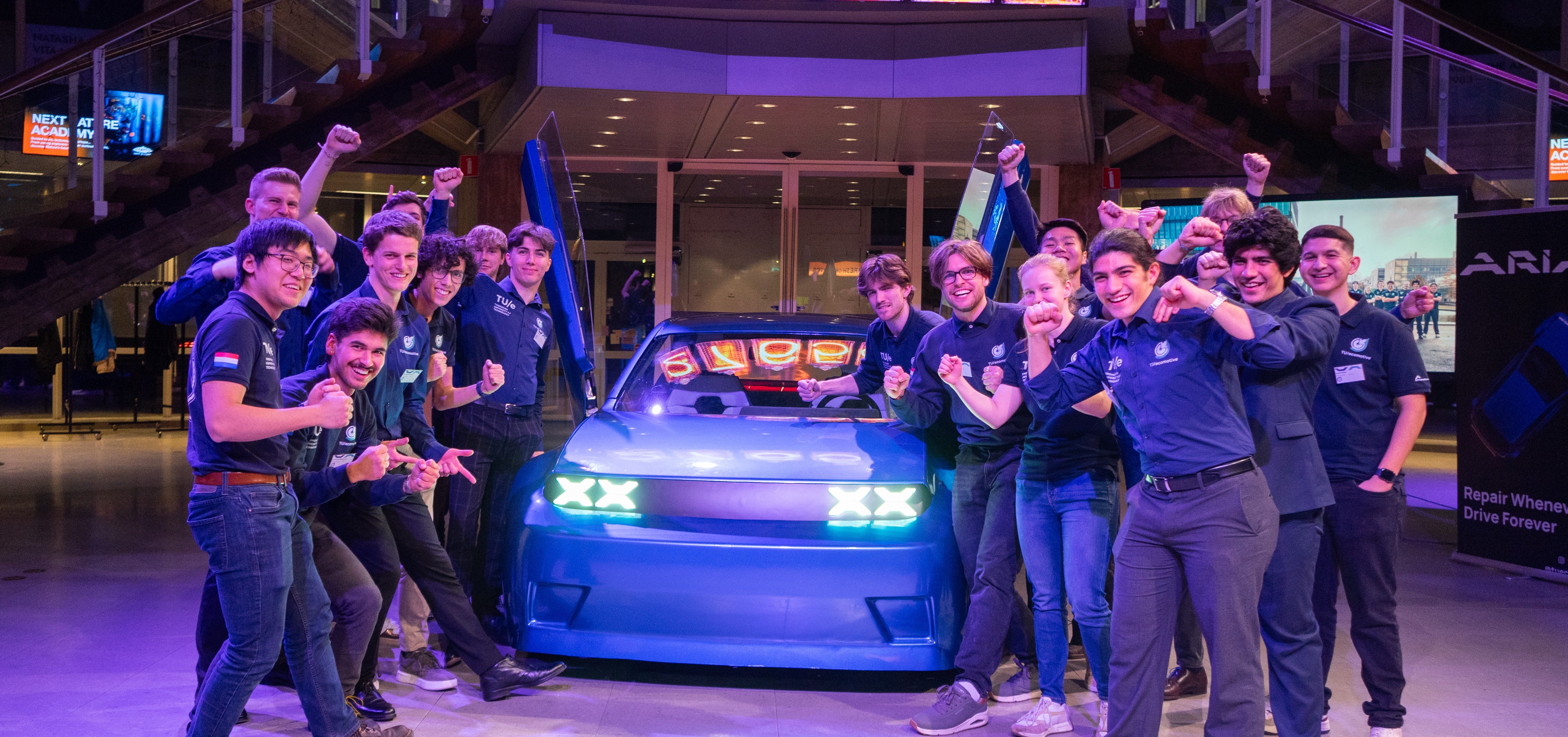
After being frustrated with so many products that now have planned obsolescence, meaning they’re designed to not last very long so we’re forced to buy replacements, students from three universities in the Netherlands decided to build a vehicle that can transform the automotive industry.
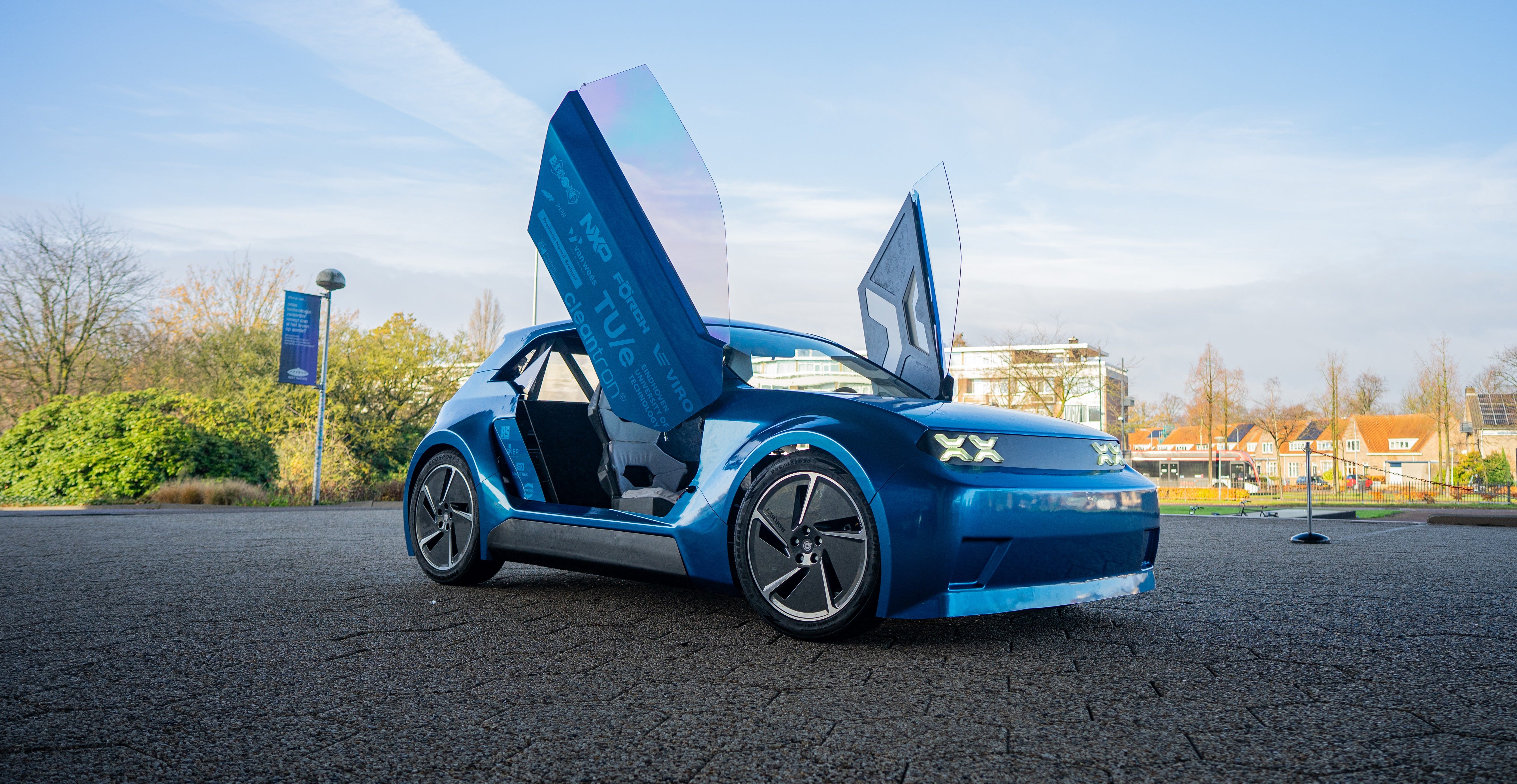
They literally called it ARIA, standing for Anyone Repairs It Anywhere. Made of separate components, users only need to replace an individual part if something goes wrong, by using the manual, normal standardized parts, and the built-in toolbox and app that walks you through the process to really make it possible to fix at home.
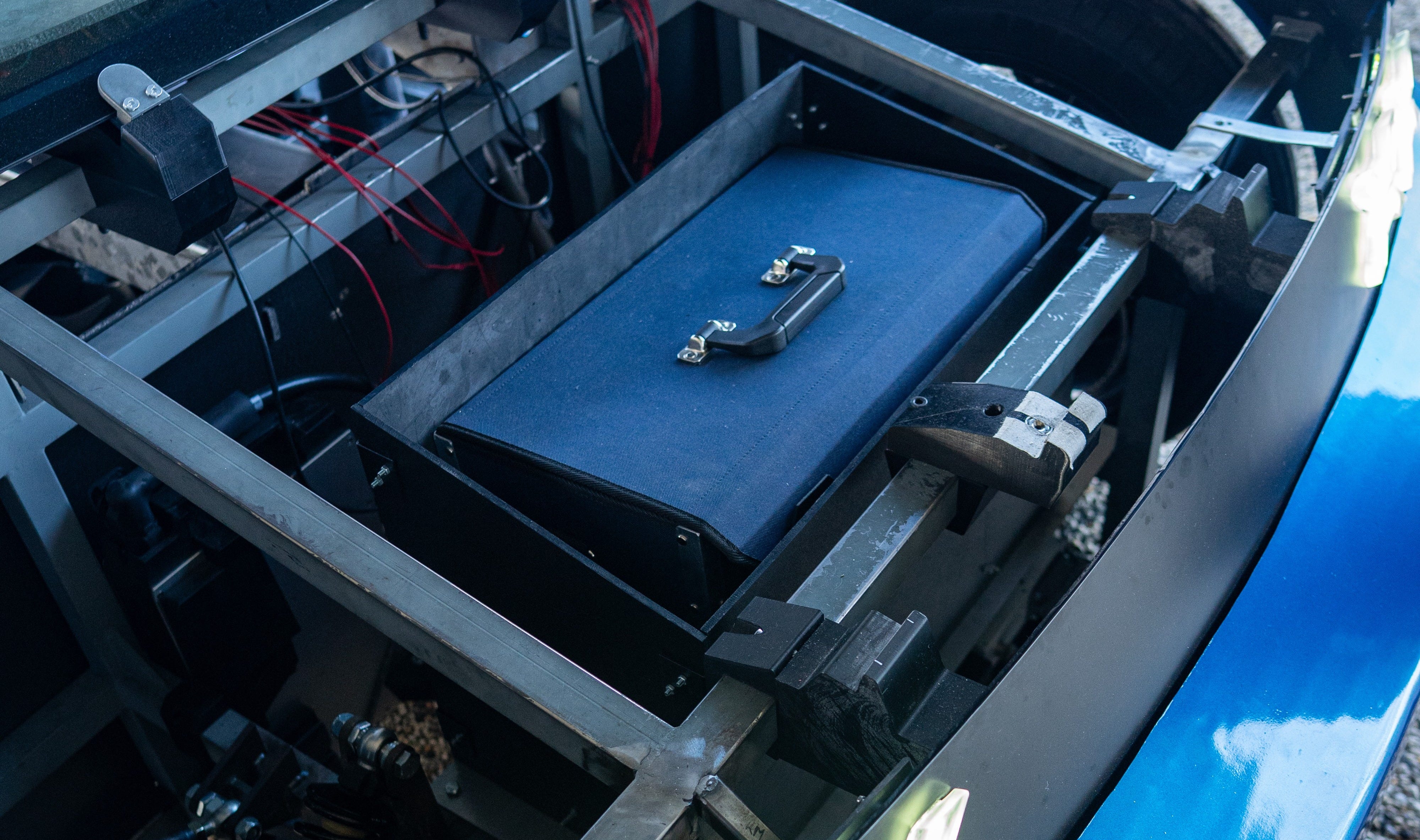
The fully electric prototype is made of panels that can click off, six modular and fully removable batteries which is almost unheard of in the industry, and deliberate design that puts the power and control back in the hands of the people. Their ultimate goal is to inspire the EU’s Right to Repair legislation to move beyond just tech and appliances to include vehicles as well, while reducing waste and saving us money.
And I mean, better public transportation is the best solution for getting us around, but maybe if you need a car then the future will be this model of modularity and self repair?
2. They’re 3D printing surfboards
When a surfer fell off his board which slammed into rocks and got damaged, he realized how much of the inner foam pollutes the ocean he relies on and loves, so he set out to create a 3D printed alternative made from plants.
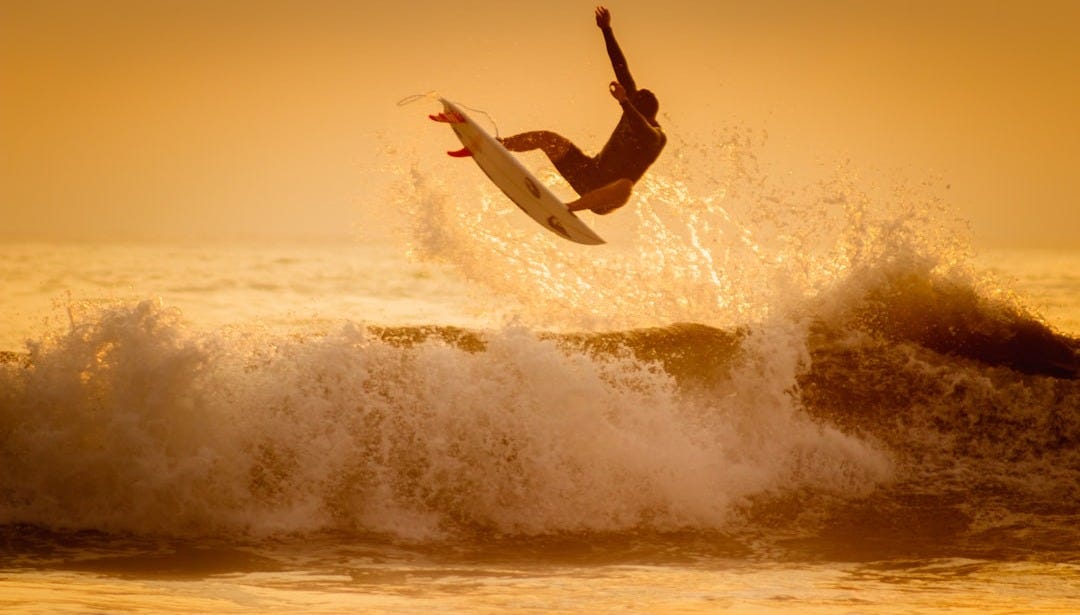
Patricio Guerrero grew up surfing in California and was fascinated with 3D printing since he was a kid, so he decided to combine his interests and create a better surfboard. Teaming up with college friends Nathan and Pol to create Swellcycle, he first experimented with melting down trays and hospital packaging to feed into a 3D printer, building the boards layer by layer, unlike the traditional process of shaving down and sanding a big block of oil-based polyurethane plastic that breaks down into microplastics and wastes about 40% of the starting material while shaping.
But while the 3D printing made the right shape, the real trick was to make it perform well. So after hours of testing, demo days, enlisting the help of professionals, and switching materials to a bioplastic made of corn starch and sugarcane, they’ve been able to make the boards lighter, stronger, and better. And best of all, instead of tossing away the boards to sit in a landfill, these can be ground up and used to make new products in a circular model that avoids waste.
1. Our community took action
🥫 hello.ickyniki started volunteering at a soup kitchen and has met a bunch of wonderful likeminded people in the process.
🏃 arte_y_locuras has been running a 5K every few weeks to benefit causes helping children in need.
🍝 isilzha579’s area has a local group giving out hot meals and gently used clothes and necessities every two weeks.
+ Bonus stories worth checking out
🦫 Four rescued capybaras are in the middle of a public naming competition (and we can all vote)!
🚶 A group of monks and their rescued dog Aloka are walking from Fort Worth, Texas to Washington, D.C. in the Walk for Peace.
📰 The Guardian’s Young Country Diary series is open for submissions, where children aged 8-14 can get their short nature stories published!
This newsletter was written by Jacob Simon. Over 1 million people are in our community across Instagram, TikTok, and YouTube. You can say hi on LinkedIn, or by hitting reply. Brand illustration by Andrea Miralles. Thanks for helping spread some positivity, and see you next week for more.