


Hey fam,
This week I learned about a guy who’s catching microplastics from our clothes before they enter the water.
His name is Adam Root, and he was a mechanical engineer until he went scuba diving one day which awakened him to our massive ocean pollution problem and all the beauty worth saving down there.
So he quit his job to figure out a way to help, using a £250 (or $335) investment to make a filter by hand while tinkering with an old washing machine in his garage, aiming to stop the 35% of ocean microplastics that come from textiles.

Since the majority of our clothes are made from fossil fuel-based plastics called polyester, nylon, and acrylic that are grated as washing machines spin, tiny plastic fibers get sent to our waterways, drinking water, and food.
So after plenty of experimenting and spraying water all over the place, Adam created a filter that can go in home washers, textile factories, and wastewater treatment plants to capture 97% of those microfibers. It uses a very fine mesh that rinses itself after each wash to clear the surface and store whatever is caught.
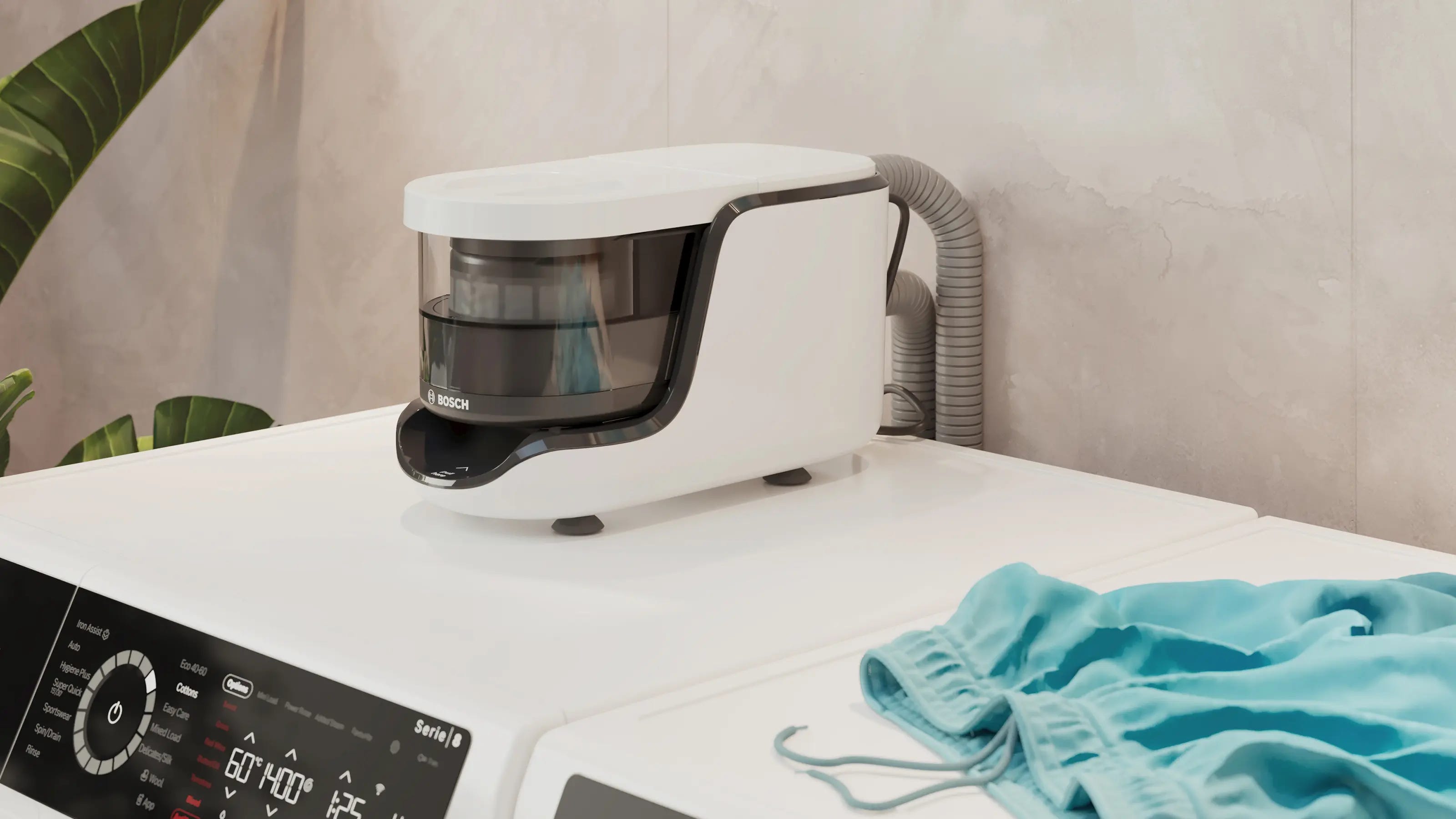
The idea seems to be working, ending up as a finalist for the Earthshot Prize, and now teaming up with big names like Bosch to make more of these filters. Yet not all microfibers come from washing, so fully addressing plastic pollution means moving away from synthetics into natural fibers, adopting the global plastics treaty, and consuming less.
What do you think about filters like these?
(Matter Industries Website | Matter Instagram | Earthshot Prize | The Guardian coverage | Bosch Consumer Product Site | Plastic Leakage study)
What else is going right in the world
31 marvelous new species
31 new species were discovered in the largest yet least explored habitat on Earth, but only because of incredible new tech.
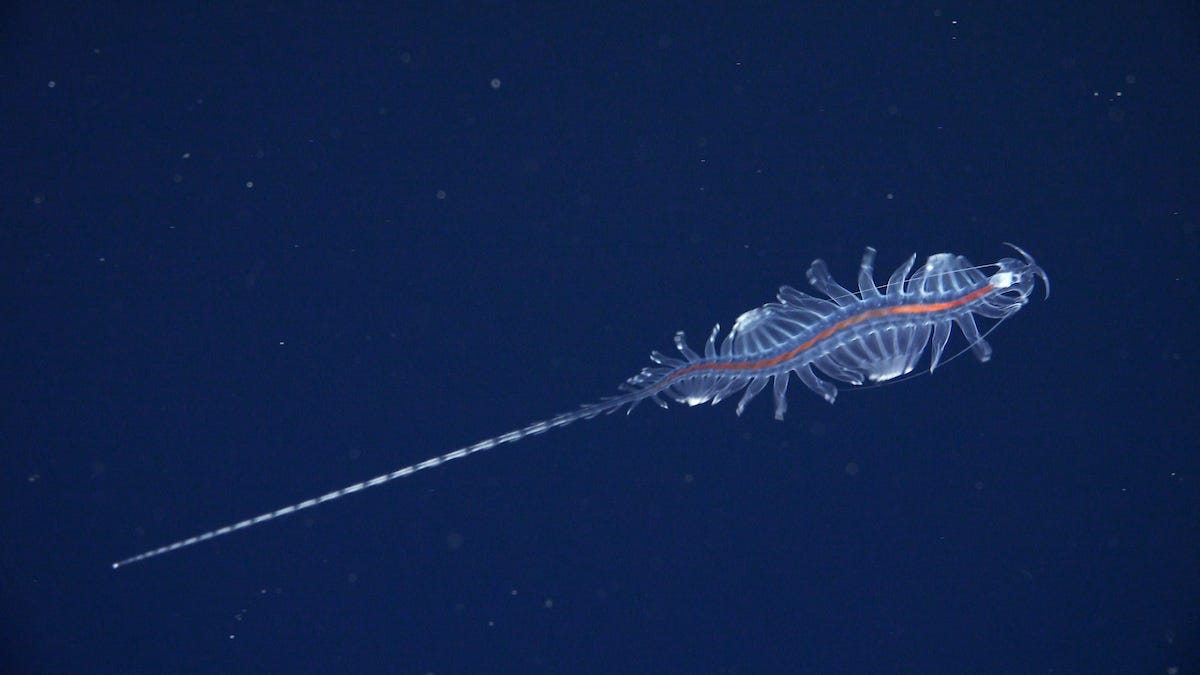
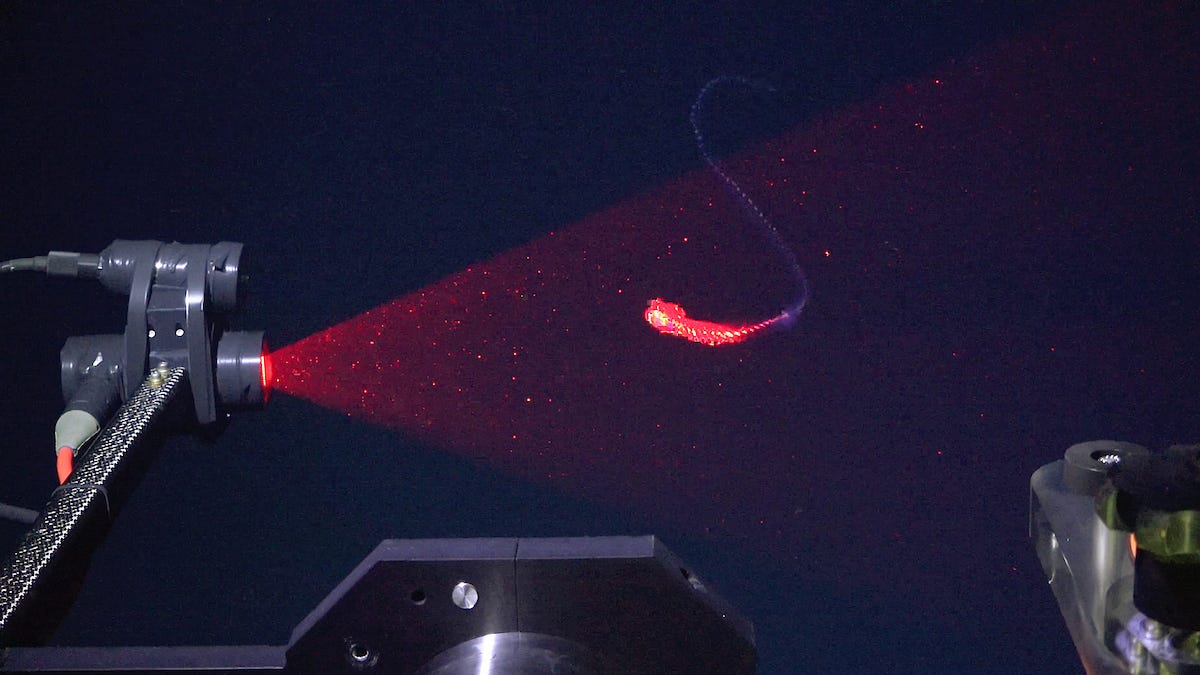
The international team of explorers spent two weeks off the coast of Brazil in the ocean’s midwater, which is sandwiched in between the dark ocean floor and the upper layer lit by the sun. But since it takes decades for scientists to identify and describe a species, they brought advanced technologies onto the ship including non-invasive lasers to scan and create a 3D images, cameras to capture tiny details, gravity machines that imitate endless water columns, and an open-source microscope that captures internal cellular structures, all to describe the species without having to collect them.
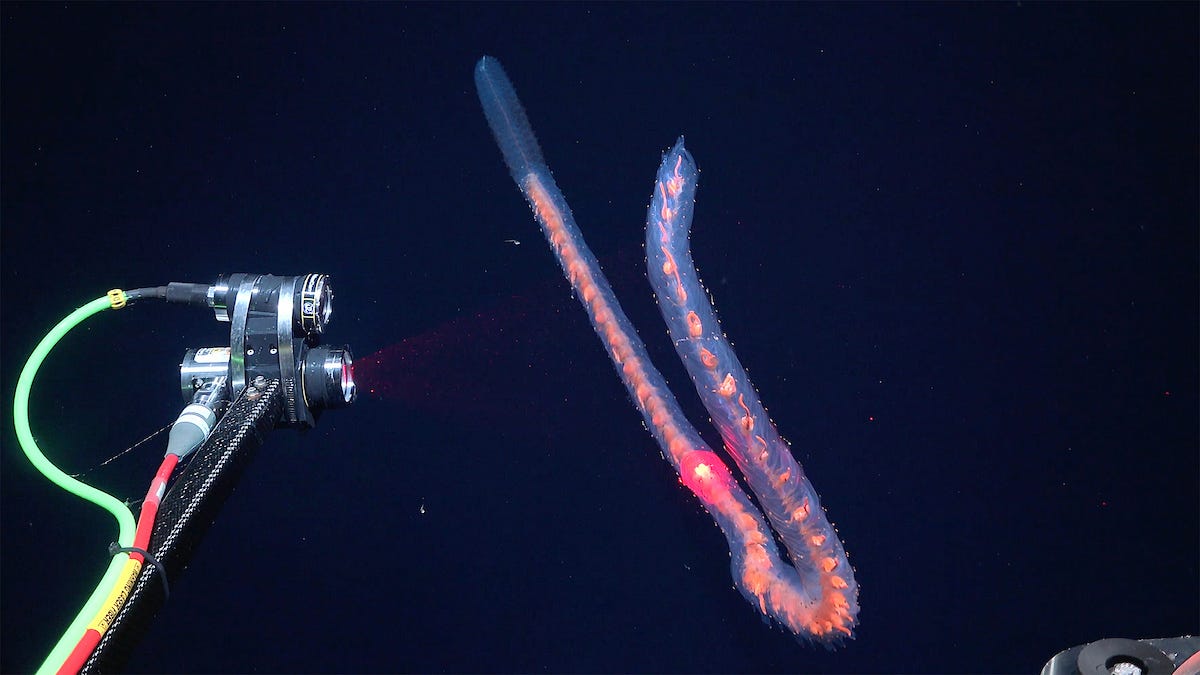
They even sequenced genomes onboard the Schmidt Ocean Institute’s Falkor (too) research vessel to identify new species pretty much right away, finding a crustacean called an ampiphod, a mesmerizing and speedy gossamer worm, nine jellyfish, seven jellyfish-related siphonophores, seven glittering comb jellies, four tadpole-like larvaceans, and two giant rhizarians which are single-celled organisms so big we can see them with the naked eye.
Imagine what would happen if our smartest people focused more on technology like this to better understand and respect the planet… perhaps the solarpunk future of marine biology uncovers ocean life without negatively impacting it, so we can all learn, appreciate, and take care of it?
Finally, an AI slop button

A “seems like AI slop” button was added to LinkedIn, letting users report low-quality content generated by AI. They’ve become the first major player to take this action in an effort to reduce the amount of AI spam posts on the platform, hopefully inspiring other platforms to follow their lead and prioritize human-made content. (Hari Srinivasan|LinkedIn)
New record-breaking sun pics just dropped

The highest resolution images ever taken of the sun’s surface were captured by a telescope in Hawaii in pictures that are equivalent to seeing ants crawling along the ground from 100 miles away. Aside from being stunning, they show dynamic whirlpools of plasma swirling around in a major breakthrough for solar physics and understanding the universe. (Lee Billings|Scientific American)
Data center backlash gains ground

The data center backlash has been so strong that Texas has paused approvals until an audit can be completed to see how they’ll impact the state’s power grid, signaling that communities voicing their opposition are breaking through when demanding that people be put ahead of profit. (Shelby Webb|E&E)
Our community took action
Tiffany from our community helped feed a family in need for two weeks, buying and delivering staple items to help their neighbors out.
Lightning round
🗽 NYC is adding 50,000 affordable homes.
⚡️ 54.1% of Spain’s power generation came from renewables last month, a new record.
🍍 This jet fuel is made from… fruit? (if paywalled)
👀 Welcome to the future, where we have self-healing contact lenses.
🏞️ South Sudan gets the latest UNESCO World Heritage Site.
🐟 Meet the record holder of the most aquatic animal tattoos on a female body (106).

This newsletter was written by Jacob Simon. Over 1.5 million people are in our community across Instagram, TikTok, and YouTube. You can say hi on LinkedIn, or by hitting reply. Brand illustration by Andrea Miralles. Thanks for helping spread some positivity, and see you next week for more.